
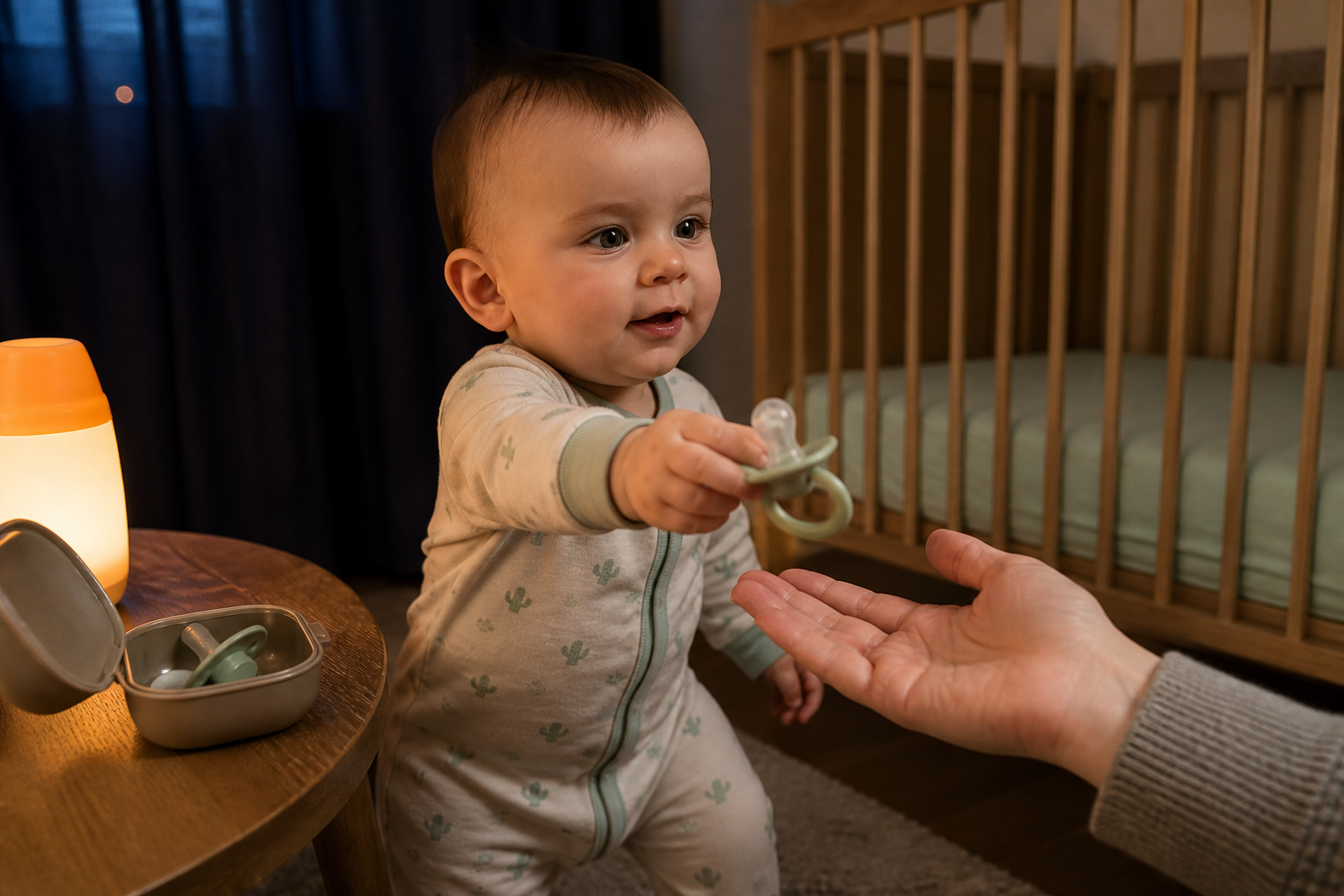
Why Does My Baby Share Their Pacifier With Me?
A baby may offer a pacifier as a social game. Learn how to answer warmly without sharing saliva, build a clean-spare routine, and keep pacifier use safe for sleep.
Learn about baby and toddler milestones, movement, speech, sensory development, emotions, social skills, habits, and challenging behavior. These guides explain the range of typical development, offer supportive ways to respond, and identify patterns that may be worth discussing with a pediatric or developmental professional.
A baby may offer a pacifier as a social game. Learn how to answer warmly without sharing saliva, build a clean-spare routine, and keep pacifier use safe for sleep.

A favorite blanket can be a normal comfort attachment. Learn the first-year bare-crib rule, what to do tonight, and when the attachment’s function deserves a closer look.
A calm whole-child guide to six-month movement, communication, play and social development, including normal variability and when to ask for help.
Five-month development often looks like connected curiosity: steadier movement, reaching hands, new sounds and social back-and-forth, with wide normal variation.
A calm, whole-child guide to eight-month movement, communication, play and social development, including normal variability and when to ask for help.
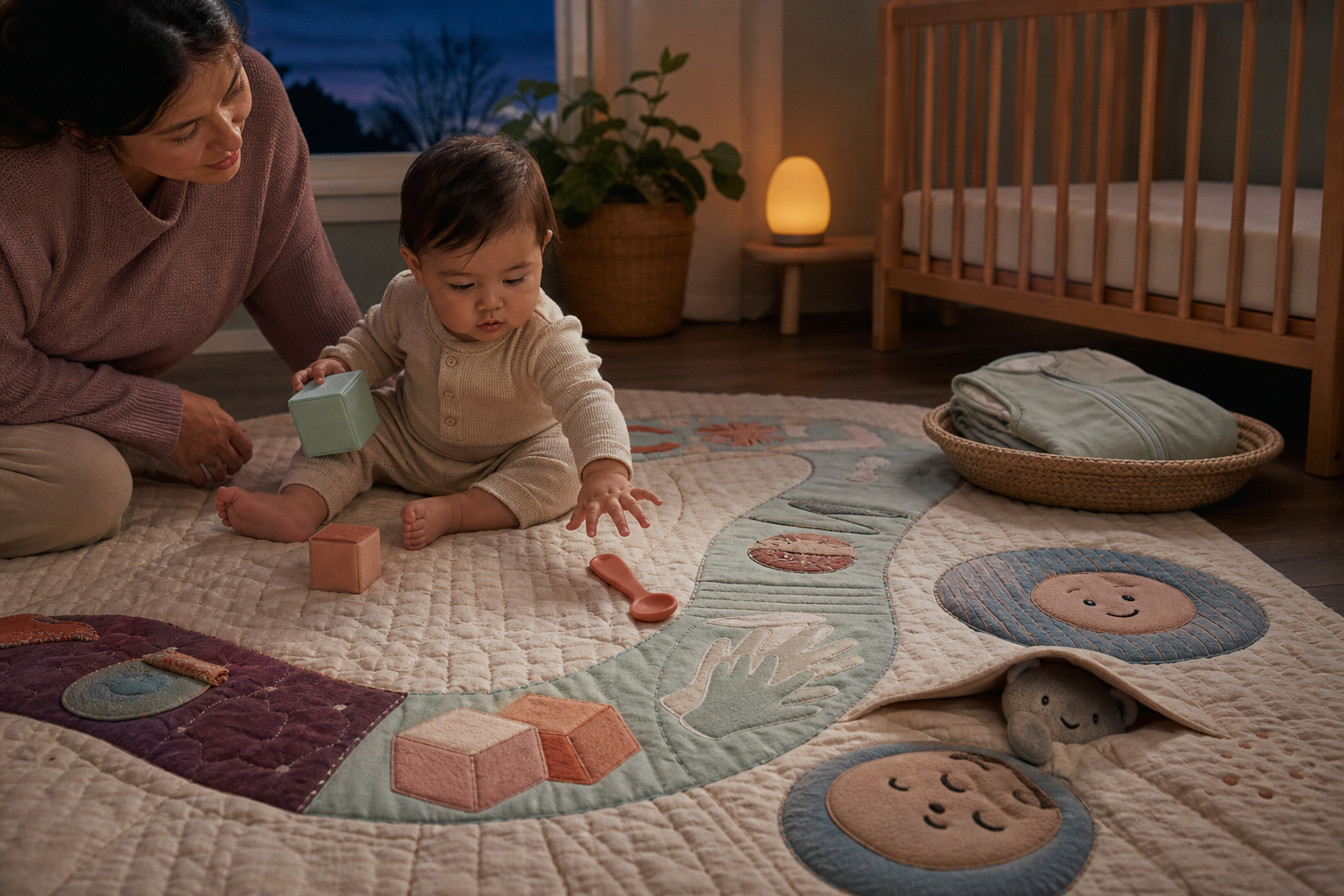
Nine-month-old milestones often appear across movement, communication, play and social connection—not on one exact timetable. See what to notice, how to encourage skills and when to ask for help.
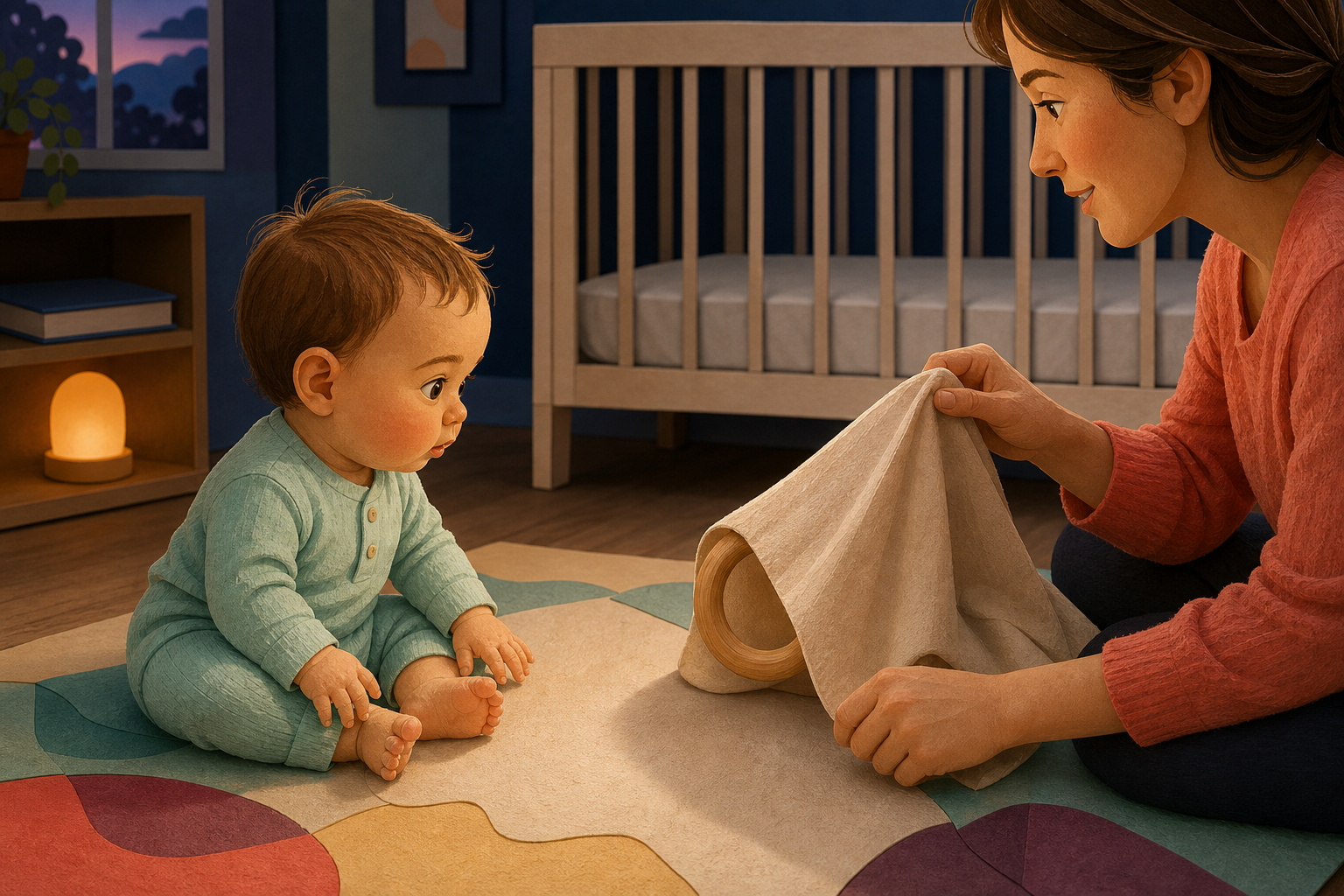
Object permanence develops gradually. See when babies begin searching, safe games to try, what peekaboo teaches, and when to ask the pediatrician.

Potty fear may come from pain, withholding, noise, balance, pressure, or change. Learn gentle next steps and the signs that need pediatric help.
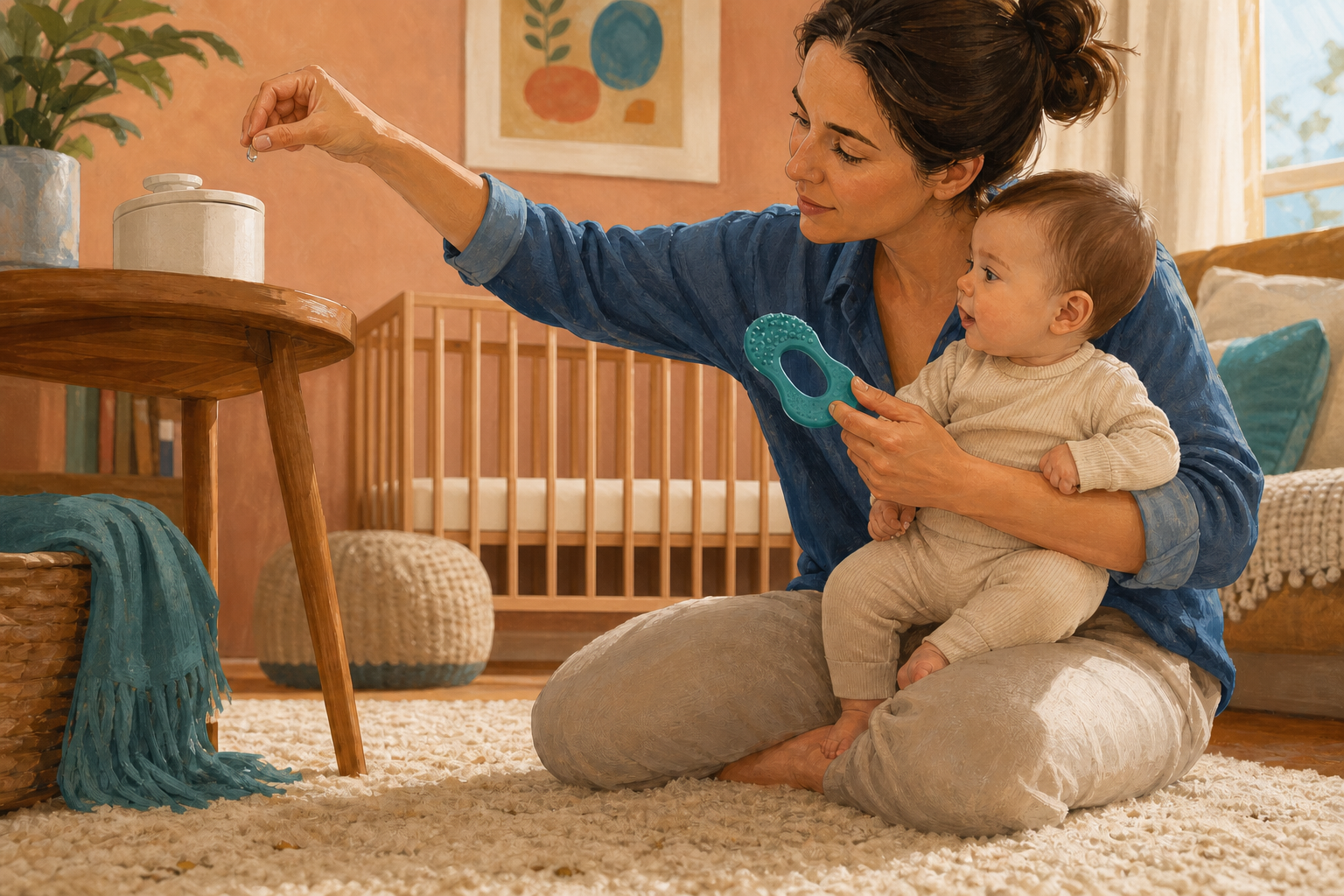
Mouthing is normal exploration, but choking, batteries, magnets, and possible swallowing need fast action. Learn what to do and how to make your baby’s reach safer.

FAFO parenting and gentle parenting are internet labels, not rulebooks. Here is how warm, firm limits and safe consequences change what happens at bedtime.