Baby Pinches When Falling Asleep? A Gentle-Hands Reset
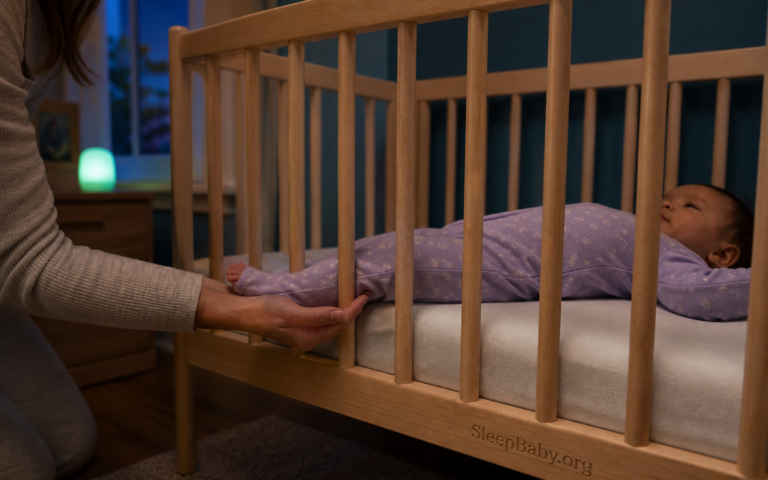
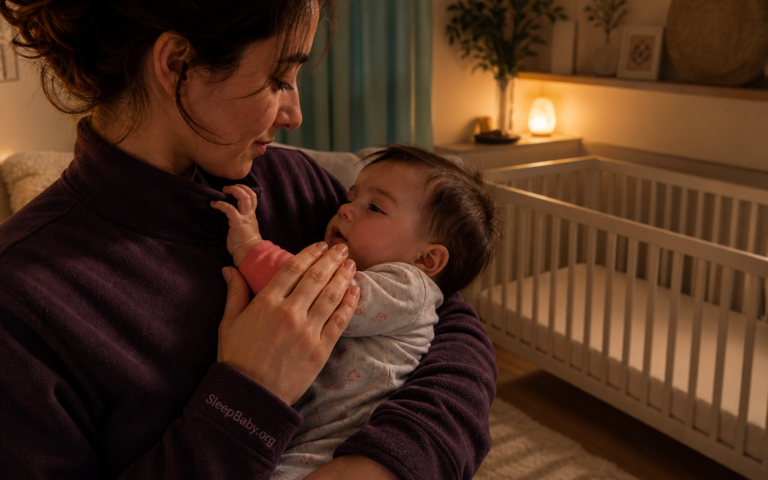
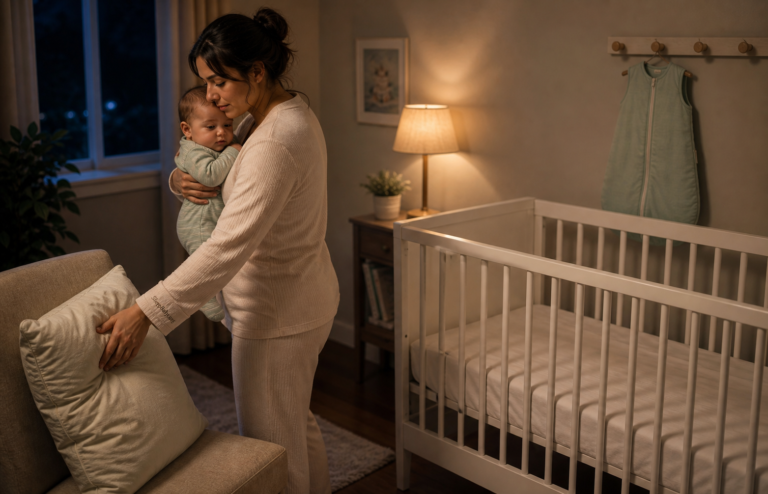
Your baby is almost asleep, their breathing has finally slowed, and then one tiny hand finds the same square inch of your neck again. The pinch is astonishingly precise. You are…
Read guideThe SleepBaby blog
Baby won’t settle? Naps keep shifting? Start with the question in front of you.
1,050 guides
Your baby is almost asleep, their breathing has finally slowed, and then one tiny hand finds the same square inch of your neck again. The pinch is astonishingly precise. You are…
Read guide
A baby should not nap with any bib on. Remove it now, check breathing and color, then complete the handoff to a bare, flat infant sleep space.
Read guide
The answer you need before the next transfer If your baby likes to sleep on a pillow, remove it for every sleep during the first year You can see the little…
Read guide
If your baby will sleep only in your arms, use the Safe-Closeness Bridge to protect adult alertness, keep comfort, and make one safer bassinet landing.
Read guide
Free the foot gently, check for injury, inspect the exact crib, and keep the sleep space bare—without bumpers, liners, or improvised padding.
Read guide
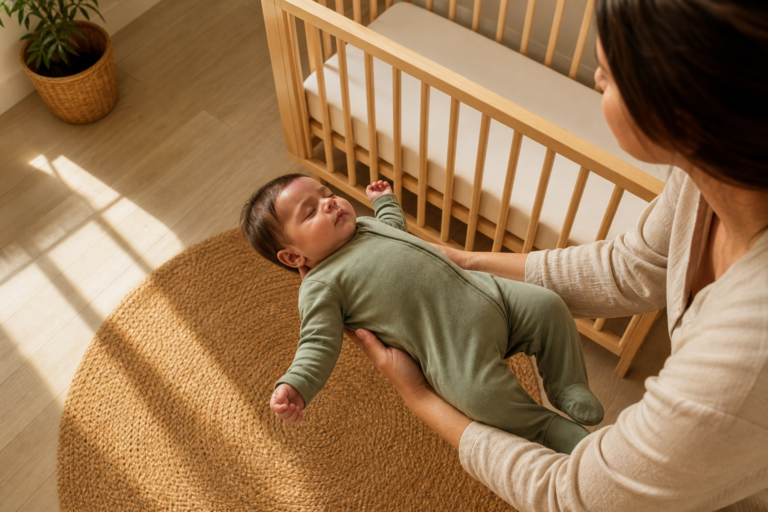
Learn when an ordinary floor-play doze needs a calm transfer, when sleepiness after a fall needs urgent care, and how to prepare the next safe infant sleep space.
Read guide
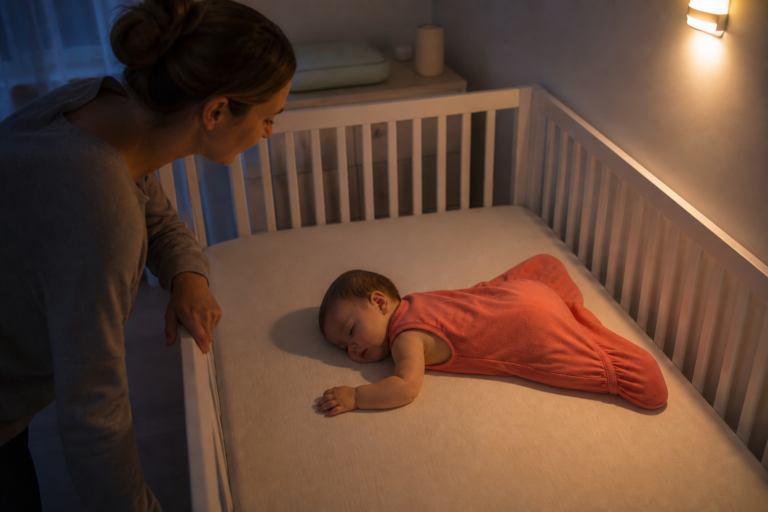
If your baby falls asleep on his tummy, check breathing first, separate caregiver placement from independent rolling, and keep every sleep back-first, firm, flat, and bare.
Read guide
A baby fell asleep in the car before bedtime? Park first, transfer safely, read the doze, choose one calm bedtime path, and reset gently tomorrow.
Read guide
The quiet answer first If your baby fell asleep and did not burp, you usually do not need to wake them If your baby is breathing normally, looks comfortable, and has…
Read guide
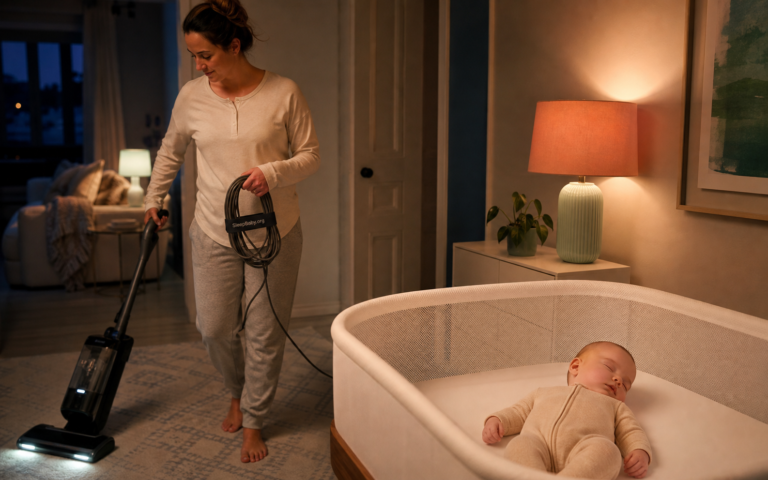
Vacuum noise can mask sudden sounds and become familiar. Keep the useful cue while lowering exposure, protecting safe sleep, and replacing the appliance.
Read guide
Build a flexible 22-month-old sleep schedule from actual sleep, one midday nap, three household clocks, and one careful change at a time.
Read guide
Sleep trouble alone cannot diagnose autism. Use a health-first, safe-sleep plan to separate urgent concerns, sensory clues, schedule friction, and the next pediatric conversation.
Read guide