
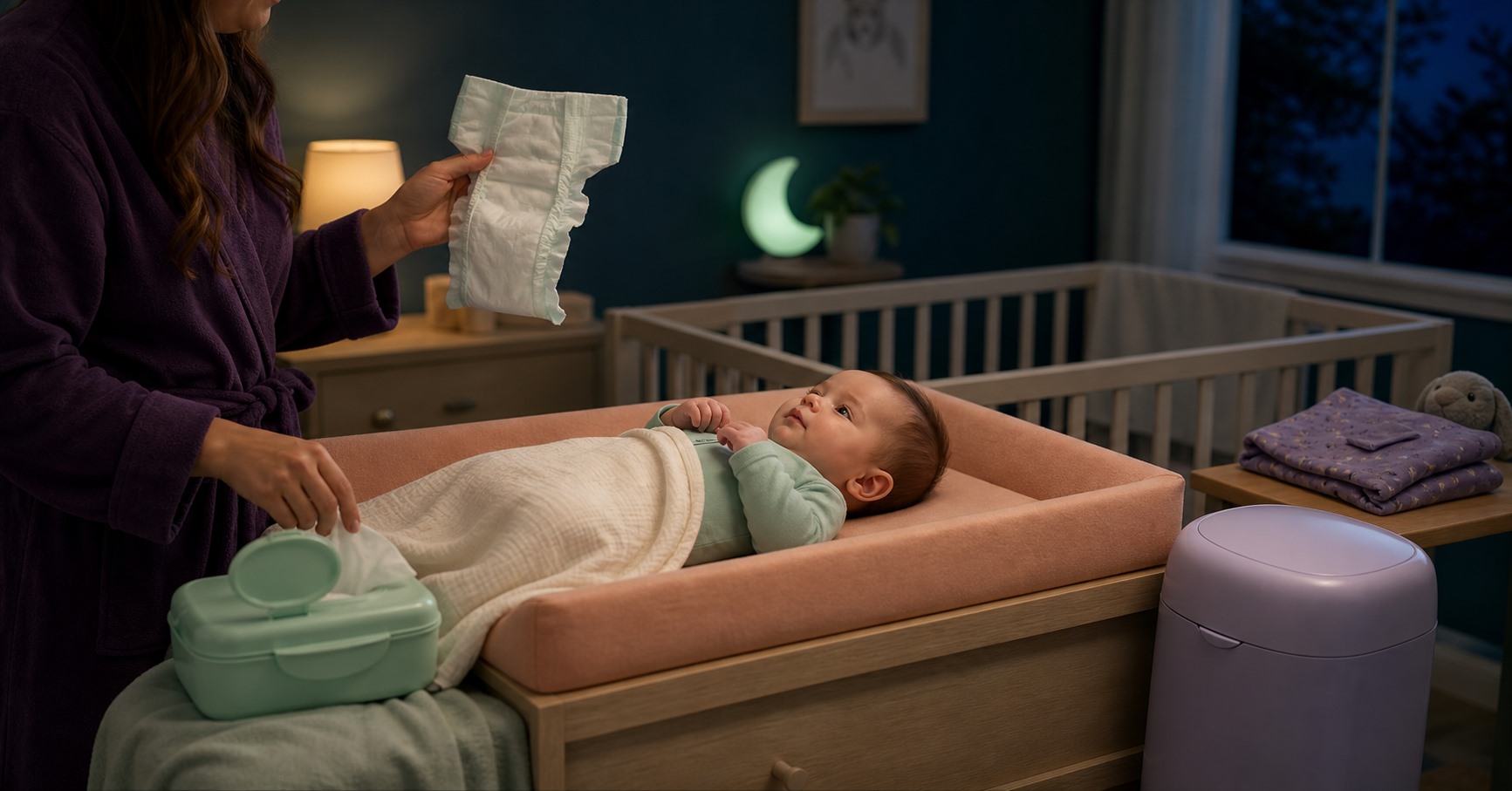
Baby Wakes Up to Poop: What to Do Tonight
Change the diaper promptly, keep the response calm, compare stool with your baby’s baseline, and know which symptoms need a clinician.
Change the diaper promptly, keep the response calm, compare stool with your baby’s baseline, and know which symptoms need a clinician.
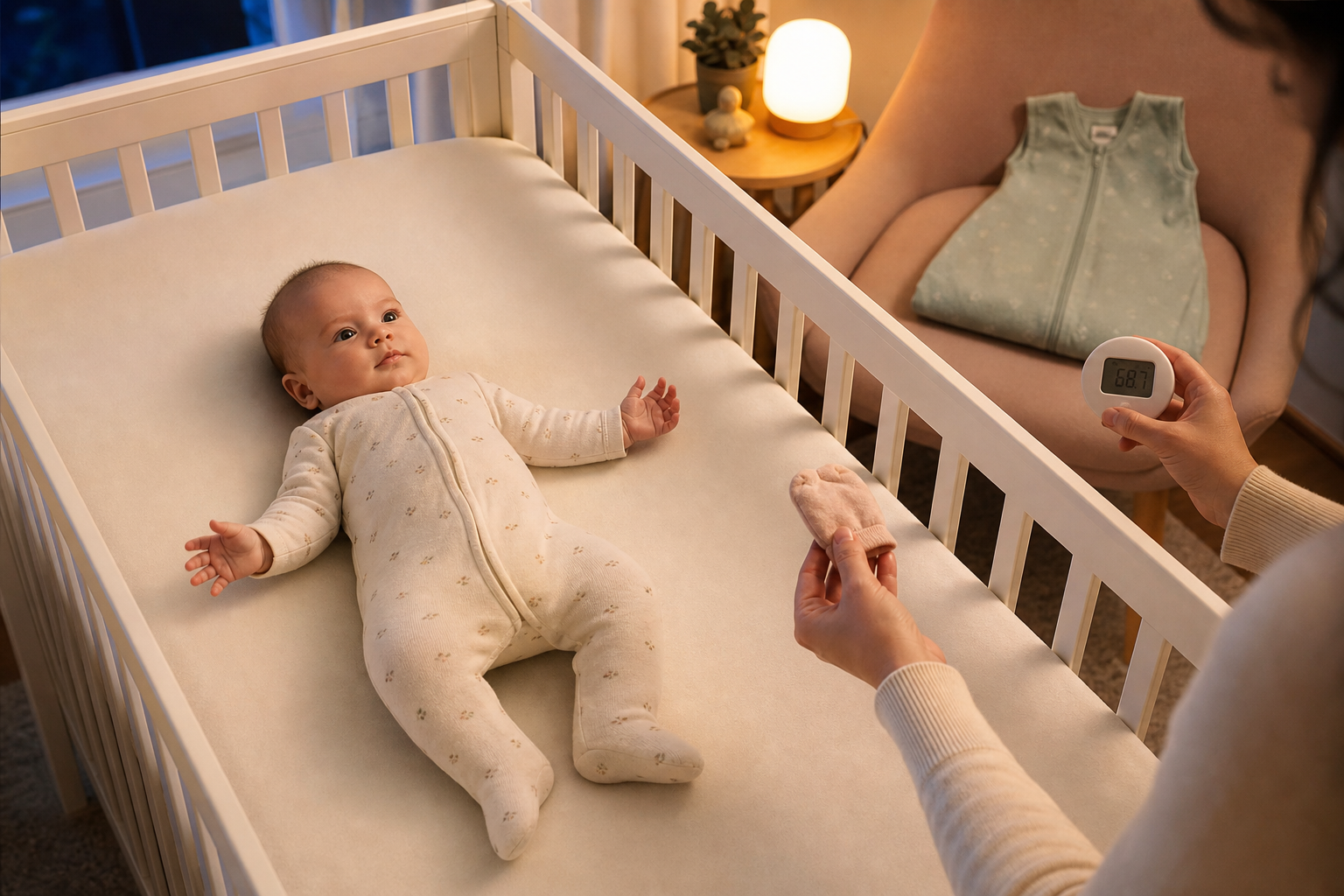
Most babies do not need mittens for sleep. Learn when a mitten is too loose, how to check warmth and fit, and safer ways to handle scratches.
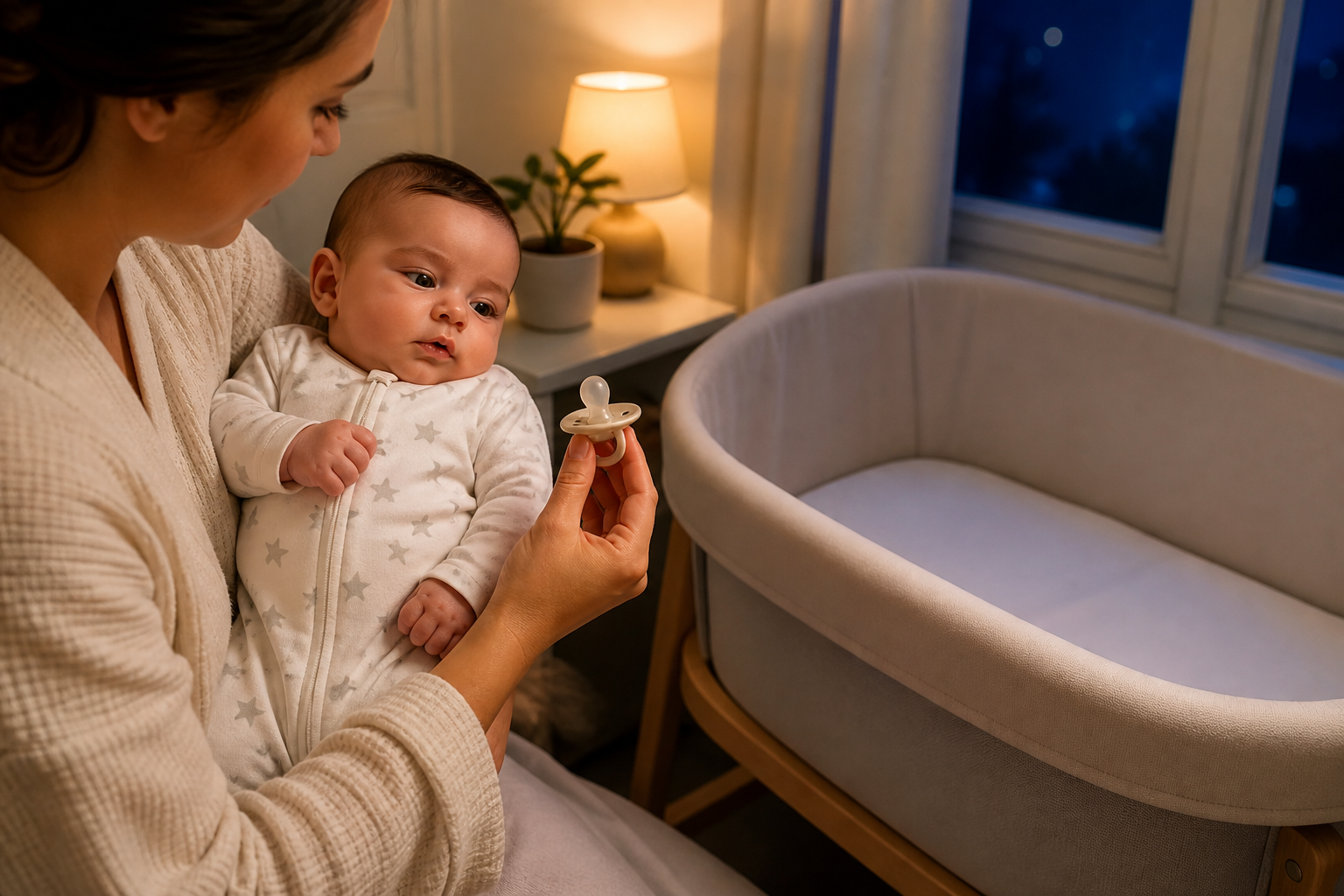
Yes, a baby can sleep with a clean, intact, standalone dummy. Learn safe-sleep rules, newborn feeding timing, what to do when it falls out, and when feeding comes first.
A bright-eyed middle-of-the-night waking may be a split night. Keep the response dark and boring, audit three nights, then change one variable.
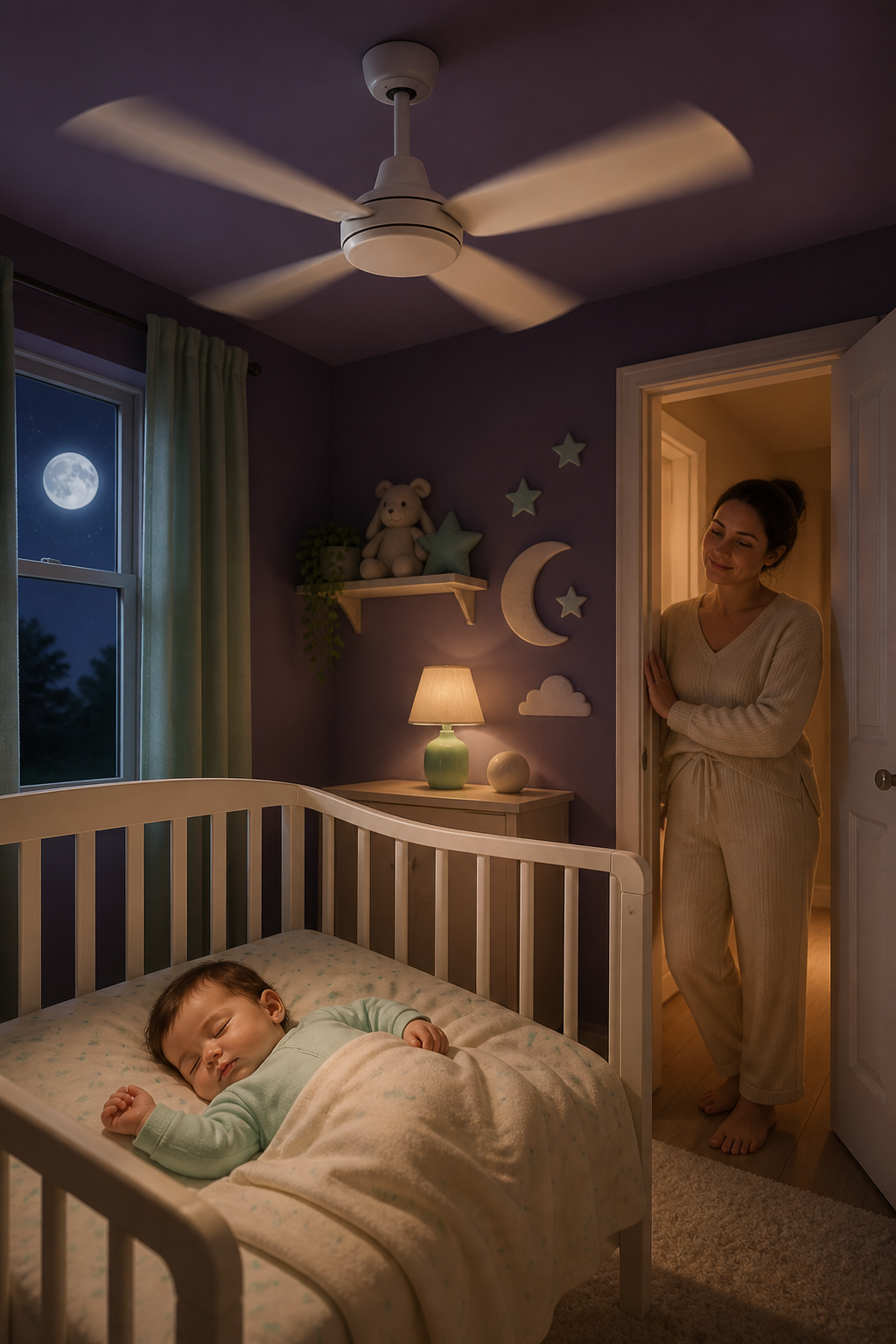
A ceiling fan can support room comfort while your baby sleeps, but it does not replace safe sleep. Learn what to check, when to adjust it, and when to turn it off.

A symmetric frog-like leg posture is usually normal during safe back sleep. Learn what to leave alone, what to observe awake, and when to call.
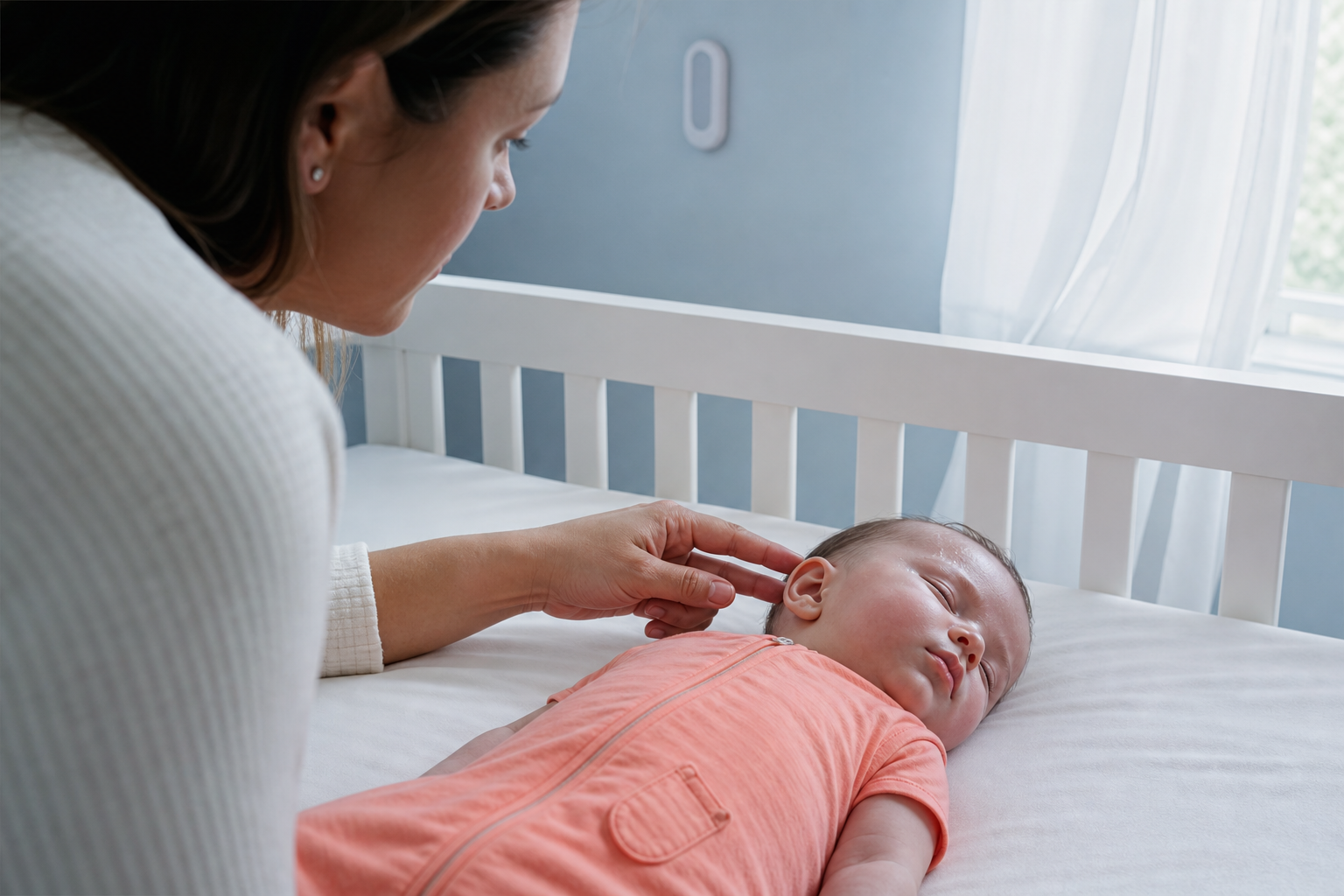
Learn what to check when your baby sweats during sleep, how to separate room warmth from fever, which safe adjustment to try, and when to call the pediatrician.
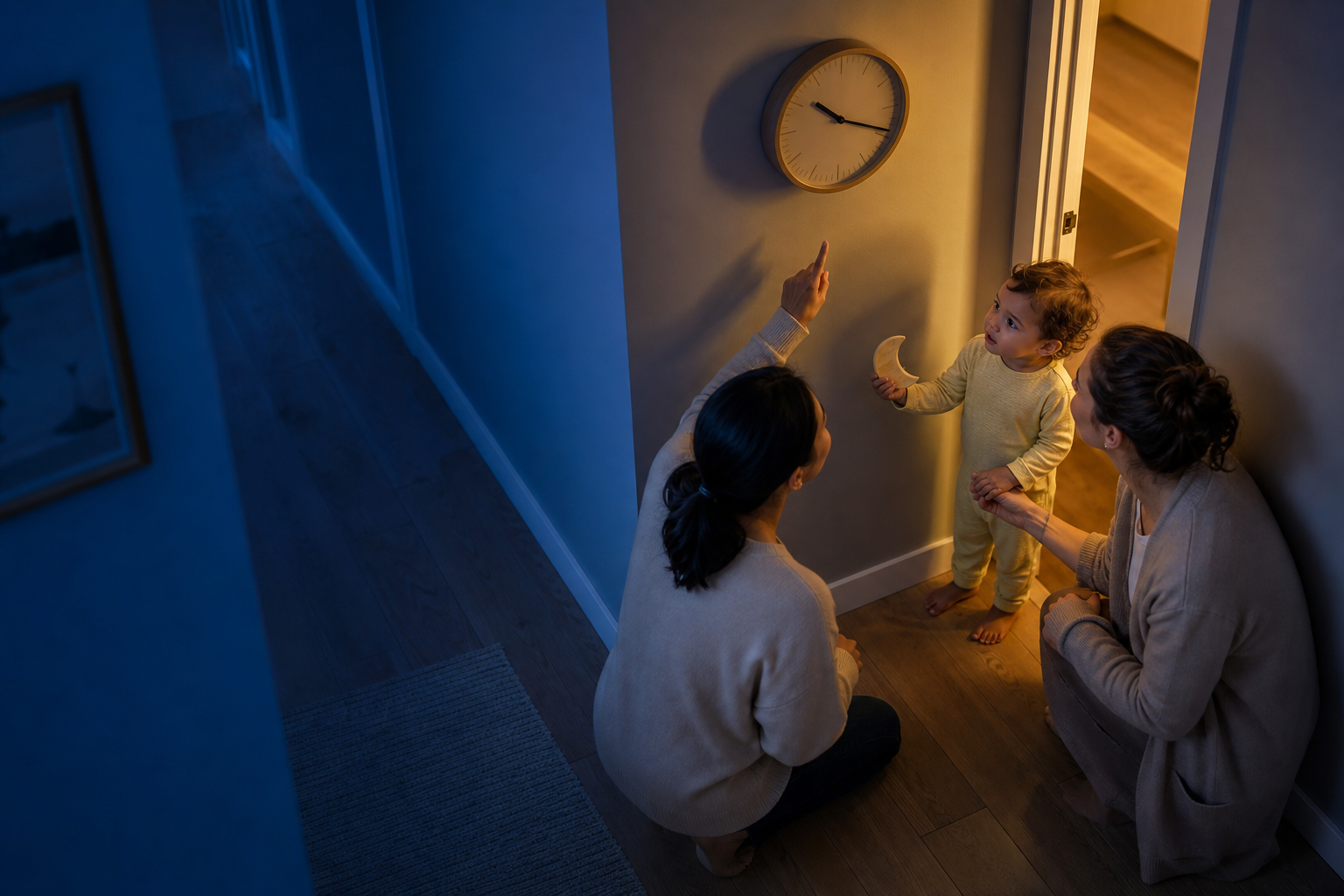
A practical 20-month-old sleep schedule usually uses one midday nap and three steady anchors. Learn the sleep-budget math and adjust one variable at a time.
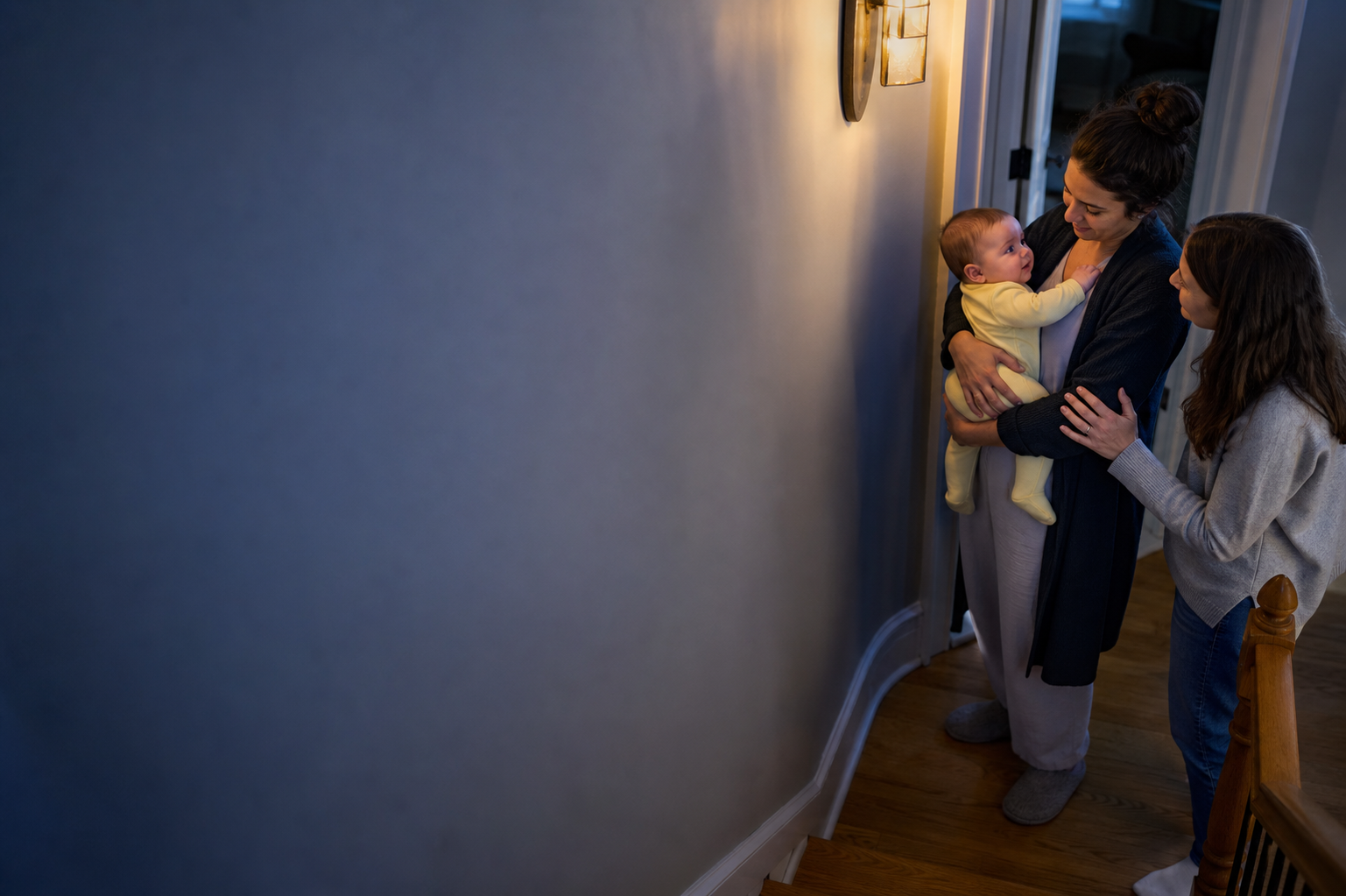
Continued crying does not automatically mean sleep training failed. Learn how to read the whole pattern, adjust one variable, and know when to pause and call the pediatrician.
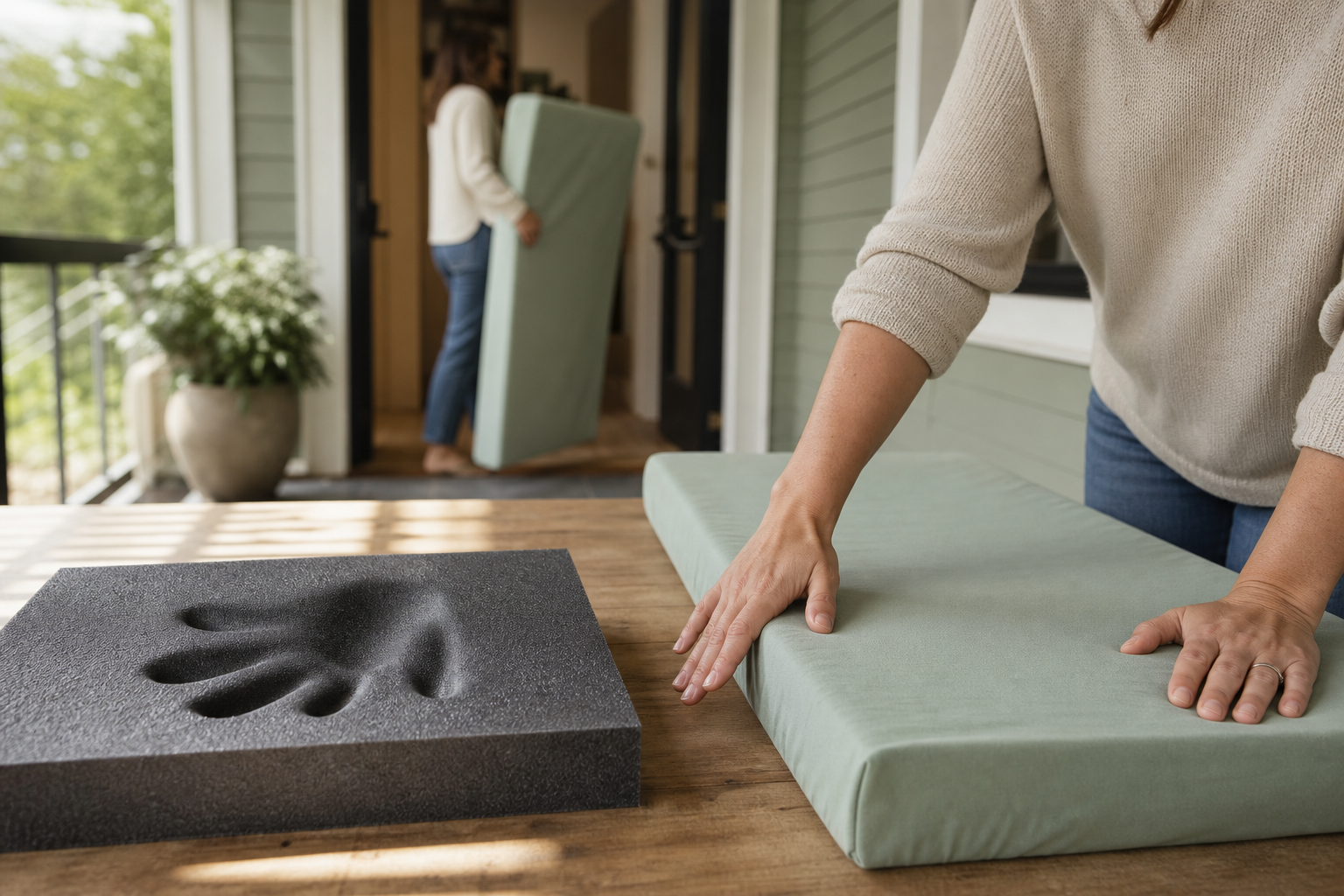
Move a baby from soft memory foam to the correct firm, flat infant sleep surface. Learn how to identify the sleep space, verify mattress fit, and remove unsafe added layers.