What Is Active Sleep in Babies? Why They Laugh, Cry, and Twitch
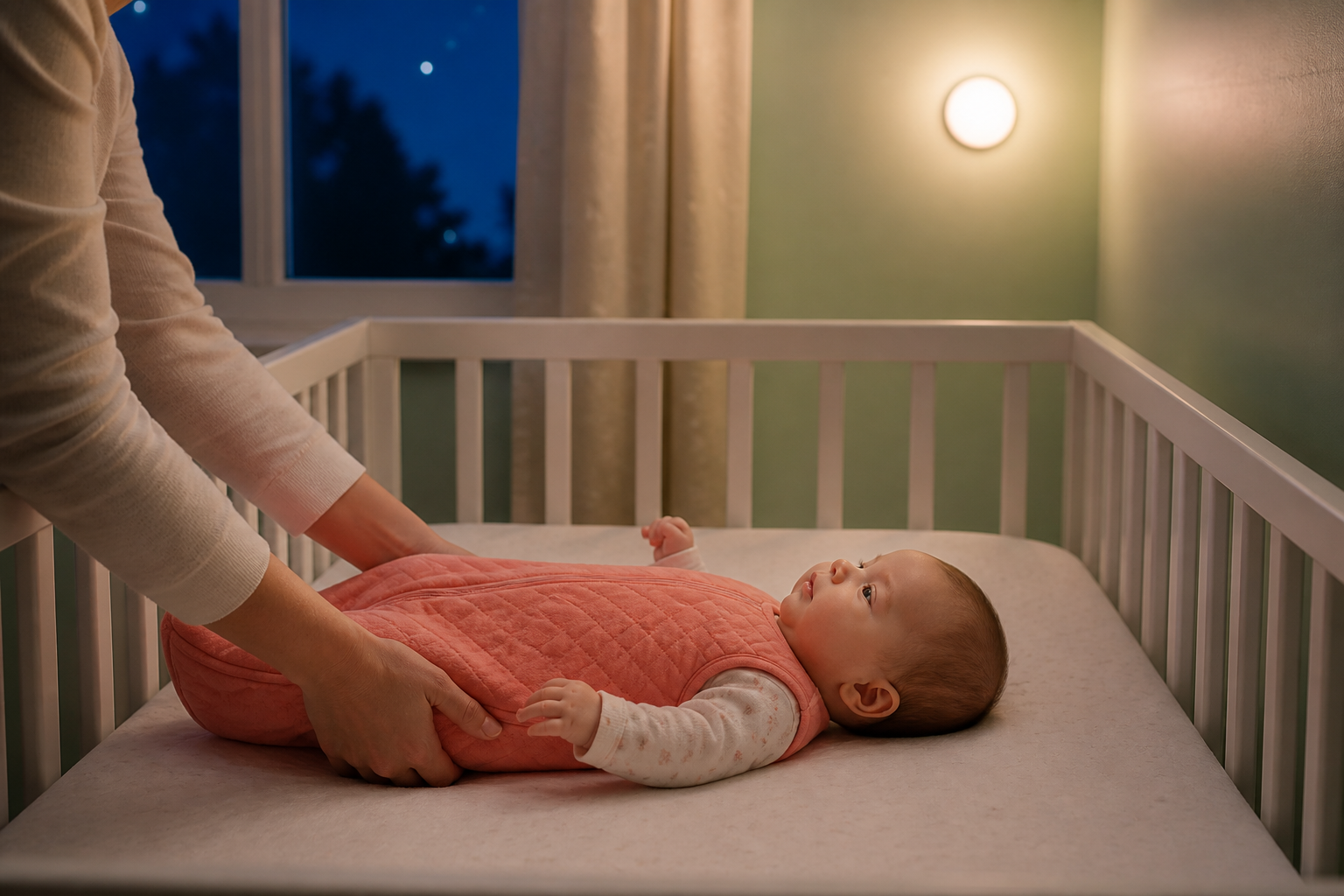
Active sleep can bring fluttering eyes, smiles, twitches, squeaks, and brief cries. Learn what to watch, when to wait, and which signs need help.
Read the guideSleepBaby.org parent library
Clear, reassuring guides for the questions parents search at 2 a.m., plus a simple next step when bedtime still feels impossible.
See the complete step-by-step plan we recommend for exhausted parents.
Open the sleep-help experienceBrowse the library
Latest guidance
Active sleep can bring fluttering eyes, smiles, twitches, squeaks, and brief cries. Learn what to watch, when to wait, and which signs need help.
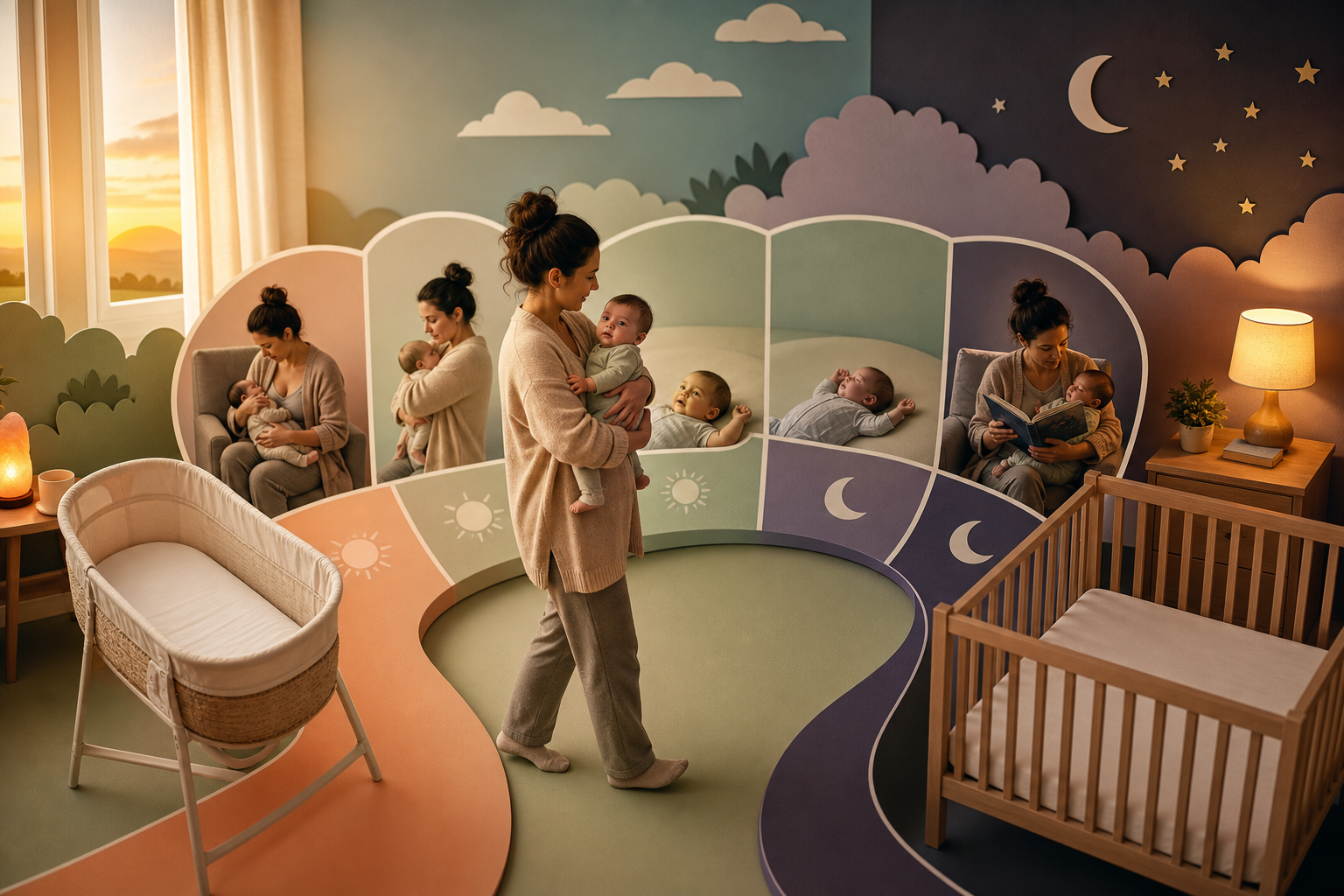
Read the guideYes, babies can develop more organized sleep without formal sleep training. Learn what changes naturally, how to help gently, and when another approach may fit.
Read the guideBuild a flexible baby sleep schedule through the first year with age-banded rhythms, changing naps, feeding and safe-sleep boundaries.
Read the guideA practical baby jet-lag reset using local daylight, responsive feeds, protected naps, calm nights, safe sleep, and realistic day-by-day expectations.
Read the guideBabies sleep so much because early development uses sleep across the whole day. Learn how to read age range, baseline, waking function and sudden change safely.
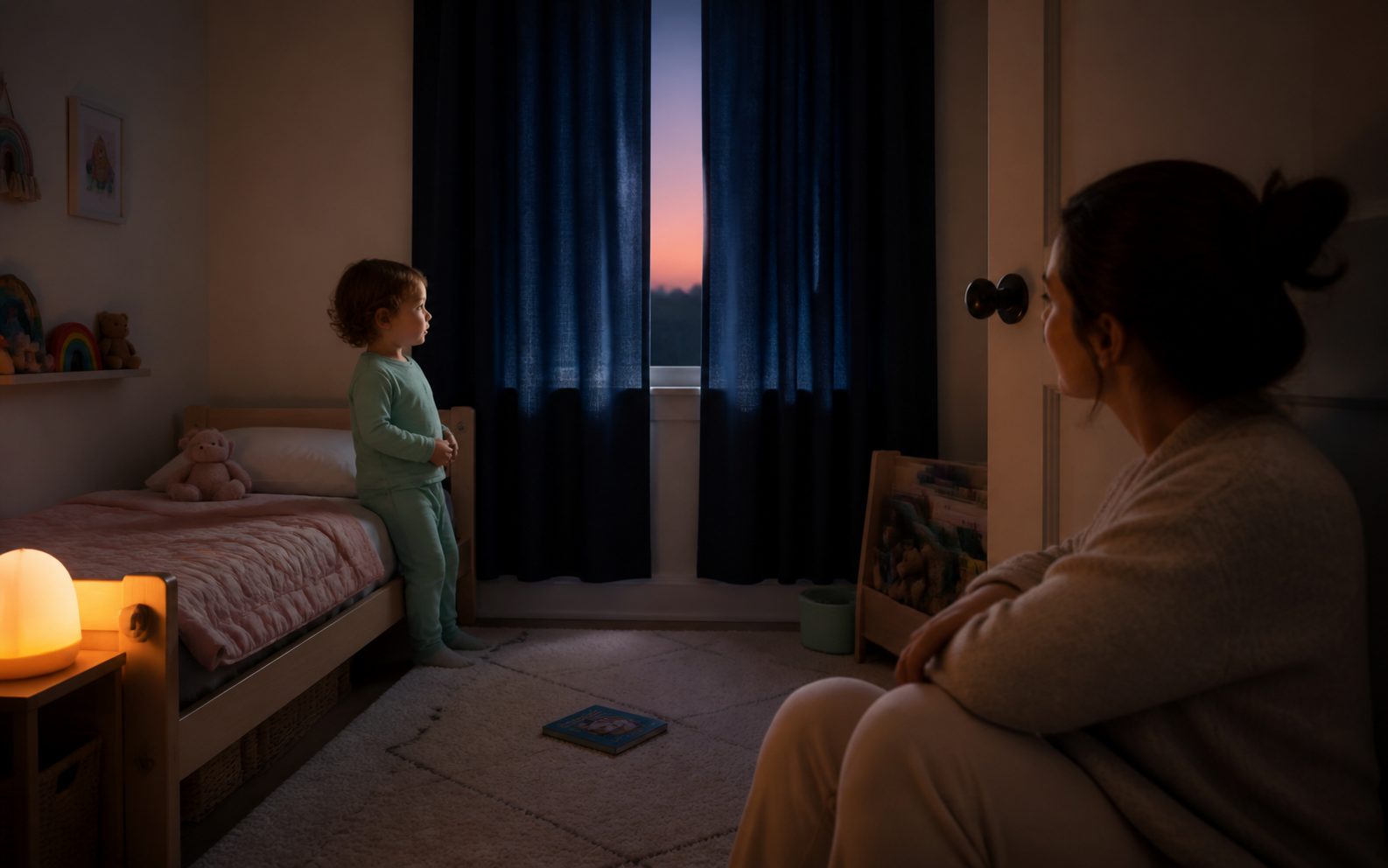
Read the guideA too-early wake is easier to read when the room still looks and feels like nighttime. The clock says 4:47 a.m. Your toddler says, with the confidence of…
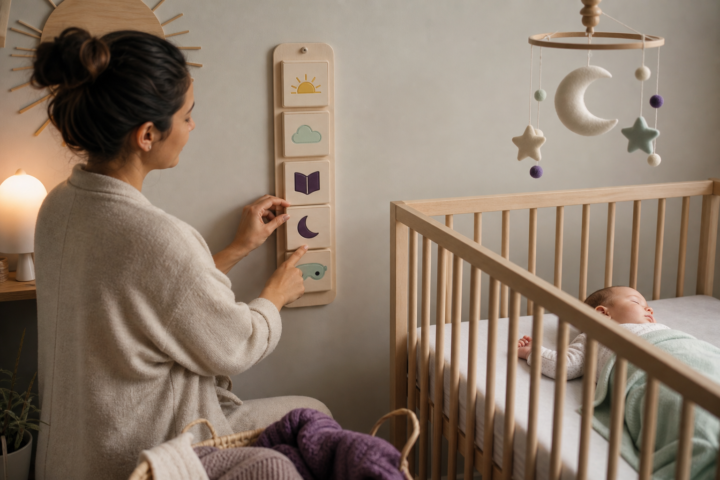
Read the guideAdjust an existing baby sleep schedule with two steady anchors, one small timing change, and practical plans for naps, daycare, travel and daylight saving time.
Read the guideहिंदी में सुरक्षित, व्यावहारिक baby sleep guide—newborn sleep, feeding, routine, night waking और सही समय पर medical help के लिए।
Read the guideAt two months, regression-like sleep is often normal young-infant variability. Check feeding, illness, comfort, corrected age, and safe sleep before changing the routine.
Read the guideA 19-month sleep regression is a label, not a diagnosis. Find the broken bedtime handoff, rule out health concerns, and test one calm change.
Read the guide