Baby Sleep
Wake Window Anxiety: Your Baby Is Not a Stopwatch
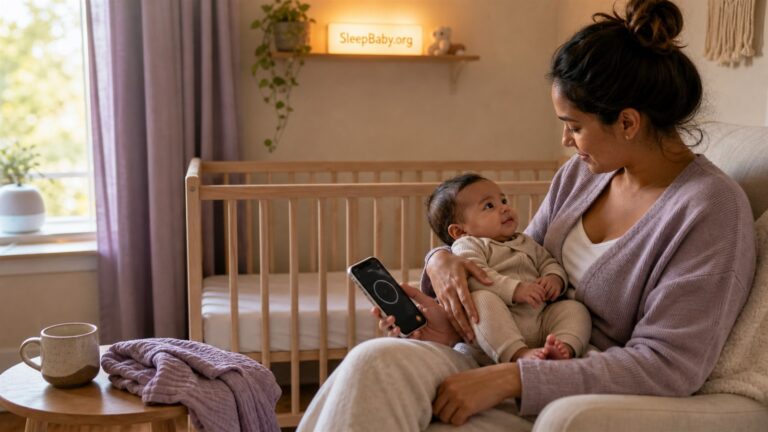
Wake windows are planning ranges, not sleep deadlines. Use your baby's signals, recent sleep, and the real day to make one calmer nap decision.
Read guideThe SleepBaby blog
Baby won’t settle? Naps keep shifting? Start with the question in front of you.
449 guides
Wake windows are planning ranges, not sleep deadlines. Use your baby's signals, recent sleep, and the real day to make one calmer nap decision.
Read guide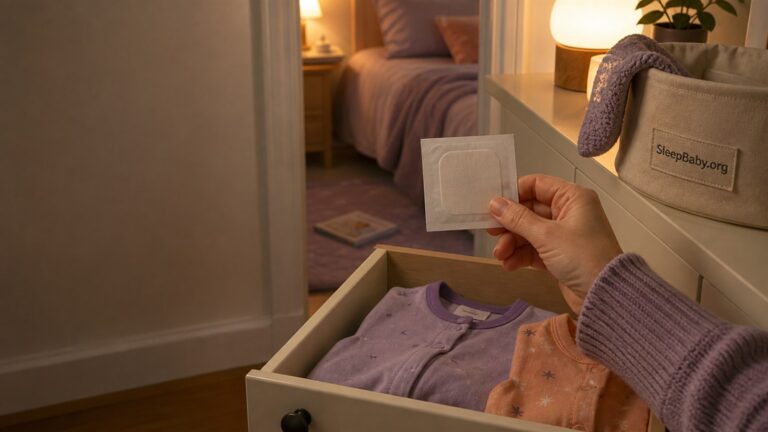
Sleep patches for kids have not been shown to improve sleep. Learn patch types, melatonin and essential-oil safety, and what to do after exposure.
Read guide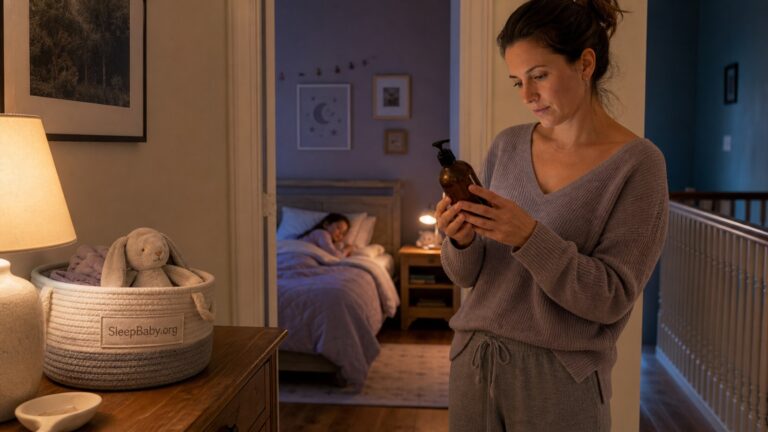
Magnesium lotion has not been shown to improve children's sleep, and skin absorption is unproven. Learn safe-use boundaries and what to try first.
Read guide
Skip the viral “flipped baby” sleep technique. It has no established sleep benefit; use supported soothing and a firm, flat, bare sleep space instead.
Read guide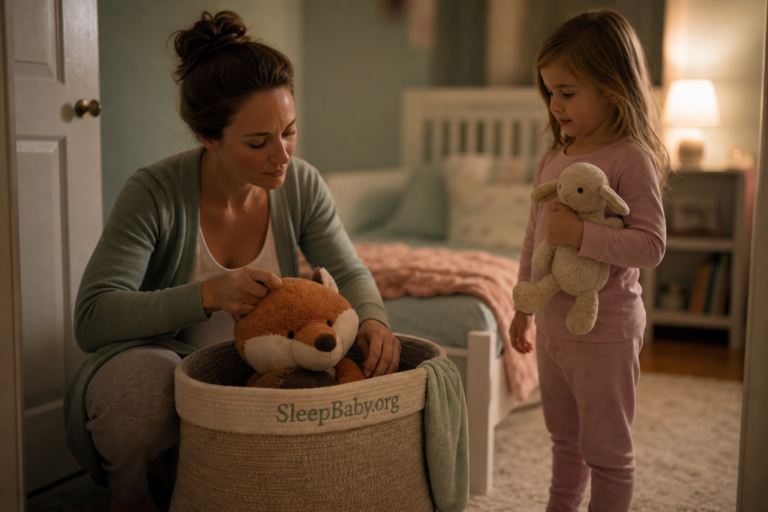
A weighted stuffed animal is not a proven sleep treatment. Keep it off a sleeping child, follow the age label, and use this lift-off check before any awake trial.
Read guide
Compression sheets may feel calming, but direct toddler sleep evidence is lacking. Use this safety-first awake fit-and-exit test before considering one.
Read guide
You can usually sleep on your back after a C-section if it is comfortable and your care team has not advised otherwise. Support may help, but breathlessness when lying flat needs…
Read guide
When your baby cries, arches, or becomes wide awake at sleep time, the pattern can point to timing, separation, discomfort, or illness. Match one safe next step to the clues.
Read guide
A later wake-up can reflect a shifted schedule or normal variation. Check your baby's alertness, feeds and whole-day sleep before changing naps or bedtime.
Read guide
Yes, both parents can usually rest while their newborn sleeps safely. Here's how to share night duty, protect needed feeds, and make a clear handoff.
Read guide
Most rough nights are normal if your baby breathes comfortably, feeds close to usual, makes wet diapers, and is alert when awake. Get urgent help for breathing trouble, blue or gray…
Read guide
Most babies drop from three naps to two around 6 to 9 months, but age is only a clue. Look for a repeating pattern, enough capacity for two useful naps, and…
Read guide