Accidental Ingestion
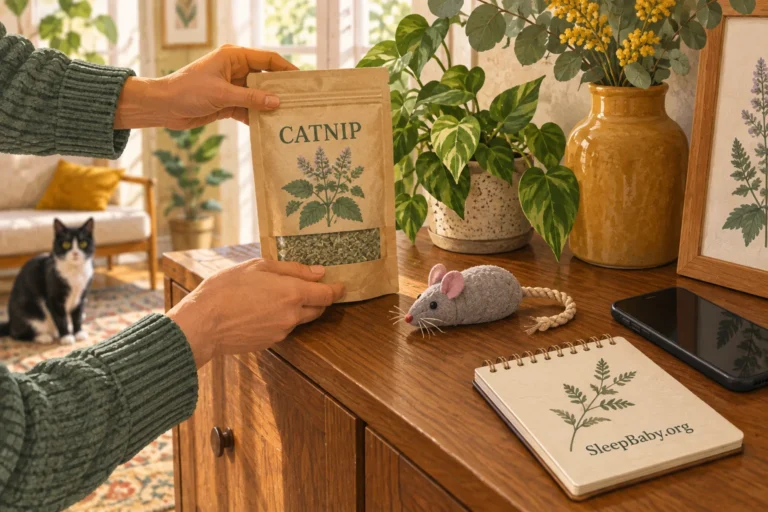
Baby Ate Catnip? What to Do and When to Get Help
If your baby ate catnip, check the actual product and contact Poison Control. Learn what changes with leaves, sprays, torn cat toys, and unusual sleepiness.
Read guideThe SleepBaby blog
Baby won’t settle? Naps keep shifting? Start with the question in front of you.
526 guides
If your baby ate catnip, check the actual product and contact Poison Control. Learn what changes with leaves, sprays, torn cat toys, and unusual sleepiness.
Read guide
If your baby ate baking soda, call Poison Control for advice. Learn which signs need emergency help, what to report, and what not to give at home.
Read guide
Spit-up is different from forceful vomiting. Learn when to seek care, how to follow feeding cues, and what to tell your baby’s pediatrician.
Read guide
If your baby ate Tums, check breathing, keep the package and contact Poison Control. Learn why the exact formula matters and what to ask before nap or bedtime.
Read guide
A small taste of ordinary diaper cream is usually low risk. Learn what to do, which Triple Paste label to check, and when coughing or other symptoms need help.
Read guide
What to do if your baby eats poop: gentle cleanup, when to call Poison Control, symptoms that need medical help, and practical ways to prevent another exposure.
Read guide
Loud baby gas is often normal. Learn what to watch in feeding, comfort, and diapers, gentle steps to try, and the symptoms that need medical help.
Read guide
When babies can try hummus, how to check sesame and other ingredients, and practical tips for texture, small tastes, and storage.
Read guide
Yes, if formula is prepared correctly first. Learn how to combine feeds, follow the shorter storage deadline, protect your feeding goals and make caregiver handoffs clearer.
Read guide
Ham is not an ideal everyday baby food. Check sodium, ingredients, safe heating and texture, and learn which plain protein foods make easier alternatives.
Read guide
Babies can try ground turkey from around six months when ready for solids. Learn the 165°F cooking check, soft serving textures and safer storage steps.
Read guide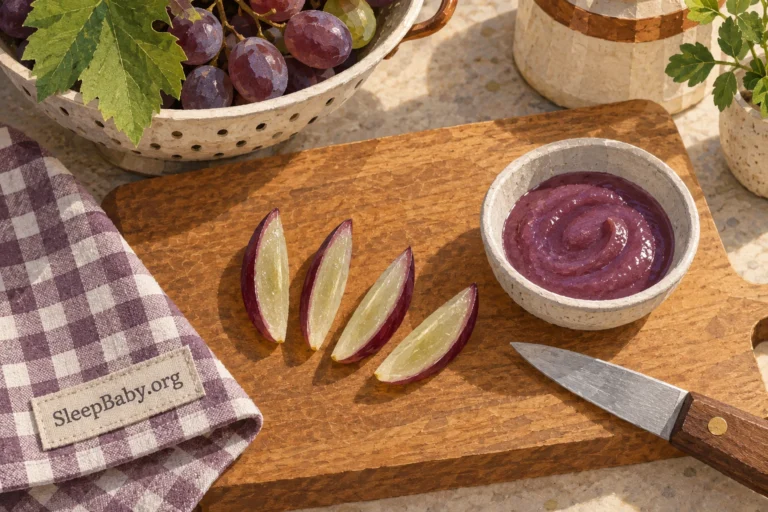
Babies can try appropriately prepared grapes when ready for solids. Learn how to change the shape and texture, supervise meals, and recognize choking.
Read guide