
Discovering that you’re pregnant can bring a wave of emotions, especially if the pregnancy is unplanned or unexpected. If you find yourself thinking, “I’m pregnant and I don’t know if I want to keep it,” know that you are not alone. This article aims to help you explore your feelings and understand the resources available to you during this challenging time.
Understanding Your Feelings
It’s completely normal to have mixed feelings about your pregnancy. Whether it’s fear, confusion, shock, or even a combination of all these emotions, what you’re feeling is valid. It’s crucial to give yourself the space to process these emotions and make an informed decision about your next steps.
Exploring Your Options
Parenthood
Choosing to become a parent is a significant decision that comes with its unique set of joys and challenges. Consider whether you’re ready for the emotional, physical, and financial responsibilities of raising a child.
Adoption
If you’re not ready to become a parent but don’t want to terminate the pregnancy, consider adoption. There are various types of adoption processes, and you can choose the one that feels right for you.
Abortion
If you feel that continuing with the pregnancy isn’t the right choice for you at this time, it’s okay. Abortion is a legal option, and there are safe and supportive environments where you can have this procedure.
Seeking Support
Talking to people you trust about your situation can help. This could be a partner, family, friends, or a mental health professional. There are also many organizations that offer resources and counseling services to help you navigate this challenging time.
Is It Normal to Feel Like You Don’t Want Your Baby?
It’s completely normal to have mixed feelings upon learning you’re pregnant, especially if the pregnancy is unplanned. You might experience confusion, fear, or even regret. These feelings don’t make you a bad person—they simply mean you’re human and trying to make the best decision for your situation.
Can Pregnancy Make You Want to Be Alone?
Yes, some women experience a desire for solitude during pregnancy due to hormonal changes, emotional stress, or grappling with the reality of an unexpected pregnancy.
Exploring Your Options
What to Do if I’m Pregnant and Don’t Want to Keep It?
If you’re sure you don’t want to continue with the pregnancy, you have options, including adoption or abortion. It’s crucial to consult with a healthcare professional or a counselor who can provide unbiased, judgement-free guidance.
Is It OK Not to Want a Baby?
Absolutely. The decision to have a child is deeply personal and dependent on a wide range of factors, including your life circumstances, financial stability, emotional readiness, and personal beliefs.
Will I Regret Not Having a Child?
Regret is a deeply personal emotion and varies from person to person. If you’re unsure about your decision, consider seeking counseling or support from a trusted source to help you explore your feelings.
Impact of Unplanned Pregnancy
How Does Unwanted Pregnancy Affect the Mother?
An unwanted pregnancy can lead to a range of emotional responses, including anxiety, depression, and stress. It can also bring financial and relationship challenges.
What Are 3 Effects of Unwanted Pregnancy?
Unwanted pregnancies can lead to mental health issues, relationship strain, and economic instability. However, resources are available to help manage these challenges.
What Is the Divorce Rate After Unplanned Pregnancy?
While exact rates vary, studies indicate that couples with unplanned pregnancies may face increased stress, which can affect relationship stability. That said, many couples successfully navigate this challenge with communication, understanding, and support.
How Many Couples Stay Together After Unplanned Pregnancy?
There’s no definitive answer, as it depends on various factors, including the strength of the relationship before the pregnancy, support systems, and how both partners respond to the situation.
Why Do Men Change During Pregnancy?
Men also experience changes when they learn they’re going to be fathers—be it planned or unplanned. They may feel anxiety about the future, financial pressure, or worry about their ability to be a good father, which might change their behavior.
Preventing Unplanned Pregnancy
What Is the Biggest Cause of Unwanted Pregnancy?
Unwanted pregnancies often result from a lack of or ineffective use of contraceptives, contraceptive failure, or lack of sexual education.
What Is the Failure Rate of Birth Control?
The failure rate varies depending on the type of birth control. For example, the contraceptive pill has a failure rate of about 7% with typical use.
How SleepBaby.org Can Help
Amidst the challenges of decision-making and the emotional upheaval, it’s essential to take care of yourself. This includes maintaining a healthy sleep routine, which is even more crucial during pregnancy. This is where SleepBaby.org comes into the picture.
SleepBaby.org offers valuable insights and tips on establishing healthy sleep patterns. Whether you’re dealing with pregnancy-related sleep disturbances or looking for general sleep health information, you’ll find a wealth of resources at SleepBaby.org. The better your sleep quality, the more effectively you can handle stress and make clear-headed decisions.
Conclusion
Remember, it’s your body, and the decision you make needs to be right for you. Whatever choice you make, know that there is support available. From counseling services to resources like SleepBaby.org, you don’t have to navigate this challenging time alone.





I opened this SleepBaby.org page at 3:04 a.m. because I was worried about i don’t know if i want to keep it. Around i don’t know if i want to keep it, the useful part was that the useful move was not finding a perfect reassurance story. It was getting a same-day plan, warning signs, and a specific follow-up from the prenatal team, though our turning point came once we had a clear call-back rule for i don’t know if i want to keep it.
The phrase “different from this child or pregnancy’s usual” helped me trust the call without pretending I knew the cause, though our turning point came when the clinician compared i don’t know if i want to keep it with the usual baseline. I stopped waiting for i don’t know if i want to keep it to become unbearable before mentioning it to the prenatal team.
I learned during i don’t know if i want to keep it that the physical symptom and the fear became tangled. A real plan separated them: what to do now, what to watch, and when to call back, at least for the way i don’t know if i want to keep it showed up in our home. I was 8 weeks pregnant when i don’t know if i want to keep it sent me searching, and a named follow-up date helped more than another hour online.
Did anyone bring a written list for I’m pregnant and i don’t know if i want to keep it? Around i don’t know if i want to keep it, the useful part was that i forget half my questions as soon as the clinician says, “How have you been?”.
What I noticed around i don’t know if i want to keep it was that we asked for specific warning signs and a named follow-up. “Monitor it” became much less scary once we knew what monitoring meant. The prenatal nurse compared i don’t know if i want to keep it with my own baseline rather than a stranger’s reassuring pregnancy story.
For i don’t know if i want to keep it, I wrote the start time, what changed it, medications, and the warning sign I was afraid of. A reassuring story about i don’t know if i want to keep it cannot rule out a complication for someone else. Call the relevant clinician when symptoms are new or concerning, though our turning point came when the clinician compared i don’t know if i want to keep it with the usual baseline.
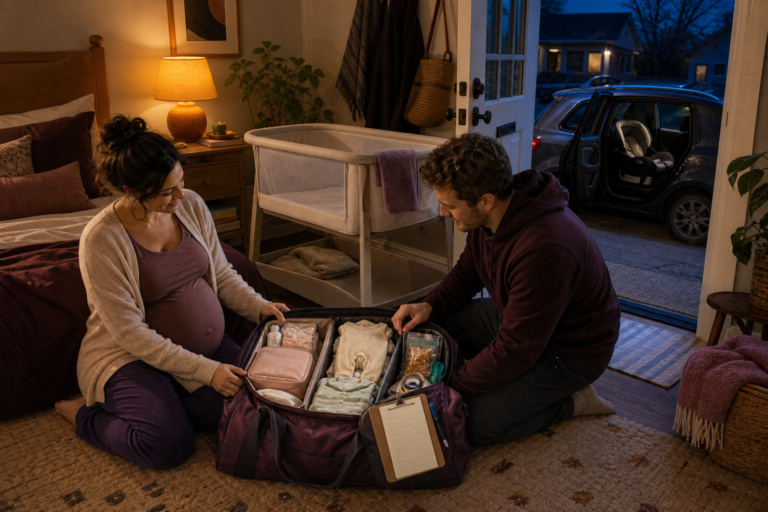
What I noticed around i don’t know if i want to keep it was that i kept the nurse line, medication list, allergies, and partner’s number on paper by the bed. Unlocking a phone while panicking was weirdly difficult, though our turning point came at the appointment about i don’t know if i want to keep it. Once after we wrote the symptom timeline for i don’t know if i want to keep it, for i don’t know if i want to keep it, I wrote the start time, what changed it, medications, and the warning sign I was afraid of.
Around i don’t know if i want to keep it, the useful part was that we divided the night: I handled the symptom and resting; my partner handled the phone, medication list, and childcare plan. I stopped waiting for i don’t know if i want to keep it to become unbearable before mentioning it to the prenatal team, but I only recognized it after we wrote the symptom timeline for i don’t know if i want to keep it.
I learned during i don’t know if i want to keep it that i felt dismissed by “that happens in pregnancy.”. Around i don’t know if i want to keep it, the useful part was that common and harmless are not identical, and common symptoms can still deserve treatment. I saw the same thing with i don’t know if i want to keep it: i was 8 weeks pregnant when i don’t know if i want to keep it sent me searching, and a named follow-up date helped more than another hour online.
I saw the same thing with i don’t know if i want to keep it: work stress made every symptom harder to interpret. I documented dates, duties, and what my clinician recommended before speaking with HR, and that became obvious at the appointment about i don’t know if i want to keep it. I saw the same thing with i don’t know if i want to keep it: i stopped waiting for i don’t know if i want to keep it to become unbearable before mentioning it to the prenatal team.
Update: the appointment was kinder than the conversation I had been having alone in my head, and I noticed it first at the appointment about i don’t know if i want to keep it. For us, i left with warning signs and a specific follow-up, but I only recognized it once we had a clear call-back rule for i don’t know if i want to keep it. My mom came to the appointment about i don’t know if i want to keep it because I had become too practiced at saying I was fine.
Around i don’t know if i want to keep it, the useful part was that pregnancy made me feel like my body had become public property. During i don’t know if i want to keep it, the thing that held true was that asking for privacy and individualized care helped me feel like myself again. Nighttime made i don’t know if i want to keep it feel enormous, so I kept the nurse line and my notes on paper beside the bed.
I learned during i don’t know if i want to keep it that the internet gave me language. What changed my mind about i don’t know if i want to keep it was simple: my own clinician gave me the plan. The part I’d add for i don’t know if i want to keep it is that i was 8 weeks pregnant when i don’t know if i want to keep it sent me searching, and a named follow-up date helped more than another hour online.
I saw the same thing with i don’t know if i want to keep it: i kept waiting for the symptom to become unbearable before it counted. For i don’t know if i want to keep it, the appointment taught me that new or concerning was enough to discuss. For “I’m Pregnant and I Don’t Know if I Want to Keep It”, the most useful outcome was knowing what to do now, what to watch, and exactly when to call again.
Has anyone working through i don’t know if i want to keep it found an answer to this: did anyone bring a written list for I’m pregnant and i don’t know if i want to keep it? I forget half my questions as soon as the clinician says, “How have you been?”, though our turning point came once we had a clear call-back rule for i don’t know if i want to keep it.