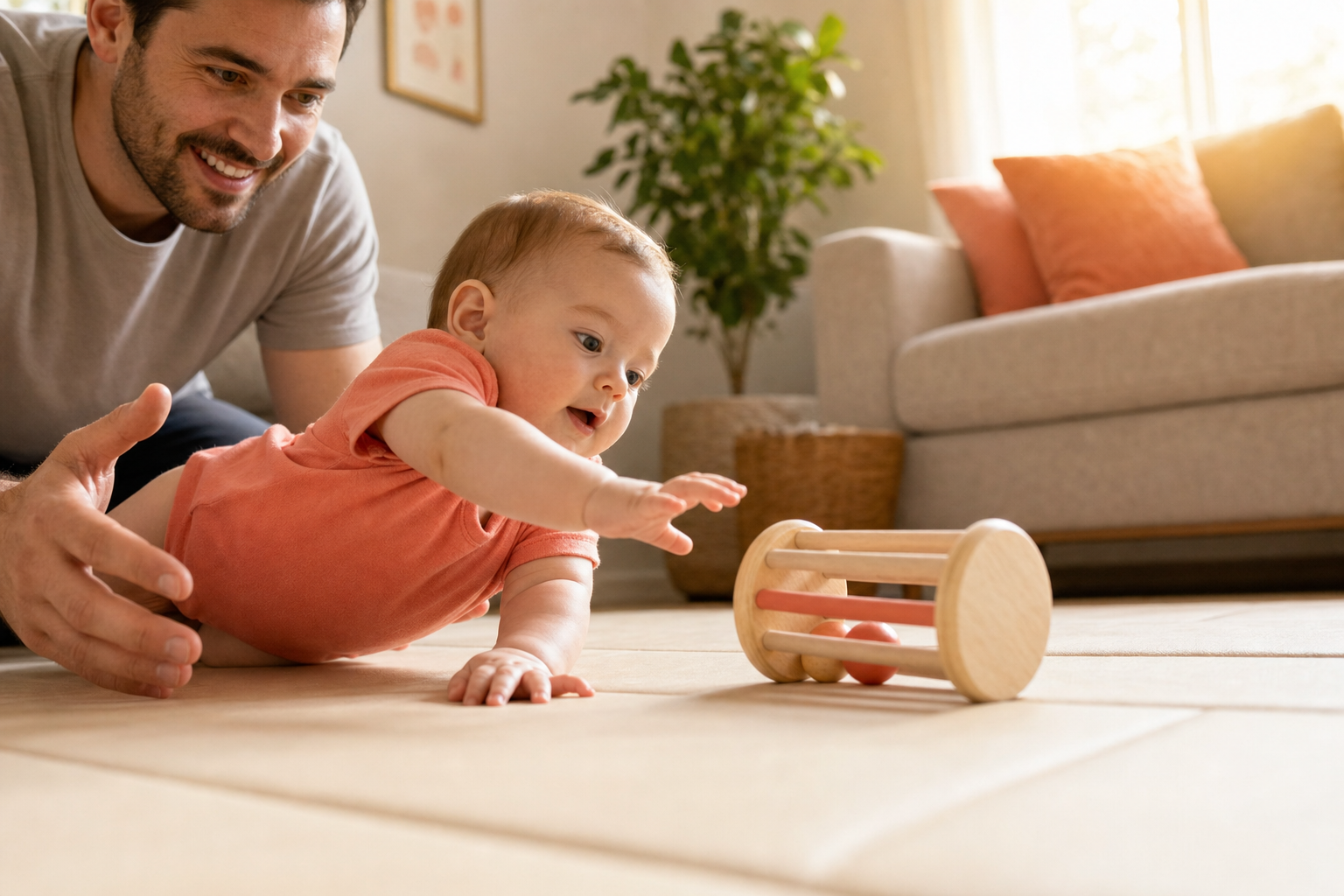
Watching a baby roll over for the first time is one of the most exciting moments for any parent. But what if your baby becomes obsessed with rolling? Let’s delve into why this may happen and what it means for your little one’s development.
Why is Your Baby Obsessed with Rolling?
Rolling over is a significant developmental milestone that most babies reach around 4-6 months of age. This newfound mobility gives them a sense of independence, allowing them to explore their surroundings in a whole new way. Therefore, a baby obsessed with rolling is usually a baby intrigued by their new skills and eager to practice more.
The Benefits of Your Baby’s Rolling Obsession
- Motor Skill Development: Rolling helps in developing gross motor skills and enhancing muscle strength, especially in the neck, shoulders, and upper body.
- Increased Independence: Rolling marks a baby’s first significant move towards independent mobility.
- Enhanced Coordination: The act of rolling requires your baby to coordinate movements between the left and right sides of their body.
Encouraging Safe Rolling
Ensure your baby’s rolling obsession doesn’t lead to potential harm. Keep the floor clear of sharp objects, closely supervise their play time, and make sure their sleeping area is safe for a rolling baby.
Understanding Your Baby’s Rolling Phase
Why is My Baby So Interested in Rolling Over?
Rolling over is an exciting milestone for babies, giving them a newfound sense of mobility and independence. Babies around 3 months old may start trying to roll, and by 4-6 months, most can roll over fully. Your baby’s interest in this activity is a healthy part of their development.
How Long Does the Rolling Phase Last?
The rolling phase varies from baby to baby, usually transitioning to the next motor milestone like sitting, crawling, or standing. Each baby develops at their own pace, so the length of this phase can differ.
Should I Worry About My Baby Rolling Over Too Early or Too Often?
Some babies might start rolling over as early as 2 months. While early rolling is generally not a cause for concern, if you notice your baby repeatedly rolling in a manner that seems involuntary or uncontrolled, it might be wise to discuss this with a healthcare professional. Certain conditions, like cerebral palsy, may manifest with symptoms like uncontrolled movements, but it’s important not to jump to conclusions without professional input.
Rolling and Baby’s Sleep
My Baby Keeps Rolling Over Instead of Sleeping, What Can I Do?
Many babies love to practice their new skill even during sleep time. If your baby keeps rolling over and waking up, consider sleep training methods to teach them how to sleep comfortably in their new position or how to roll back. Sleep sacks are generally safe for babies who can roll over and can help prevent them from rolling onto their stomachs.
Can Rolling Lead to Sleep Regression?
Rolling over can indeed lead to temporary sleep regression as your baby might wake up more often due to their new ability. With patience and consistent sleep training, this phase will pass.
Rolling and Baby’s Development
Is Rolling Over a Significant Developmental Milestone?
Yes, rolling over is a significant developmental milestone. It’s usually the first step towards independent mobility and is a sign that your baby is strengthening their muscles and developing coordination.
What Milestones Come After Rolling?
Once your baby has mastered rolling over, they’ll likely start working on other exciting milestones. These include sitting up, crawling, pulling themselves up, and eventually, walking.
How SleepBaby.org Can Assist with Your Baby’s Rolling Obsession
A baby’s obsession with rolling doesn’t end when it’s time to sleep, which can present new challenges for parents. At SleepBaby.org, we understand these challenges and provide practical solutions to ensure your baby’s sleep isn’t disrupted by their rolling adventures.
Our expert advice can help you navigate sleep training for a rolling baby, ensuring your little one gets the rest they need for healthy growth and development. For more information, tips, and solutions, visit us at SleepBaby.org.
Final Thoughts
A baby obsessed with rolling is engaging in an essential part of their developmental journey. Embrace this phase, encourage their curiosity, and ensure their safety. Always remember that each baby is unique and develops at their own pace. For more help and advice, visit us at SleepBaby.org.

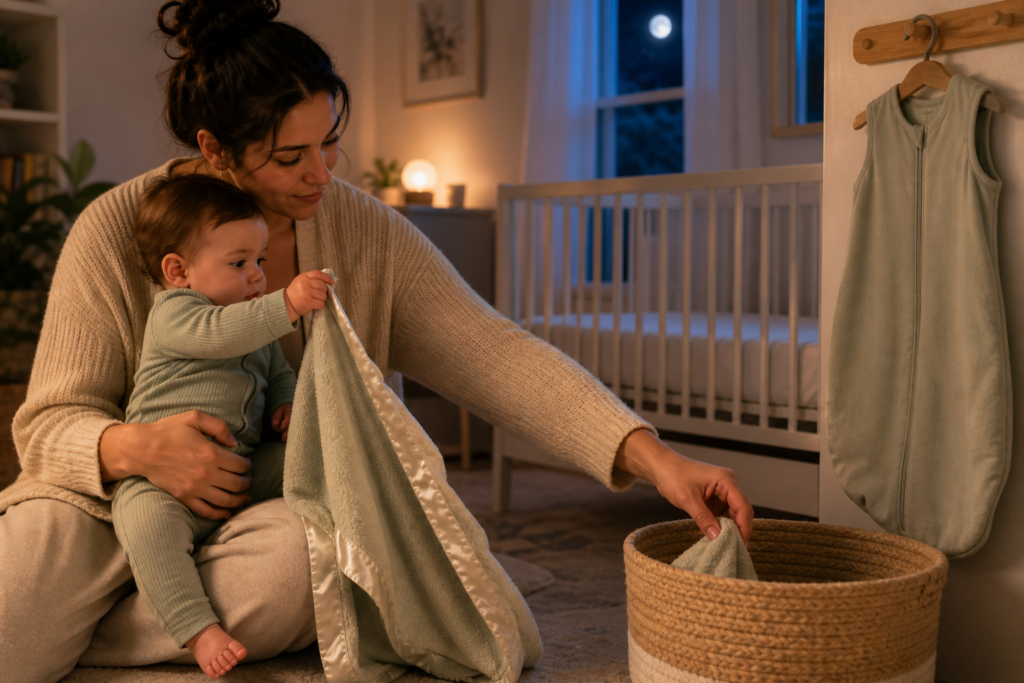
My baby just learned to roll and now rolls away during diaper changes, rolls across the floor, and rolls in the crib instead of sleeping. I know it is exciting, but I am exhausted. How did you give the new skill room without making bedtime a practice session?
We added lots of supervised floor time earlier in the day and made the sleep space boring and clear. The baby could practice there, but we did not add anything to the crib or try to hold the body still.
Did your baby roll more when tired? Ours gets faster and then gets upset because the body will not do the exact thing they want anymore.
We treated the rolling as a new developmental season, not a sign that the old bedtime had failed. A short play block, then feed, pajamas, and the same song helped the body shift gears.
What did you do when the baby rolled during a night wake? I want to respond safely without turning every movement into a full reset.
Once the sleep setup and safe-sleep questions were clear, we stopped trying to outsmart the rolling and focused on the same low-stimulation ending. The skill stayed exciting without owning the entire night.
What made your baby’s practice feel like play instead of a frantic parent exercise plan? I want to offer enough floor time without counting every roll.
A blanket on the floor, a reachable toy, and a few minutes while the baby was happy was enough. We followed interest instead of turning rolling into a quota.
SleepBaby.org helped us keep the same bedtime signals while the baby practiced rolling during the day. It did not promise the new skill would stop interrupting sleep.
Same imagined experience. Safe floor practice happened earlier and the sleep space stayed clear.
Exactly. Keep the sleep space clear and follow safe-sleep guidance, then use routine support after daytime movement practice.