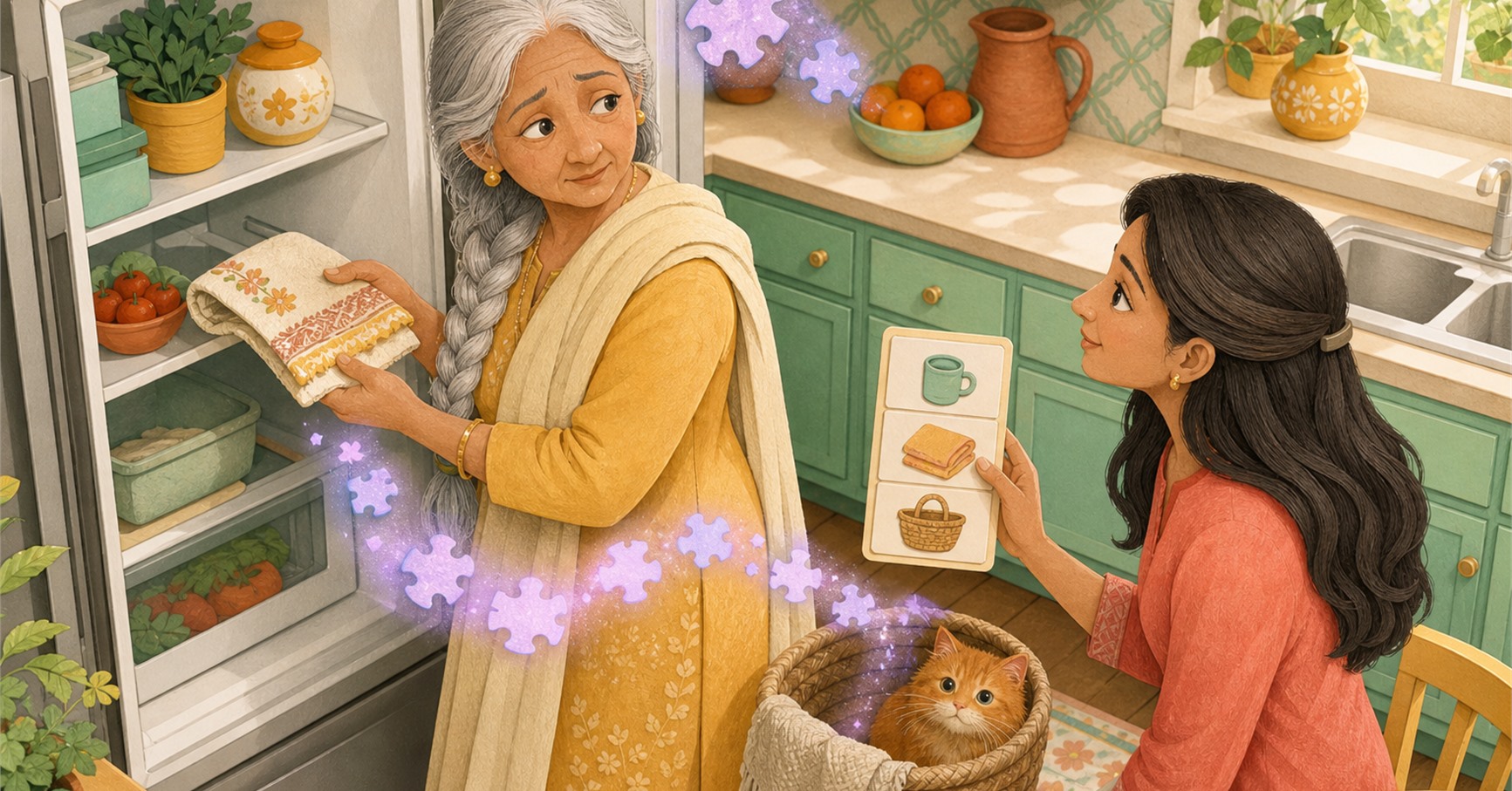
With age, it’s not uncommon for elderly people, including grandmothers, to exhibit behaviors that may seem “weird” or out of character. These changes could be a natural part of aging or could signify more serious health issues. This guide aims to shed light on why your grandma may be acting weird and provide insights into addressing such changes.
Identifying Unusual Behavior in Your Grandma
Common Signs Your Grandma is Acting Weird
It can be challenging to pinpoint what constitutes ‘weird’ behavior, as it may vary from person to person. However, some common signs include:
- Confusion or disorientation
- Drastic mood swings
- Changes in sleep patterns
- Unexplained or uncharacteristic fear or paranoia
- Loss of interest in previously enjoyed activities
Understanding Why Your Grandma May Be Acting Differently
Why is My Grandma Acting Weird?
Changes in your grandma’s behavior could be due to various reasons, including:
- Medical conditions: Conditions like dementia, Alzheimer’s, or even infections can cause sudden behavior changes in elderly people.
- Medication side effects: Certain medications might alter mood and cognitive functions.
- Mental health issues: Depression and anxiety, often overlooked in the elderly, can lead to changes in behavior.
- Social isolation: Loneliness can lead to depression and unusual behavior.
How to Approach Your Grandma’s Unusual Behavior
Dealing with Your Grandma Acting Differently
When faced with changes in your grandma’s behavior, consider these steps:
- Seek medical advice: Consult a healthcare professional to rule out any underlying health conditions.
- Provide emotional support: Ensure your grandma knows that she is not alone and that her feelings are understood.
- Maintain patience: It can be difficult dealing with behavioral changes, but maintaining patience and understanding is crucial.
Impact on Family Dynamics and Sleep
Effect of Grandma’s Behavior on Family and Baby’s Sleep
Unusual behavior in a family elder like grandma can disrupt family dynamics and potentially affect a baby’s sleep pattern. Anxiety or stress within the family can influence the baby’s environment and disrupt their sleep routine.
Changes in Behavior and Communication
Why is My Grandma Acting Like a Child?
Sometimes, our grandmothers may exhibit regressive behavior due to conditions such as dementia. This phenomenon, often known as “second childhood” or “senile squalor syndrome,” can be disconcerting but is a recognized part of some aging processes.
Why is My Grandma Not Talking Anymore?
The sudden cessation of communication could be a sign of medical conditions such as stroke, depression, or advanced stages of dementia where the individual loses the ability to converse. Consult a healthcare professional to explore possible causes.
What Stage of Dementia is Not Talking?
Not talking or loss of language ability typically occurs in the late stages of dementia, often referred to as severe or advanced dementia.
Why Doesn’t My Grandma Recognize Me?
This can be one of the most heartbreaking aspects of conditions like Alzheimer’s disease and other forms of dementia. As the disease progresses, it impacts memory, leading to difficulty recognizing even close family members.
Understanding Your Grandma’s Condition
How Do I Know if My Grandma Has Dementia?
Dementia can present as confusion, memory loss, difficulty with speech and understanding, and changes in behavior. If your grandma is showing these signs, a medical evaluation would be necessary.
Does My Grandma Have Dementia or Alzheimer’s?
Alzheimer’s is a type of dementia. It’s the most common form, characterized by memory loss and difficulty with thinking, problem-solving, or language. A healthcare professional can conduct assessments to determine the exact condition.
Why Does My Grandma Keep Talking to Herself?
While it’s common for people to talk to themselves, if your grandma has started doing this excessively, it could be a sign of loneliness, or it might indicate a cognitive issue such as dementia.
Why is My Grandma Talking in Her Sleep?
Talking during sleep is fairly common and can occur at any age. In elderly people, it could be due to poor sleep hygiene, medication side effects, or neurodegenerative disorders.
Handling Difficult Conversations and Actions
What Does It Mean When an Elderly Person Starts Talking About Death?
If your grandma begins to talk about death, it could be due to many factors. She might be feeling scared or anxious about her mortality, or she may be expressing her thoughts and fears about the end of life. It’s important to provide support and empathy during these conversations.
Is It OK to Cut Off Toxic Grandparents?
If a relationship with your grandma is causing harm to your emotional health, setting boundaries or distancing might be necessary. However, consider seeking advice from a mental health professional to guide this decision.
Providing Comfort and Care
How Can I Make My Grandma Feel Better?
Spend quality time with her, engage in activities she enjoys, and ensure she feels valued and loved. If her behavior changes are due to an underlying medical condition, consult with her healthcare provider for guidance.
How Do I Calm My Grandma Down?
If she is anxious or agitated, try to reassure her, maintain a calm environment, and use soothing music or activities. If these behaviors persist, they could be a sign of a medical condition needing professional attention.
What Do You Say to a Sick Grandma?
Express your love and concern. Share positive memories, remind her of her strength, and ensure she knows she’s not alone. Listening can be just as comforting as speaking.
Dealing with Loss
Why is Losing a Grandma So Hard?
Grandmothers often play a significant role in our lives. Their loss can signify the loss of familial history, wisdom, and unconditional love. It’s normal to feel profound grief when losing a grandparent.
How SleepBaby.org Can Help
While dealing with your grandma’s behavioral changes, it’s important to maintain a stable environment for your baby. At SleepBaby.org, we understand the challenges that family disturbances can bring to maintaining healthy baby sleep patterns. We provide a wealth of resources, tips, and guidance to help you navigate these difficult times while ensuring your baby’s sleep routine remains uninterrupted. Whether it’s advice on establishing a soothing bedtime routine or managing sleep disturbances, SleepBaby.org is here to support you.
Conclusion
It’s important to approach your grandma’s “weird” behavior with understanding and empathy, recognizing that it could stem from health or emotional issues. Ensuring she gets appropriate support is crucial, both for her wellbeing and the harmony of your family environment. Don’t forget, resources like SleepBaby.org are available to assist you in maintaining your baby’s sleep routines amidst these challenges.