Waking up sweaty after having a baby often comes from the sharp hormone changes after birth and your body getting rid of extra pregnancy fluid. It is commonly worse in the first couple of weeks, then eases. Breastfeeding can make it last longer, but it does not explain every episode. Cleveland Clinic explains these postpartum changes.
I would first check your temperature and how you feel. A temperature of 100.4°F (38°C) or higher needs immediate medical advice. Chest pain, trouble breathing, fainting, or severe symptoms need emergency care. If you otherwise feel well, change into dry clothes, have water nearby, and use lighter bedding for yourself. Notice whether you become comfortable again and whether the sweating is easing across nights. Those details are more useful than the size of one damp patch.
A soaked neckline can feel alarming when nobody mentioned this part of recovery. You may already be awake to feed your baby, only to discover that your own clothes need changing too. I would make that cleanup easier while keeping the health question separate. You should not have to decide whether you deserve a call based on how much laundry the night produced.

Why this happens even when the bedroom is cool
The hormonal shift after delivery can affect temperature regulation. Sweating may happen during the day as well as at night, and you do not have to be under a heavy duvet for it to occur. NHS Norfolk’s early-days guidance describes this as a common early postpartum experience, particularly during the first couple of weeks.
That explanation is reassuring only when it fits the rest of the picture. “I am a week postpartum, otherwise well, and waking damp” is different information from “I was improving, but now I have shaking chills and pain.” I would not put both situations into the same wait-it-out category simply because both involve sweat.
Your room still matters. A hot room or heavy bedding can make anybody sweat, while true night sweats can soak clothing even in a cool space. The NHS night-sweat guidance recommends getting recurring, worrying episodes checked. You do not need to prove that the thermostat was perfect before asking for help.
Feeling cold afterward does not settle the cause
Wet clothes can become uncomfortable as you cool down. Changing them may help, but I would not use that improvement to dismiss shaking chills, fever, or new pain. Say which experience you mean when you call: feeling chilly in a wet top, shaking despite being dry, or having a measured temperature. Those descriptions help the team understand what happened.
If you have a thermometer, follow its instructions and report the reading. Mention any fever-reducing medicine you have taken. A single normal reading does not make severe symptoms safe to ignore, and feeling hot without a thermometer is still something you can discuss. The point of checking is to add information, not to pass a test before you are allowed help.
Try describing what happened in ordinary words: your shirt was damp at the chest, the pillowcase was wet, or you needed to change the sheet. That gives a clinician useful context without asking you to measure sweat. There is no home laundry threshold that diagnoses a hormone problem.
A useful distinction for tonight
What is happening alongside the sweat?
- You feel well, and the early sweating is easing
- Use simple comfort measures. Bring it up if it keeps disrupting rest or worries you.
- Fever, chills, increasing pain, or feeling ill
- Contact your maternity team promptly. Fever or severe symptoms follow the urgent guidance above.
- It persists, returns after improving, or starts much later
- Arrange a medical review. Explain the timing, medicines, and other symptoms; do not assume breastfeeding explains it.
SleepBaby.org • An observation guide for choosing the next step, not a diagnostic test.
How long should postpartum night sweats last?
Many people notice the worst sweating during the first two weeks, with improvement over the following weeks. There is no exact night when everyone returns to their previous pattern. Cleveland Clinic advises checking with your provider if night sweats continue beyond three weeks. I would treat that as a reason to make contact, rather than a deadline you must reach before calling.
Write down the direction of change if it helps: less intense, about the same, or getting worse. You can do that without tracking every waking. A brief note such as “still changing my shirt most nights” tells the team something clearer than trying to remember whether Monday was wetter than Tuesday.
Symptoms that begin several months after birth deserve a fresh conversation. So do episodes that stopped and then returned. You are still postpartum, but that label is context, not a diagnosis. Mention any new medicine, illness, feeding change, or other change around the same time without deciding in advance which one caused it.
If you are unsure whom to contact, start with the maternity discharge number or your usual medical practice and explain how recently you gave birth. Ask where you should be assessed and how soon. For severe symptoms, use emergency services directly. If the first person you reach does not know your delivery history, repeat it; “I gave birth ten days ago” is important context, not an incidental detail.
Does breastfeeding mean this will continue until weaning?
No. Lactation can keep estrogen lower and may prolong sweating, but it does not give you a reliable end date. People who are formula feeding can also have postpartum night sweats. I would not tell you to stop breastfeeding to solve a symptom that has not been assessed.
It can help to separate sweat from milk leakage when describing a wet shirt. Note where the dampness is and whether you noticed leaking during a feed. They can happen together, and the pattern cannot reliably diagnose the cause. The useful goal is a more accurate description, not another nighttime investigation.
Keep feeds responsive and follow your baby’s individual feeding plan. There is no need to stretch the gap between feeds as an experiment to see whether you sweat less. If breastfeeding is painful, difficult, or adding to exhaustion, ask for feeding support alongside advice about your own symptoms. Those are both legitimate care needs.
The symptoms I would not explain away as hormones
New pain, chills, or an unpleasant discharge smell
Postnatal infection can involve abdominal, pelvic, or perineal pain, fever, shivering, or unpleasant-smelling vaginal discharge. NICE’s postnatal-care guidance advises seeking medical advice without delay for these signs. After a cesarean, report worsening wound pain, redness, drainage, or a wound that opens. Follow the wound instructions your own team gave you.
When you call, name the location of the pain and whether it is changing. “My incision is more painful today” is clearer than “postpartum feels rough.” You do not need to identify an infection yourself before contacting the people responsible for your recovery.
If bleeding is also worrying you, our guide to lochia and postpartum bleeding explains the usual changes and warning signs. Use the urgent route above for heavy bleeding or feeling seriously unwell; further reading can wait.
A painful, hot area of the breast
A swollen, hot, painful breast area together with flu-like symptoms can fit mastitis. The NHS mastitis guidance explains that symptoms can develop quickly and advises against suddenly stopping breastfeeding or using firm pressure on the breast. Tell your maternity or medical team about the breast symptoms, especially if you have fever or feel unwell.
I would not describe a hot, painful breast as simply “sweating while nursing.” That smaller label leaves out the detail that changes the advice. If redness is difficult to see on your skin, mention heat, swelling, and tenderness rather than waiting for an obvious red patch.
Heat intolerance, a racing heart, or unexplained weight change
Postpartum thyroiditis is one possible cause of symptoms during the year after birth. An overactive phase may bring difficulty tolerating heat, trouble sleeping, irritability, tiredness, or a fast heartbeat. The thyroid may later become underactive, and not everyone has both phases. NIDDK explains that clinicians use blood tests to investigate.
These symptoms overlap with other conditions. Sweating alone cannot tell you that your thyroid is involved, and a fast or irregular heartbeat with chest pain, breathlessness, or faintness needs urgent assessment. I would describe the whole pattern instead of ordering a “hormone balancing” supplement or assuming that tiredness is inevitable with a newborn.
A new medicine or a changed dose
Some antidepressants, steroids, and pain medicines can contribute to night sweats. A prescriber or pharmacist can review whether the timing fits. Do not stop prescribed treatment on your own. Bring the names and doses, including supplements, so the conversation can be specific. If you take medicine for diabetes, follow your own plan for suspected low blood sugar and seek help when needed.
What a review can clarify
The next step depends on the symptoms you describe. A conversation about a painful breast is different from one about sweating that begins months later with a racing heart. Ask what possibilities your clinician is considering, whether you need an examination or tests, and what changes should make you seek help sooner. You do not need to request every possible test because an online list mentioned several causes.
Before the call ends, make sure you know the follow-up plan. If the advice is to monitor, ask when to contact them again if the sweating continues. Keep the plan somewhere you can find it when tired. If symptoms change before that point, call again rather than treating the earlier advice as a permanent answer.
For the baby-sleep part of the night
Dry clothes ready. A little less bedtime guesswork.

Once your own symptoms have been addressed, you may still want support thinking through your baby’s sleep. Explore the Baby Sleep Miracle presentation and decide whether the program suits your family.
It is optional baby-sleep support. It does not treat night sweats, change postpartum hormones, or replace medical care or your baby’s feeding plan.
Make the next wet wake-up easier to handle
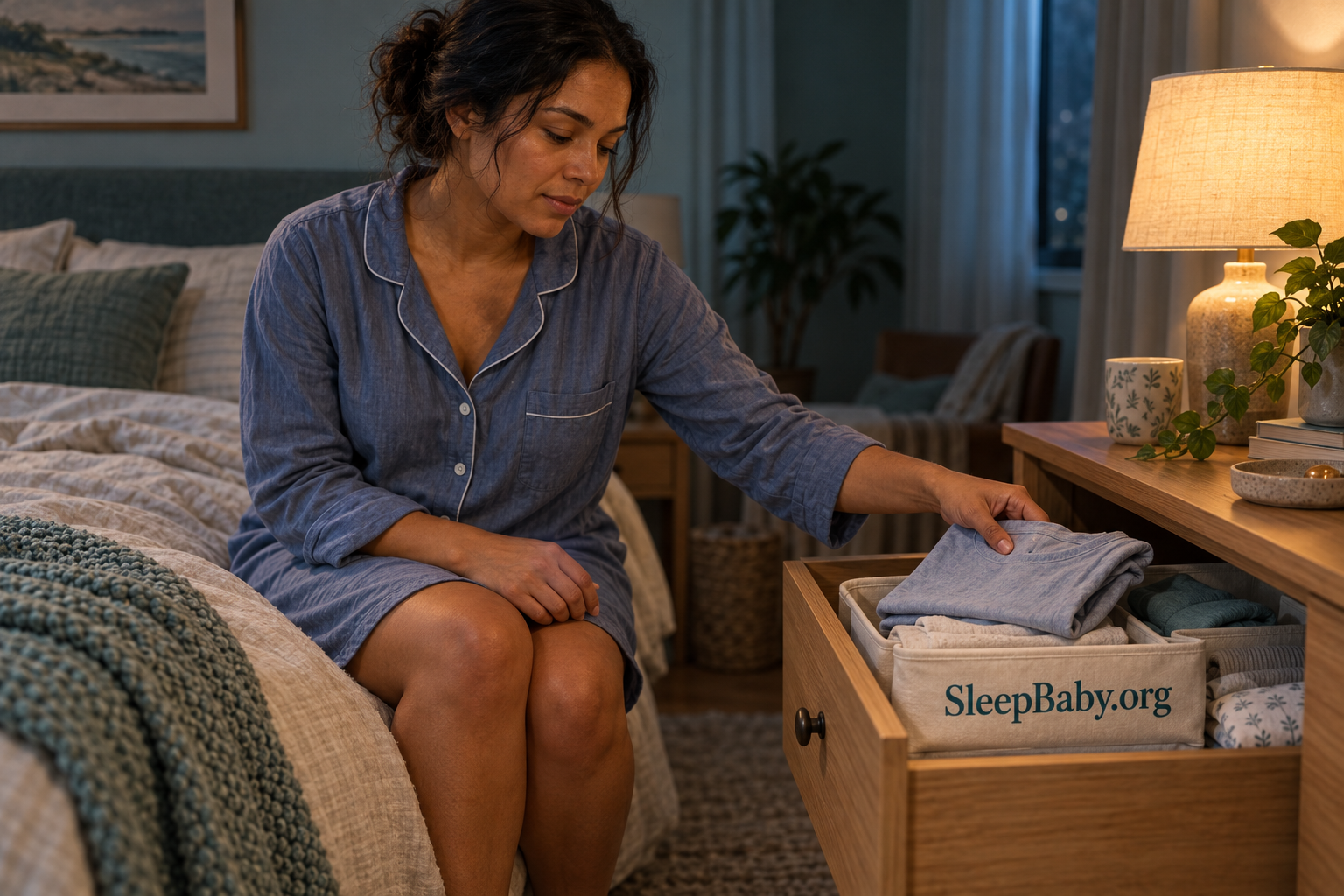
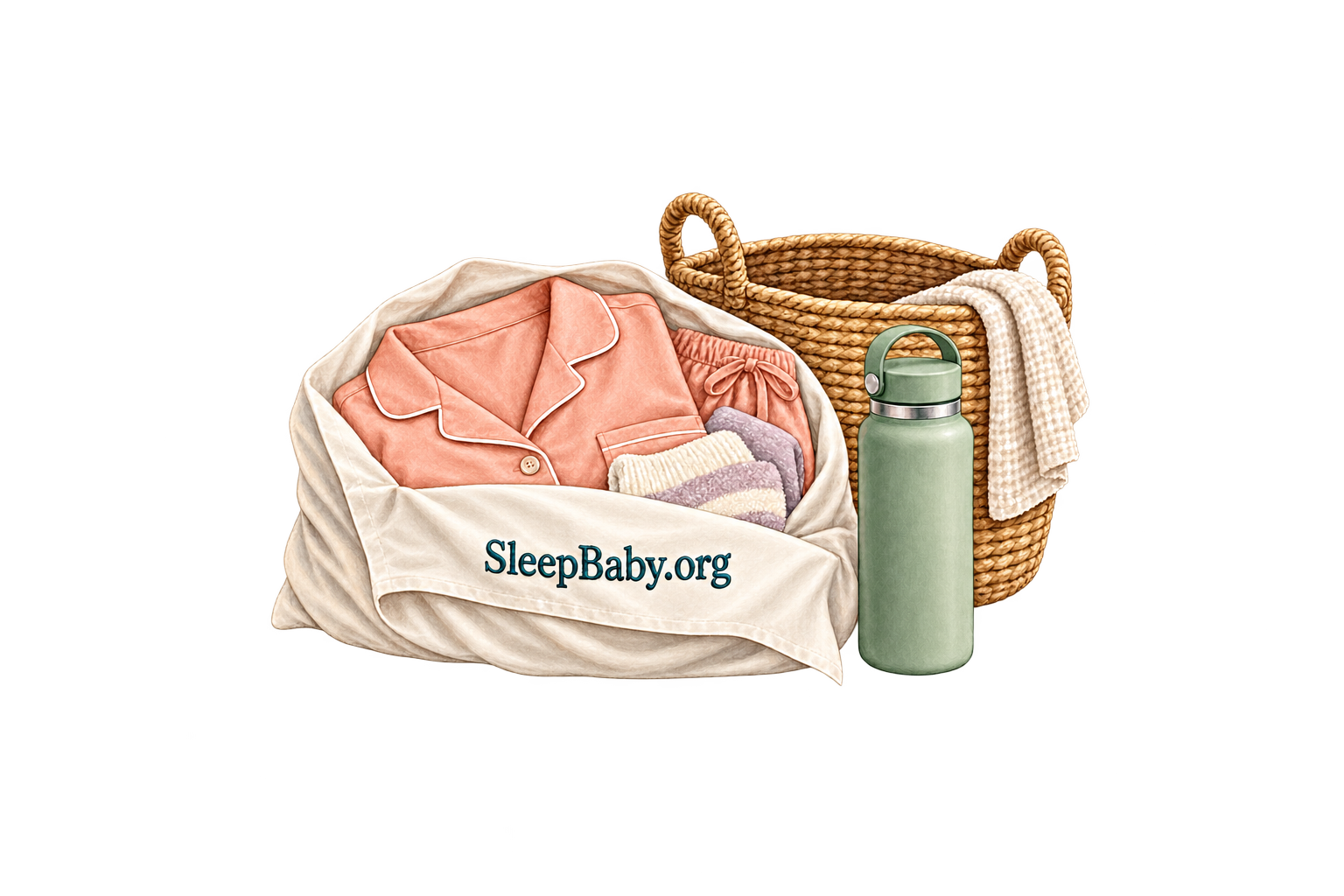
If you feel well and have no warning signs, focus on shortening the uncomfortable part of the night. I would prepare a dry top, a spare pillowcase, drinking water, and a place to put wet clothes. Choose items you can reach without lifting a heavy basket or searching a cupboard in the dark.
One practical trick is to tuck the clean top inside the spare pillowcase during the day. Both replacements then live in one place. This is simply a way to reduce rummaging; it does not prevent sweating. Put the bundle somewhere meant for adult supplies, away from the baby’s sleep space.
Choose clothes that are easy for you to remove and put on, including with any movement restrictions after delivery. If a close-fitting top catches on sore areas or makes feeding awkward, a familiar loose option may be simpler. You do not need a special postpartum wardrobe. Try the change while awake during the day so you know that the spare actually works for you.

A small reset when you are otherwise well
- Put your baby safely down. Use their own clear sleep space while you change. Ask an awake adult to take over if available.
- Replace the wet layer. Change the shirt, pillowcase, or adult bedding that is uncomfortable. Keep tomorrow’s laundry for tomorrow.
- Have a drink and adjust your comfort. Use a lighter adult layer or gentle room airflow if that helps.
- Return to rest when comfortable. If you remain unwell, the next step is advice, not another cooling experiment.
A towel on your own bed may help absorb moisture if that is comfortable for you, as NHS Norfolk suggests. Keep towels and spare clothes out of the bassinet or crib. If changing the whole adult bed is difficult after birth, ask someone else to handle that part. Your recovery instructions matter more than having the linen changed in record time.
You also do not need a shower after every episode. A fresh shirt or a gentle wash may be enough for comfort. If you want to shower, our safe shower plan while your baby sleeps covers the sleep setup and a clear route back. Follow any personal wound or bathing instructions from your maternity team.
Drink regularly, without turning hydration into another task
Keep a drink where you sit for feeds and another where you rest if that makes access easier. Refill when you are already up. You do not need to calculate how much sweat went into a pillowcase before drinking, and withholding fluids to create less sweat is not a useful plan.
Watch for thirst, dry mouth, darker urine, or peeing less than usual. Persistent dizziness when standing, a fast heart rate, or difficulty taking fluids needs prompt medical advice. The NHS dehydration guidance explains these signs. Follow any specific fluid instructions you were given for a medical condition.
I would keep an easy drinking routine before buying powders, special drinks, or supplements. If nausea or another symptom makes drinking difficult, say that when you call. “I have water next to me” and “I can comfortably drink it” are different situations.
Cool yourself without changing the baby’s sleep safety
Your sweating is not a thermometer for your baby. Check the actual room and the baby’s clothing separately. A recovering adult may want a light sheet while the baby needs suitable sleepwear for that same space. Avoid making repeated thermostat changes based only on how hot you feel.
The AAP’s safe-sleep guidance recommends placing babies on their backs on a firm, flat, separate sleep surface with a fitted sheet and no loose bedding. Room sharing can keep your baby nearby without putting them in your adult bed. Avoid overheating the baby.
Two sleep spaces, two different jobs
Your space: Dry adult clothes, lighter bedding, and a spare pillowcase can make your recovery night more comfortable.
Your baby’s space: Keep it firm, flat, clear, and separate. Adult towels, cooling pads, pillows, and spare clothes stay outside it.
If you use a fan, put it on a stable surface according to its instructions, with the fan and cord inaccessible to children. Do not clip improvised equipment onto the bassinet or run a cord through the crib. The aim is your comfort, not a claim that moving air treats a fever or makes an unsafe sleep space safe.

Ask for help with the job around the wake-up
If another adult is available, make the request concrete: bring the dry clothes, change the pillowcase, refill the water, or settle the baby after a feed. “Help me sleep” is a difficult instruction to carry out. “Please handle the sheet while I change” gives someone a task they can finish.
Agree on where those supplies belong before bedtime. A helper does not need to wake you to ask which pillowcase to use if the clean bundle is already in one drawer. In the morning, someone can replace what was used and check whether you need more practical help that day. This gives the next night a starting point without making you organize a complicated routine.
You can divide the surrounding work even when only one person is breastfeeding. Our guide to how both parents can rest when a newborn sleeps explains different ways to share responsibility while preserving feeding instructions. No arrangement should depend on an exhausted adult staying awake indefinitely.
If you are alone, prioritize a safe place for the baby and your immediate comfort. Leave nonessential cleanup. Put the wet shirt in the basket without sorting a load, and ask for a fresh set of bedding or practical help during the next daytime visit. A useful offer of help can be as ordinary as returning clean pillowcases.
If you need medical advice, a trusted person can help make the call, find your discharge paperwork, or arrange transport. Tell them what you are experiencing in your own words so the important details reach the team. Asking for that help is part of caring for yourself, not an extra household chore to finish first.
If you cannot sleep even when you are dry, comfortable, and someone else is caring for the baby, tell your clinician. ACOG notes that postpartum sleep problems can involve pain, stress, breastfeeding, and depression. You deserve assessment of your own sleep, rather than having every difficult night attributed to the baby.
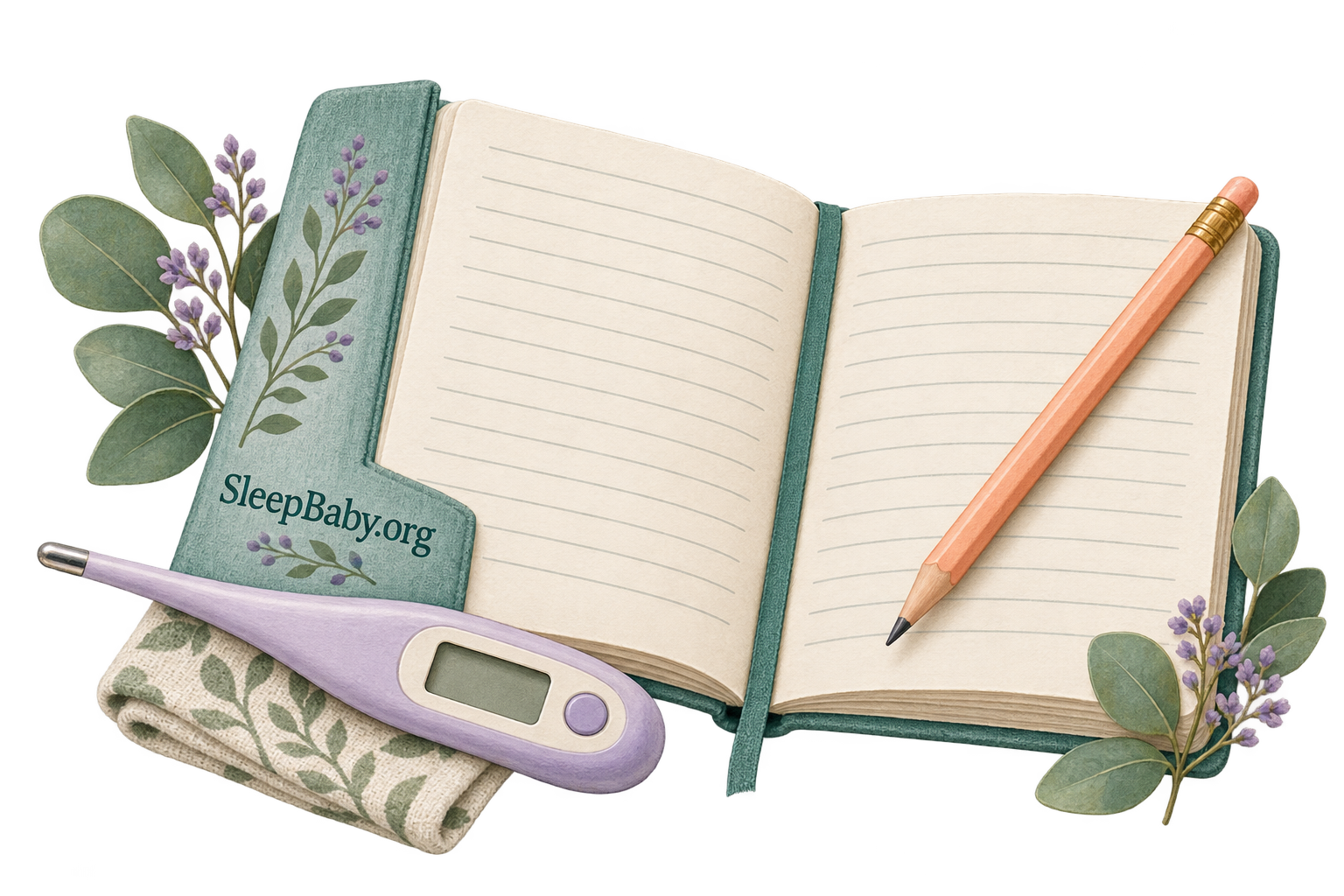
Make the call easier with one short note
Have these details ready if you can. Do not delay urgent care to collect them.
- When you gave birth and when the sweating began.
- Your temperature, if checked, and whether symptoms are improving or worsening.
- Any pain, chills, breast changes, bleeding, breathing symptoms, or feeling unwell.
- Medicines or supplements and any recent changes.
- How often it wakes you and what help you need with rest.
If there is no thermometer available, describe how you feel and call anyway. An unfinished note should never be the reason you postpone help.

A brief explanation of postpartum night sweats
In BabyCenter’s video, postpartum doula Mandy Major discusses the sweating that can follow birth and practical comfort measures. Use it alongside the warning signs and care guidance above.
Written takeaway: early sweating may ease as you recover. Dry clothes and a comfortable room can help you rest, but fever, feeling unwell, or persistent symptoms deserve medical advice. Watch on YouTube if the player is unavailable.
What I would leave out of tonight’s plan
I would skip attempts to sweat more deliberately, restrict fluids, or use unreviewed “hormone reset” products. Ask your clinician before taking a supplement, especially while breastfeeding. A product promising to balance hormones has not identified why you are waking wet.
I would also skip changing everything at once. If you feel well, start with the most bothersome detail: a damp top, a heavy adult duvet, or the lack of a reachable spare pillowcase. If the problem is feeling ill, address that directly. The most expensive cooling setup cannot answer the question of whether you need care.
A wet shirt tells you to get dry. How you feel tells you whether to get help. You can make room for both needs without treating your own recovery as something to squeeze in after every other job is finished.
An optional Amazon fan for your own comfort
Vornado 460 Small Air Circulator, Black
Why consider it: If your room feels stuffy and you need a fan, Vornado lists three speed settings and adjustable airflow. This is a comfort choice for the adult’s room, not a treatment for postpartum sweating.
Check first: The manufacturer lists this model at 120V. Check the selected model, regional electrical requirements, stable placement, and manual. Keep it and its cord inaccessible to children.
Skip buying it: An existing safely positioned fan or comfortable room already does the job. A new fan cannot rule out fever, cure a medical condition, or guarantee sleep.
As an Amazon Associate I earn from qualifying purchases.
Sources and references
- Cleveland Clinic: postpartum night sweats
- CDC: urgent maternal warning signs
- NHS Norfolk: early postpartum care
- NHS: night sweats
- NICE: postnatal-care recommendations
- NHS: mastitis
- NIDDK: postpartum thyroiditis
- NHS: dehydration
- AAP: a parent’s guide to safe sleep
- ACOG: sleep health and disorders
- Vornado: 460 specifications and instructions
Your rest belongs in the plan too
Leave space for the night after the shirt change
Keep your medical questions with your care team. If you also want to explore support for ordinary baby-sleep questions, the Baby Sleep Miracle presentation on SleepBaby.org is there when you are ready. You can look at the approach without making your recovery depend on a purchase.





What viewers said10 comments · 4 replies+
Archived comments from the original Baby Sleep Miracle presentation. Not independently verified by SleepBaby.org; individual experiences vary.
Thank you so much for this video! I had no idea about the dangers of baby swings :O
Hi Mary-Ann. I have a question: Is method in any way similar to the ones recommended by Dr Bucknam, Dr. Weissbluth or Dr. Karp? We tried those but none of them help.
Hi Regina, thank you for your question. The short answer is no. The techniques I share in my guide are based on newest scientific research and this is why I have never seen any approach similar to the one I recommend.
This method really works! I tried it on my son Jesus and after just one week he went from waking up more than 5 times a night to waking up just once or twice. You are a lifesaver, Mary-Ann!
I'm truly impressed with how much information you share in your video. And all for free! I can feel that you truly care about mothers like myself, and that's hard to find these days. I have recommended your site to several of my friends already.
Mary-Ann, our child suffers from autism. Is your approach still suited?
Chloe, I made sure my method can be used with any child, even babies who are special like yours. Please note that I'm not a doctor and that I always advice to consult with your physician because nothing is more important than the safety and well-being of your love.
Hallo Mary-Ann, I'm from Germany. Do you have your guide in German?
Hello Heide, we do! Normally you should already see our video in German. If not, please contact our support so they can guide you
Thenk you for your answer, Mary-Ann!
I just completed your approach and I have to say, it worked almost too well. Yes, it took a bit of getting used to with your bedtime routine but the difference is huge. My son George used to take 1 hours to go down and now he's firmly asleep in no more than 10 minutes! You're the best!
It seems I'm the only man watching this video, lol! What you shared about the 'emotional backpack' made immediate sense to me and I can't wait to help my little girl Mila to unpack it!
Hey there, just discovered your site and this really sounds different. Just wanted to say thanks for sharing :)
For everyone who's still thinking about getting Mary-Ann's guide I want to advise you to go ahead. I wasn't sure myself but now I'm so thankful I invested in this program. It made a huge difference in our life as a family and yes, my baby girl does sleep through the night now.