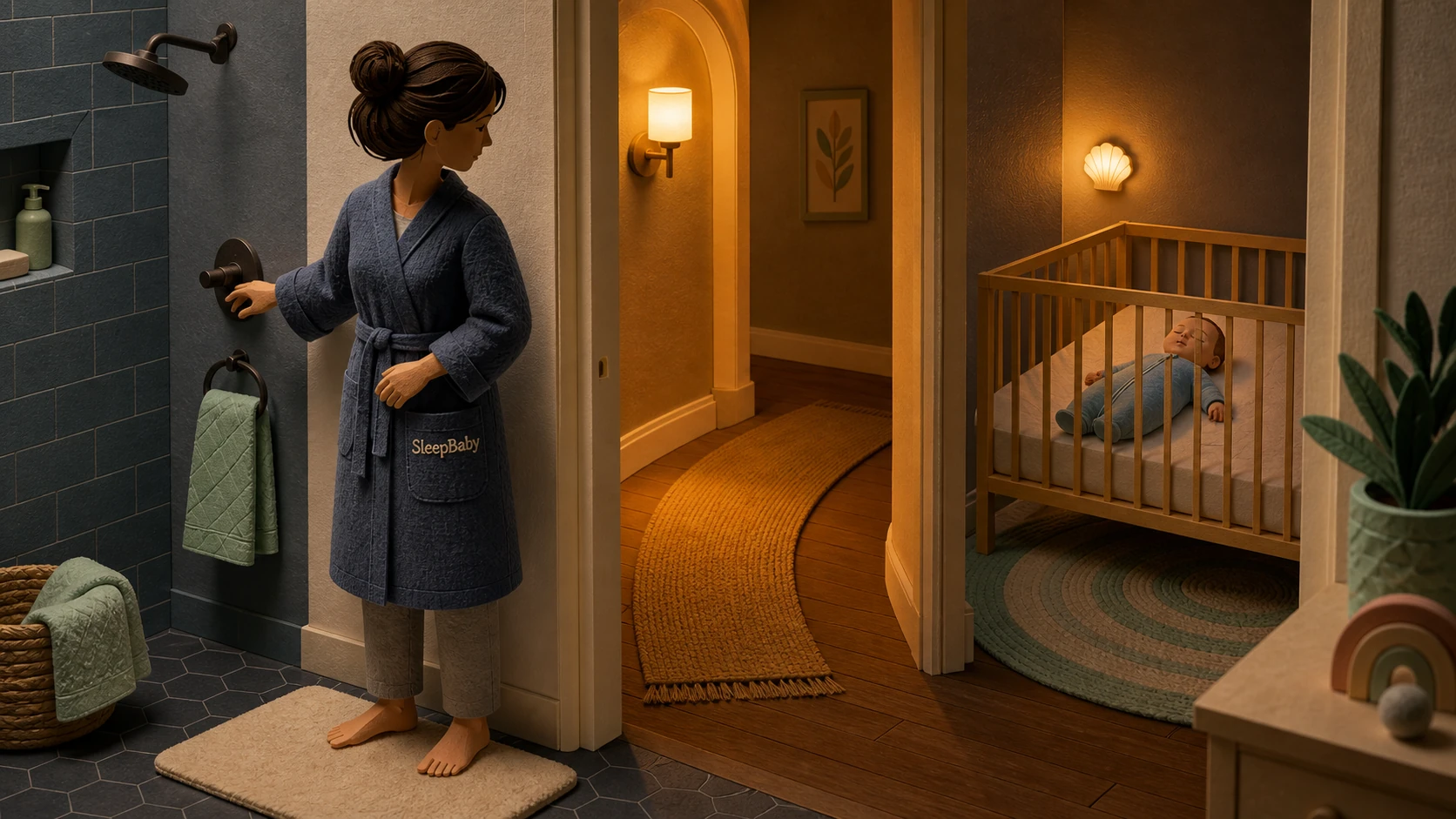
You do not have to stand guard beside the crib
Yes, you can shower while your baby sleeps if the sleep space is safe and you stay home
Put your baby on their back in a crib, bassinet, bedside sleeper, portable crib, or play yard that meets current CPSC requirements. Use the firm, flat, non-inclined mattress or pad specified for that exact product, with its fitted sheet only. Stay inside the home. Then take your normal short shower. An audio or video monitor can help you notice a wake-up, but the monitor is optional. The safe sleep setup and the adult remaining home are what matter.
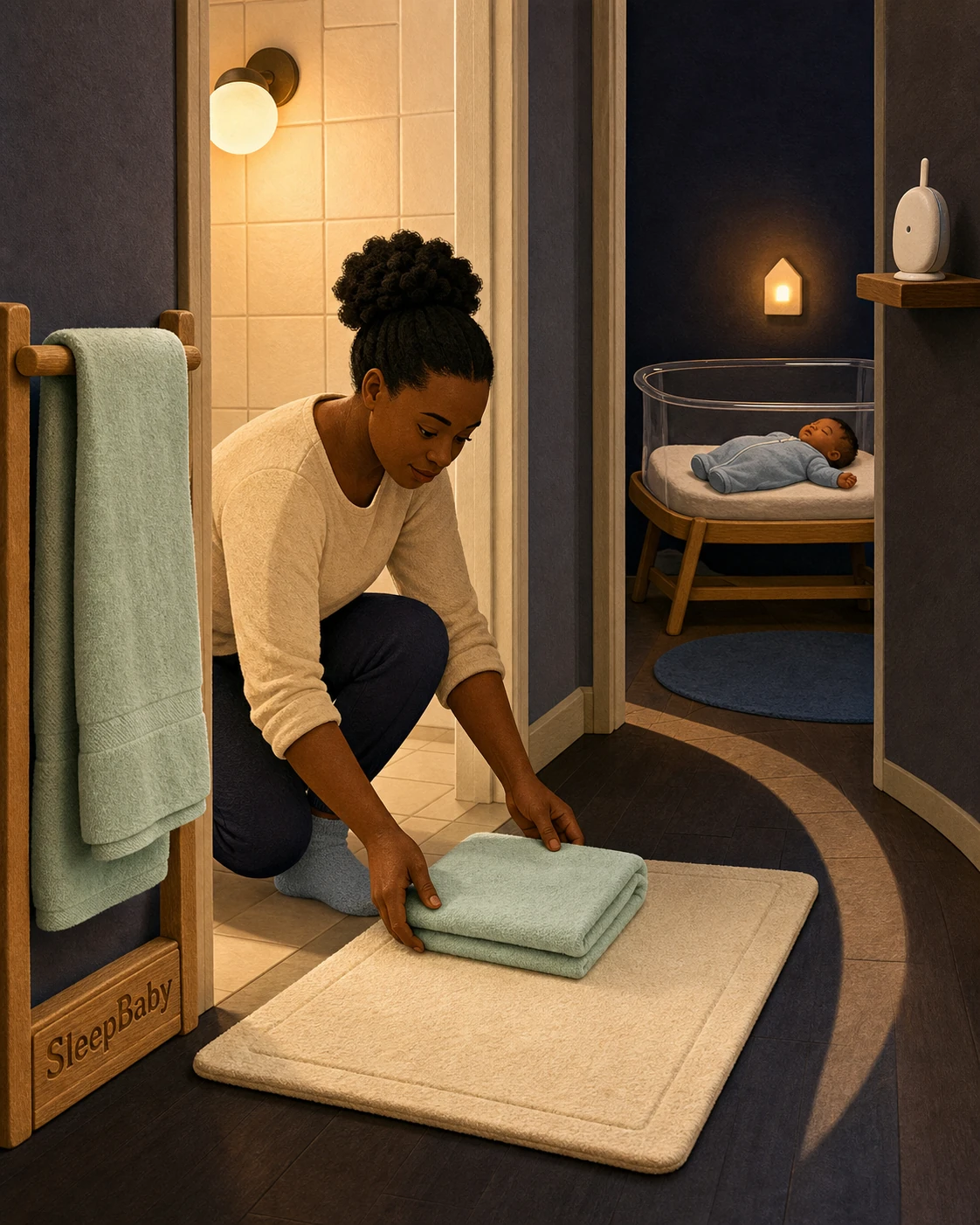
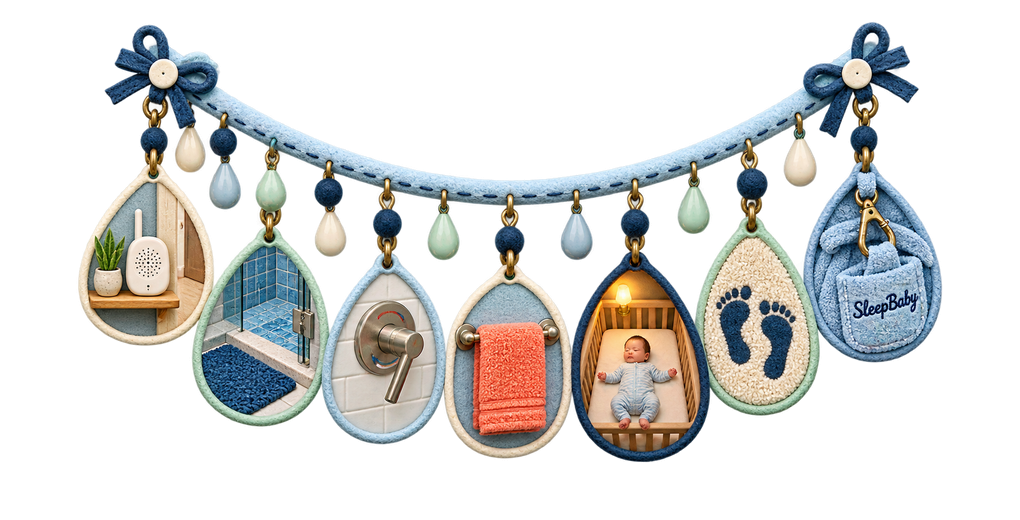
Before you turn on the water, take one minute to check the sleep space, put a towel and dry bath mat within reach, and clear the path back to your baby. That gives you a calm exit if you hear crying halfway through rinsing shampoo. A brief cry from a baby who is safe in the crib is not a reason to sprint across wet tile.
I would not use a stopwatch as if minute 16 suddenly changes the physics of the crib. The American Academy of Pediatrics gives 15 minutes for a shower as an example of a useful break when a child is in a safe place or with another caregiver. Treat that as a practical example, not a magic cutoff or guarantee.
Before the water runs, make these six things boringly clear
The safest shower plan is pleasantly unglamorous. You do not need a special nap, an expensive tracker, or confidence that your baby will stay asleep. You need a safe place for the baby and a dry, uncomplicated way for you to respond.
-
1. Baby is on the back in a real sleep product
Use a crib, bassinet, bedside sleeper, portable crib, or play yard that meets current CPSC requirements. Use the mattress or pad specified for that exact product; do not add an aftermarket mattress or extra padding.
-
2. The fitted sheet is the only thing in the sleep space
No pillows, blankets, stuffed toys, loungers, positioners, bumpers, monitor units, cords, or loose fabric. A sleep sack is clothing; a loose blanket is not.
-
3. Baby is not sleeping in a sitting or soothing device
If the nap began in a car seat, swing, bouncer, stroller, carrier, or lounger, move your baby to the regular safe sleep surface before you shower.
-
4. You are staying inside the home
A monitor does not make it safe to leave for the mailbox, lobby, trash room, dog walk, or car. Showering in another room is different from leaving the baby home alone.
-
5. Towel, clothes, and a dry step-out spot are ready
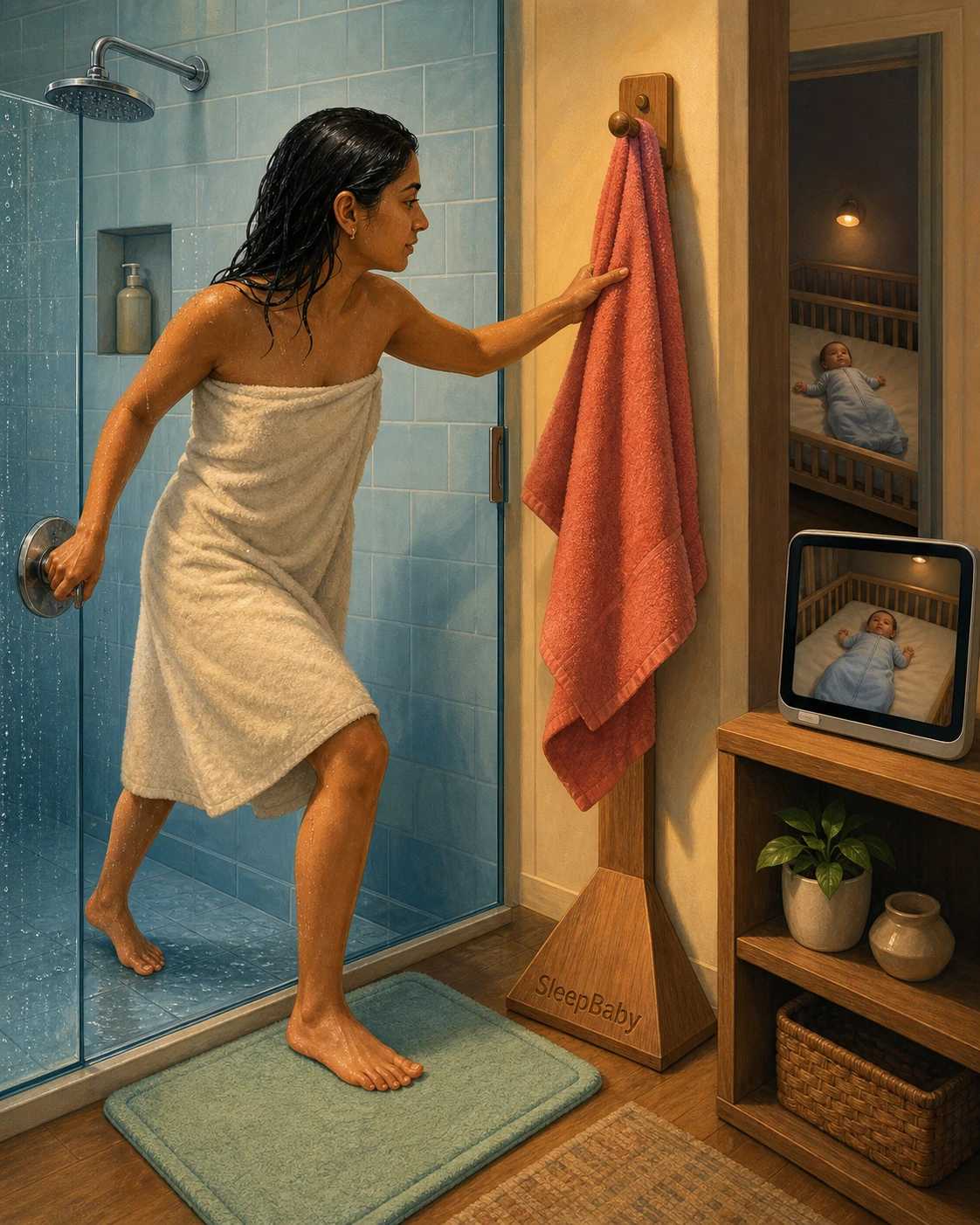
Put the bath mat flat, place the towel where you can grab it, and move laundry or toys out of the route. The boring setup prevents the frantic wet-footed dash.
-
6. Any monitor stays dry and well away from the crib
Keep monitor and electrical cords at least 3 feet from every part of the crib, bassinet, or play yard. Keep the parent unit outside the wet shower area.
If those six checks pass, I would shower. You need a correct sleep setup and a calm way to notice and respond to a wake-up, not constant screen-watching or a consumer breathing tracker. If your baby’s clinician prescribed monitoring or a different care plan, follow that plan.
Build the plan around a possible wake-up, not a perfect nap
The most useful question is not, “Will my baby sleep for the whole shower?” No parent, schedule, app, or wearable can promise that. Ask, “If the nap ends in two minutes, can I get out safely and respond?” When the answer is yes, a short nap is inconvenient, not a failed safety plan.
This takes some pressure off nap math. You do not have to wait for the deepest-looking part of sleep, restart a wake-window calculation, or delay basic care until the monitor graph looks ideal. Start with the safe sleep check, keep the shower ordinary, and accept that you might finish rinsing with one hand on the faucet and a baby complaining down the hall.
Keep the first attempt simple if showering during a nap makes you anxious. Set out everything before the nap, use the bathroom closest to the nursery, and skip the long hair routine. Once you see that you can hear or check on a normal wake-up and walk back without rushing, the routine usually feels less like a test.
There is also no safety prize for cutting the shower so short that you remain panicked and soapy. HealthyChildren’s 15-minute example is permission to take a brief care break, not a command to use all 15 minutes and not a countdown that makes minute 16 dangerous. The length should fit the baby, your home, and your own physical steadiness.

Where should your baby sleep while you shower?
Leave your baby in the same safe sleep space you would use for any other nap. There is usually no benefit to moving a sleeping baby into the bathroom. Relocation adds another transfer, another chance to wake them, and a damp room full of cords, toiletries, hard surfaces, and water.
The AAP recommends a separate infant sleep space in the parents’ room, ideally for at least the first six months. That recommendation is about where the usual sleep space is located; a brief shower in another room does not require moving the bassinet into the bathroom or remaining within arm’s reach for every minute of sleep. Keep your baby in the normal safe sleep space and stay inside the home. If that distinction is the part making you hesitate, our guide to how long babies sleep in a parent’s bedroom explains what room sharing does and does not require.
Use the sleep surface, not the device that happened to make baby drowsy
Appropriate sleep space
Crib, bassinet, bedside sleeper, portable crib, or play yard
Firm, flat, level mattress. Fitted sheet only. Baby starts on the back. The exact product is used within its age, size, and assembly instructions.
Move baby before you shower
Car seat, swing, bouncer, lounger, stroller, carrier, sofa, or adult bed
These are not substitutes for a regular infant sleep surface. Move a sleeping baby to the safe sleep space as soon as practical, then begin your shower.
Back sleeping does not increase choking risk, including for babies with reflux. Do not prop the mattress, use a wedge, or turn a baby onto the side because you will be in another room. If your child’s clinician has given individualized medical instructions, follow those rather than a general article.
Make the response route work in your actual home
In a small apartment, the route may be five steps and you may hear a cry without a monitor. In a two-story home, use the shower on the same floor when that is practical, or carry a dry parent unit to the bathroom doorway. In either case, leave interior doors positioned so you can move through them easily and keep keys or childproof locks from trapping you on the wrong side.
Running water, a fan, white noise, and thick doors can hide ordinary sounds. Test the audio once while another adult stands near the crib, or check the monitor volume from the dry side of the bathroom. This is a convenience check, not a medical test. You are making sure the signal is useful, not proving that a device can detect every breathing problem.
Move trip hazards before the nap if you can. Put pets behind a gate if they crowd your feet, keep an older sibling out of the wet room unless another adult is supervising, and leave your phone somewhere dry rather than on the tub edge. If a delivery arrives, it can wait. The shower plan only covers moving between the bathroom and your baby’s safe sleep space inside the home.
What a baby monitor can do, and what it cannot
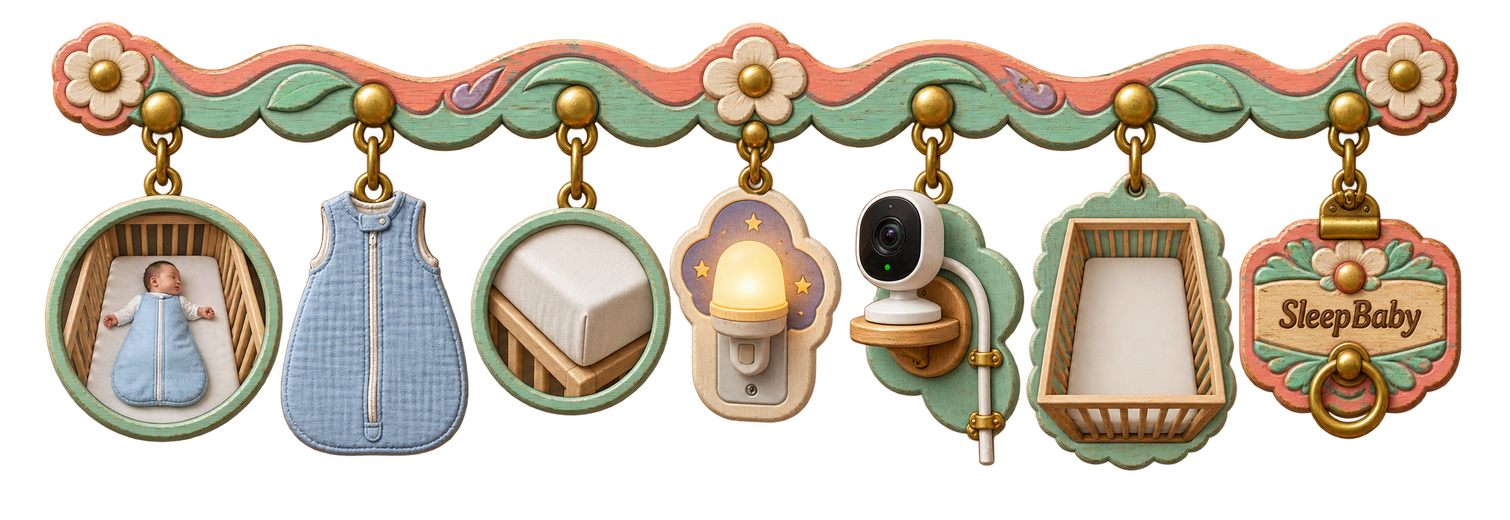
A basic audio or video monitor can make showering more convenient. It may let you hear a cry, see that your baby has woken, or notice that a nap ended sooner than expected. If the shower and exhaust fan drown out the monitor, you can turn the volume up before you step in or place the dry parent unit where you can hear it from outside the splash zone.
The monitor is not what makes the shower safe. Consumer breathing, oxygen, heart-rate, or movement trackers have not been shown to reduce the risk of SIDS. They should not create permission for an inclined sleeper, loose bedding, prone placement, a face-covering blanket, or leaving the home.
Useful convenience
It can help you notice a wake-up
- Carry sound from the nursery.
- Show whether the baby is awake or still resting.
- Help you decide whether to finish rinsing or step out.
Not a safety substitute
It cannot repair an unsafe setup
- Consumer breathing, oxygen, heart-rate, and movement trackers have not been shown to reduce SIDS risk.
- It does not supervise a baby while you leave home.
- It does not make a bouncer, swing, lounger, sofa, or adult bed safe for sleep.
If alerts make you check the screen every 20 seconds, the device may be adding work rather than removing it. Our guide to interpreting baby monitor alerts explains why an alert is one clue, not a diagnosis or a replacement for your own observation.
What should you do if your baby wakes while you are soapy?
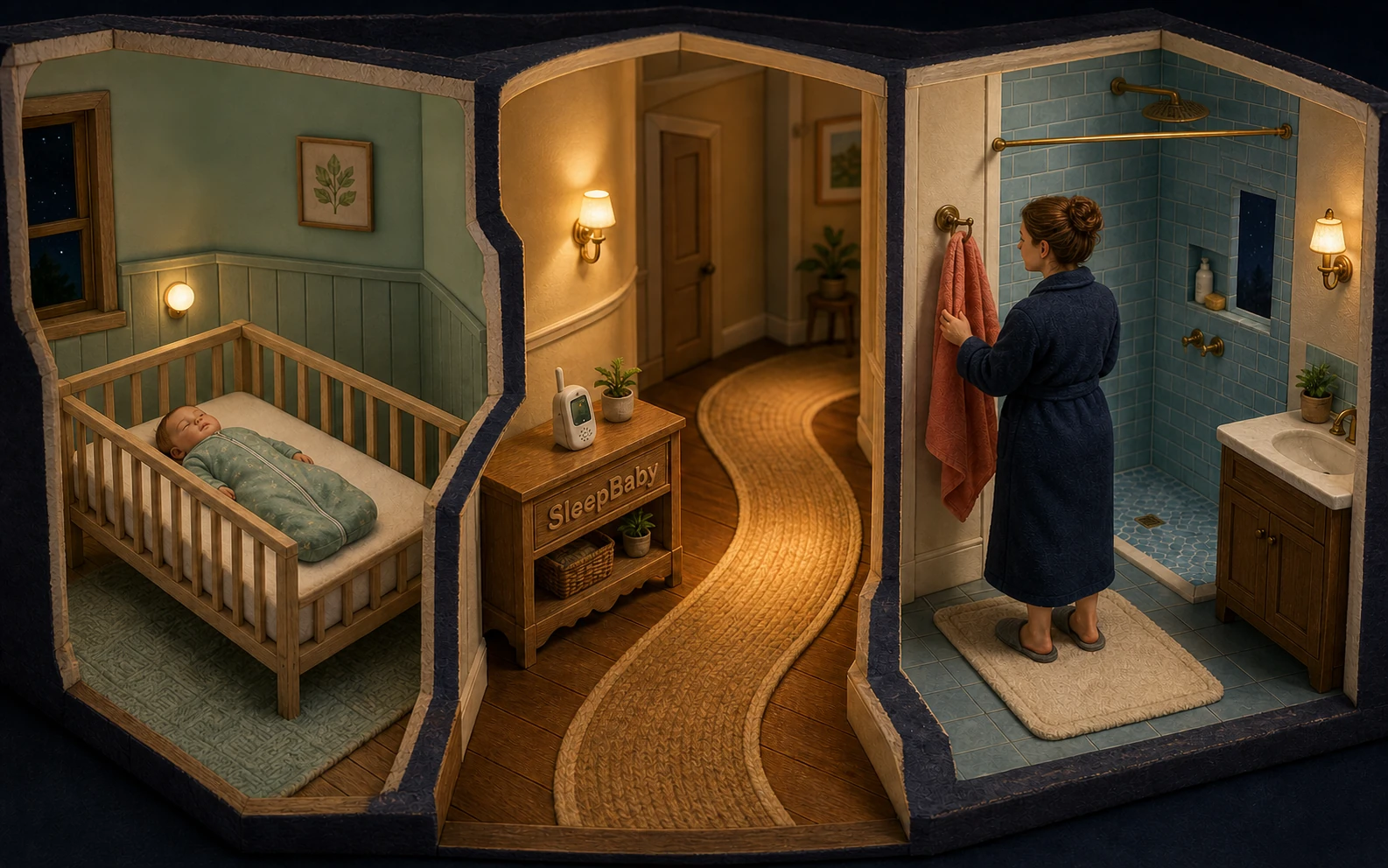
Turn off the water. Step onto the dry mat. Towel enough that you can walk without slipping, then go to your baby. Take the few moments needed to get solid footing; do not turn a wake-up into a fall on wet tile.
Crying communicates a need, but it does not automatically mean an emergency. I would rather a parent take the few seconds needed for a safe exit than sprint while dripping and create a second problem. Respond promptly and calmly, then check what your baby needs.
AAP guidance for an overwhelmed caregiver says it is appropriate to place a baby in a bare crib or play yard and step away for 10 to 15 minutes while the adult calms down. That guidance is not a shower stopwatch and it is not a rule to ignore crying. Its useful point here is narrower: a baby in the safe space can remain there while you take the moments needed to turn off the water, get your footing, and respond without falling.
The safe exit is four ordinary moves
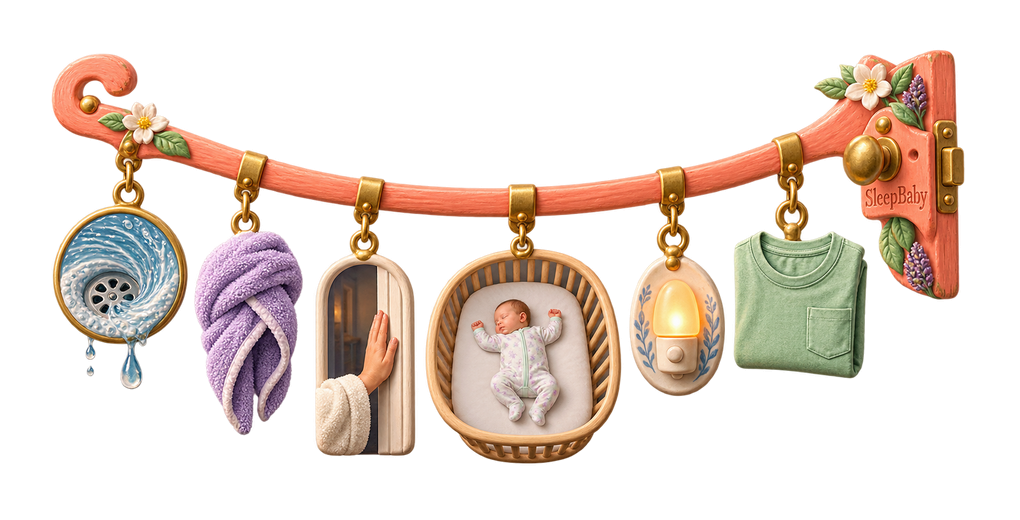
Water off, dry feet, towel on, then respond
- 1. Stop the water.
Make the wet area still before moving quickly. - 2. Plant both feet.
Step onto the flat dry mat, not a loose towel. - 3. Towel enough to walk.
You do not need to finish dressing. - 4. Go to your baby.
Check the cry, breathing, color, temperature, and likely need.
If your baby is having trouble breathing, is unresponsive, looks seriously ill, or you believe the situation is an emergency, get to the baby safely and seek emergency help. If a young infant has a fever or an unusual, inconsolable cry, contact the child’s clinician promptly.
Rolling and standing change the crib check, not your right to shower
Always place a baby down on the back at the start of sleep. If your baby can comfortably roll from back to stomach and stomach to back and then changes position alone, the AAP says you do not need to keep turning them back. Keep the crib completely clear so there is no pillow, blanket, bumper, toy, or monitor for a rolling baby to press against.
Stop swaddling when your baby shows signs of trying to roll. A properly sized sleep sack that leaves the arms free can be used as clothing when the product fits and your baby’s crib instructions allow it. Avoid weighted swaddles, weighted blankets, and weighted sleep sacks. None of those products becomes safer because you are checking a camera.
When a baby can push up, sit, pull to stand, or climb, lower the mattress on the schedule in the crib manual and remove mobiles or anything reachable from inside. Monitor cameras and cords still stay at least 3 feet from every edge of the sleep space. A curious standing baby can turn a cord that looked distant last month into a strangulation hazard today.
The basic shower decision remains the same through those changes: use an age-appropriate safe sleep product, keep it empty, stay inside the home, and maintain a safe way back. Development changes the details you inspect. It does not require you to remain beside the crib through every nap.
If your baby only contact naps, or is already awake, this becomes a different plan
You cannot take a shower while holding a sleeping baby. You also should not place a baby asleep in a bouncer, swing, car seat, lounger, or on the bathroom floor simply because that device fits near the shower.
If your baby wakes the moment you set them down, you have three reasonable choices: try again later in a safe sleep space, shower while another responsible adult is present, or place an awake and content baby in an age-appropriate safe space such as the crib or play yard while you take a short shower. The baby may complain. That is a hard sound to hear, but it is safer than improvising with a slippery bathroom container.
An awake baby does not need a special bathroom seat so you can wash your hair. The usual bare crib or an age-appropriate play yard is the simplest contained place because a young baby may become drowsy while you are gone. Start them on the back, keep the space free of loose bedding and soft objects, and follow every height, weight, and mobility limit for that product.
Do not use shower time for tummy time. Tummy time is for an awake baby with an awake adult actively supervising. A play mat on the bathroom floor may look convenient, but the shower curtain, water, hard fixtures, toiletries, and your divided attention make it a poor substitute for the normal contained space. If your child has outgrown the crib or play yard, use another responsible adult or a fully childproofed dry area that blocks access to the bathroom and water.
Once a child can crawl, pull up, climb, or reach bathroom fixtures, the setup changes again. An awake mobile child needs a childproofed dry zone and constant protection from the tub, shower, toilet, buckets, cleaners, cords, medications, razors, and hot surfaces. For the separate question of bathing together, use our guide to taking a baby in the shower. Do not treat sitting independently as a blanket permission slip for holding a wet, slippery baby under running water.
Your postpartum body gets a vote, too
If you feel faint, unsteady, short of breath, feverish, or unusually weak, do not shower alone while you are the only adult responsible for the baby. Ask someone to stay nearby, sit down, and get medical help when symptoms are concerning. A hot shower and wet floor are a bad place to discover that dizziness is getting worse.
Seek immediate medical care for urgent maternal warning signs such as chest pain, trouble breathing, fainting, a severe persistent headache or vision change, fever of 100.4°F (38°C) or higher, or heavy bleeding that soaks through one or more pads in an hour. These warning signs can matter during pregnancy and for up to a year after birth.
This is not a reason to fear every shower. It is a reason to make the plan fit the body you have today rather than the energy you think you should have.
The safety step that matters before the bathroom door closes
Clear the crib, then let the safe sleep space do its job
This official NICHD Safe to Sleep video shows the bare sleep environment to use while you shower. Watch for the practical reset: a firm, flat, level surface with only a fitted sheet, and baby placed on the back. The written guidance here remains complete if you do not play the video.
Watch “Clear the Crib to Reduce the Risk of Sleep-Related Infant Death” on YouTube if the privacy-enhanced player is unavailable.
Takeaway for this shower: you do not make the bathroom safer by bringing a sleeping baby closer. You make the nap safer by using the correct empty sleep space before you leave the room.
Questions that usually arrive with the towel
Can I shower while my newborn sleeps?
Yes. The same setup applies from the newborn stage: stay home; place your baby on the back in a safety-approved bassinet, crib, portable crib, play yard, or bedside sleeper; use a firm, flat, level mattress and fitted sheet only; and move a sleeping newborn out of a car seat, swing, bouncer, carrier, or lounger before you shower.
How long can I shower while my baby sleeps?
No AAP or government source sets a shower-specific time limit. HealthyChildren uses 15 minutes for a shower as an example of a helpful break when children are safe. A normal short shower is a practical choice, but there is no evidence-based minute when a safe crib becomes unsafe. Stay home and be able to respond.
Do I need to leave the bathroom door open?
Not for safe sleep. An open door may help you hear crying, but it can also release steam or noise through the house. Choose the door position that works for your home. The non-negotiables are the safe sleep space, your presence inside the home, and a safe route back.
What if my baby has reflux? Could back sleeping cause choking while I shower?
Back sleeping does not increase choking or aspiration risk, including for babies with reflux. Continue placing your baby on the back unless your child’s own clinician has given a different medical plan. Do not incline the mattress or use a positioner.
What if my baby rolls onto the stomach after I start the shower?
If your baby can roll both ways independently, you do not need to rush back and reposition them every time. Continue placing the baby on the back at the start of each sleep and keep the crib bare. If rolling is new, one-directional, or your baby has an individualized medical plan, ask the baby’s clinician what to do in your situation.
Should I bring the bassinet into the bathroom?
Usually no. Leave the bassinet in its normal safe location. If you choose to move a portable sleep product, move and use it only in the way its manufacturer permits, fully assembled and on the specified base or stand. Do not place a detached sleep attachment directly on the floor unless its instructions expressly allow that use. Keep the product outside the wet area and away from water, cords, and heat. Official guidance does not establish bathroom steam as a congestion treatment, so do not relocate a sleeping baby for that reason.
Is it okay if my baby cries for a minute while I get out?
Yes, when your baby is in the safe sleep space and not showing an urgent symptom. Turn off the water, step onto the dry mat, towel enough to walk safely, and respond. Trouble breathing, unresponsiveness, a seriously ill appearance, or another situation you believe is an emergency changes the response. Contact the child’s clinician promptly for a fever in a young infant or an unusual, inconsolable cry.
Can I use a breathing or oxygen monitor so I can relax in the shower?
You may use a monitor according to its instructions, but do not treat it as SIDS prevention or a replacement for safe sleep. Keep the device and its cords outside the crib and away from water. If the monitor makes you feel unable to shower without watching every number, discuss that anxiety and the device’s role with your baby’s clinician.
What if I live in an apartment and need to step into the hallway?
Do not leave the baby alone inside the home, even for a quick errand and even with a monitor. Showering in another room keeps you in the home. A hallway, lobby, laundry room, trash chute, parking area, or front step may put a locked door or too much distance between you and your baby.
Sources
- American Academy of Pediatrics, HealthyChildren.org: Is It OK to Need a Break From My Kids?
- American Academy of Pediatrics: Sleep-Related Infant Deaths, Updated 2022 Recommendations
- HealthyChildren.org: A Parent’s Guide to Safe Sleep
- U.S. Consumer Product Safety Commission: Safe Sleep
- NICHD Safe to Sleep: Safe Sleep Environment
- U.S. Consumer Product Safety Commission: Baby Monitor Cord Safety Alert
- HealthyChildren.org: How to Calm a Fussy Baby
- American Academy of Pediatrics: Prevention of Drowning, 2026 Policy Statement
- CDC Hear Her: Urgent Maternal Warning Signs
When nap time has to hold one small human need
Keep the safe crib, take the shower, and make the next sleep decision smaller
A towel on the hook and a baby asleep in a bare crib should not feel like competing emergencies. Once the setup is safe, you are allowed to use the quiet. And when sleep itself is the part that keeps collapsing, a clear household plan helps more than another hour spent watching the monitor.
SleepBaby can help you sort the next bedtime or nap decision without promising a perfect schedule, selling fear, or asking you to ignore what your baby is showing you.






What viewers said10 comments · 4 replies+
Archived comments from the original Baby Sleep Miracle presentation. Not independently verified by SleepBaby.org; individual experiences vary.
Thank you so much for this video! I had no idea about the dangers of baby swings :O
Hi Mary-Ann. I have a question: Is method in any way similar to the ones recommended by Dr Bucknam, Dr. Weissbluth or Dr. Karp? We tried those but none of them help.
Hi Regina, thank you for your question. The short answer is no. The techniques I share in my guide are based on newest scientific research and this is why I have never seen any approach similar to the one I recommend.
This method really works! I tried it on my son Jesus and after just one week he went from waking up more than 5 times a night to waking up just once or twice. You are a lifesaver, Mary-Ann!
I'm truly impressed with how much information you share in your video. And all for free! I can feel that you truly care about mothers like myself, and that's hard to find these days. I have recommended your site to several of my friends already.
Mary-Ann, our child suffers from autism. Is your approach still suited?
Chloe, I made sure my method can be used with any child, even babies who are special like yours. Please note that I'm not a doctor and that I always advice to consult with your physician because nothing is more important than the safety and well-being of your love.
Hallo Mary-Ann, I'm from Germany. Do you have your guide in German?
Hello Heide, we do! Normally you should already see our video in German. If not, please contact our support so they can guide you
Thenk you for your answer, Mary-Ann!
I just completed your approach and I have to say, it worked almost too well. Yes, it took a bit of getting used to with your bedtime routine but the difference is huge. My son George used to take 1 hours to go down and now he's firmly asleep in no more than 10 minutes! You're the best!
It seems I'm the only man watching this video, lol! What you shared about the 'emotional backpack' made immediate sense to me and I can't wait to help my little girl Mila to unpack it!
Hey there, just discovered your site and this really sounds different. Just wanted to say thanks for sharing :)
For everyone who's still thinking about getting Mary-Ann's guide I want to advise you to go ahead. I wasn't sure myself but now I'm so thankful I invested in this program. It made a huge difference in our life as a family and yes, my baby girl does sleep through the night now.