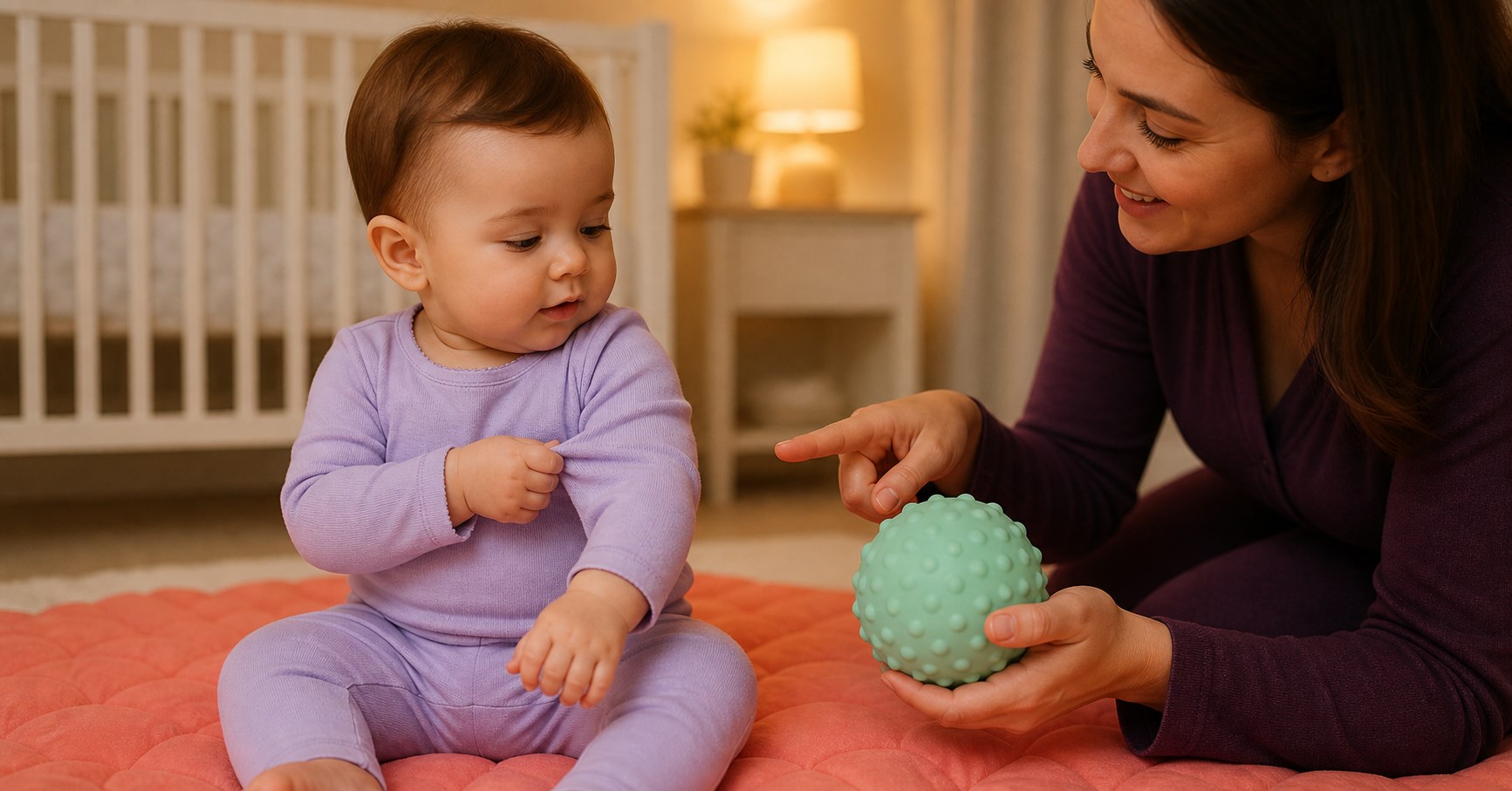
If you’ve noticed that your baby often pinches herself, you may be feeling concerned. Rest assured, this is often just a part of infant development. In this article, we’ll delve deeper into the reasons why your baby might be pinching herself and what you can do about it.
Why Does My Baby Pinch Herself?
Babies explore their environment primarily through touch, and pinching is a part of this exploration process. From understanding their body’s response to different sensations, learning control over their tiny fingers, to self-soothing, babies pinch for various reasons.
The Sensory Development Aspect
Often, babies pinch themselves or others to understand the sense of touch. It’s their way of exploring the world around them and discovering their capabilities.
Seeking Attention
Babies could also resort to pinching when they are trying to grab your attention. If your baby gets a reaction from you when she pinches herself, she might continue to do so.
How to Respond When Your Baby Pinches Herself
If your baby’s self-pinching is causing distress or if it’s leading to self-injury, there are a few strategies you can implement to help.
Distraction
Try to divert your baby’s attention when you see her starting to pinch herself. This could involve giving her a toy or engaging her in a different activity.
Teaching Gentle Touch
Help your baby understand the concept of ‘gentle touch’. This can be done by guiding her hand to stroke a pet gently or touch a soft toy.
Why Babies Pinch: The Basics
At what age do babies start pinching?
Babies typically start to pinch around 6 to 9 months, when their fine motor skills develop enough to allow them to grasp small objects or pinch with their fingers.
Why does my baby keep pinching herself?
Babies often pinch themselves or others as a way to explore their environment, test their strength, or comfort themselves. This can also be a sign of tiredness or restlessness.
Why do babies pinch when tired?
Pinching can be a form of self-soothing, a way for babies to manage the discomfort or restlessness they may feel when they’re tired.
Managing Baby’s Pinching
How do I stop my baby from comfort pinching?
You can discourage comfort pinching by offering a distraction, such as a toy or blanket. Encouraging your baby to use a pacifier or a soft toy can help them to find alternative methods of self-soothing.
How do you discipline a child for pinching?
When your child is old enough to understand simple instructions (usually around 2 years old), you can begin to explain that pinching hurts and is not nice. Use a calm, firm tone and be consistent.
How do I get my baby to stop twiddling?
Twiddling is similar to pinching in that it is often a self-soothing behavior. Distracting your baby with a toy or involving them in a new activity can help stop twiddling.
Pinching and Breastfeeding
Why does my baby pinch me while breastfeeding?
Babies may pinch while breastfeeding to get a reaction, to keep themselves awake, or as another method of self-soothing.
What if my baby bites while breastfeeding then laughs?
Biting during breastfeeding is often a sign that your baby is teething. If they laugh afterwards, it’s likely because they are enjoying your reaction.
Self-Soothing and Comfort Pinching
Should I stop my baby from self-soothing?
While it’s important to encourage healthy self-soothing habits, you may need to guide your baby towards alternatives if they’re using potentially harmful behaviors like pinching.
How long should you let a baby self soothe?
This varies by age and individual child, but generally, you can begin to let your baby self-soothe for a few minutes at a time around 4 to 6 months of age.
Why does my child pinch for comfort?
Comfort pinching is a self-soothing behavior. If your child is often stressed or anxious, they may use pinching to calm themselves down.
Understanding Sensory Behavior in Babies
Can babies pick up on your energy?
Babies are highly attuned to their caregivers’ emotions and can often sense stress or tension, which may cause them to react with behaviors like pinching.
Can babies sense mom in the room?
Yes, babies can recognize their mother’s scent, voice, and even her presence in a room, which can affect their behavior and emotional state.
Pinching and Autism: What Parents Should Know
Do autistic kids pinch?
Some children with autism might pinch or exhibit other sensory-seeking behaviors, though it’s important to remember that pinching alone is not indicative of autism.
What is self-soothing in autism?
Self-soothing in autism can involve a variety of behaviors, such as rocking, spinning, or pinching. These are often a way for the child to regulate sensory input or emotions.
How do I know if my child is not autistic?
While an evaluation by a professional is necessary for a definitive diagnosis, lack of social interaction, delayed language skills, or repetitive behaviors are common signs of autism. However, not all children displaying these behaviors will have autism. It’s always best to consult a medical professional if you’re concerned about your child’s development.
SleepBaby.org: Your Partner in Baby Sleep Training
It’s important to understand that pinching, especially during sleep, can be a self-soothing mechanism. Some babies may pinch themselves to fall back asleep or navigate through sleep cycles. If you’re struggling with your baby’s sleep habits, SleepBaby.org can be a wonderful resource. With expert tips and strategies, they can help you establish healthy sleep habits for your baby, reducing the need for self-soothing actions like pinching. Embrace the journey of parenthood with confidence with SleepBaby.org.
Conclusion
While it can be distressing to see your baby pinch herself, understanding the reasons behind it can help you respond better. Remember to seek professional advice if the behavior causes harm or doesn’t decrease over time. You’re doing a great job, and every challenge you face is making you an even better parent.






What viewers said10 comments · 4 replies+
Archived comments from the original Baby Sleep Miracle presentation. Not independently verified by SleepBaby.org; individual experiences vary.
Thank you so much for this video! I had no idea about the dangers of baby swings :O
Hi Mary-Ann. I have a question: Is method in any way similar to the ones recommended by Dr Bucknam, Dr. Weissbluth or Dr. Karp? We tried those but none of them help.
Hi Regina, thank you for your question. The short answer is no. The techniques I share in my guide are based on newest scientific research and this is why I have never seen any approach similar to the one I recommend.
This method really works! I tried it on my son Jesus and after just one week he went from waking up more than 5 times a night to waking up just once or twice. You are a lifesaver, Mary-Ann!
I'm truly impressed with how much information you share in your video. And all for free! I can feel that you truly care about mothers like myself, and that's hard to find these days. I have recommended your site to several of my friends already.
Mary-Ann, our child suffers from autism. Is your approach still suited?
Chloe, I made sure my method can be used with any child, even babies who are special like yours. Please note that I'm not a doctor and that I always advice to consult with your physician because nothing is more important than the safety and well-being of your love.
Hallo Mary-Ann, I'm from Germany. Do you have your guide in German?
Hello Heide, we do! Normally you should already see our video in German. If not, please contact our support so they can guide you
Thenk you for your answer, Mary-Ann!
I just completed your approach and I have to say, it worked almost too well. Yes, it took a bit of getting used to with your bedtime routine but the difference is huge. My son George used to take 1 hours to go down and now he's firmly asleep in no more than 10 minutes! You're the best!
It seems I'm the only man watching this video, lol! What you shared about the 'emotional backpack' made immediate sense to me and I can't wait to help my little girl Mila to unpack it!
Hey there, just discovered your site and this really sounds different. Just wanted to say thanks for sharing :)
For everyone who's still thinking about getting Mary-Ann's guide I want to advise you to go ahead. I wasn't sure myself but now I'm so thankful I invested in this program. It made a huge difference in our life as a family and yes, my baby girl does sleep through the night now.