
THE ANSWER IN 20 SECONDS
It is common—especially in the newborn months—for a baby to settle on a caregiver and wake when put down. You have not broken independent sleep, and one contact nap has not created a permanent habit.
- Fully awake? Hold, feed, soothe, and enjoy the closeness while actively supervising.
- Might doze? Put your baby on their back in their own approved firm, flat, empty sleep space. Never use a sofa or armchair as the backup plan.
- Ready to practice? Choose one sleep and try one calm transfer. You do not have to end every contact nap tonight.
A safe put-down that wakes your baby is still a successful safety decision.
SleepBaby.org · Awake-or-Down plan
Tonight is not a referendum on every cuddle your baby has ever taken. This guide stays with the whole held-sleep problem—baby asleep on your chest, curled in your arms, or dozing against another caregiver—and solves the next three decisions: what is realistic at this age, how to protect an exhausted adult from accidental sleep, and how to add one usable crib or bassinet handoff without turning the evening into a twelve-experiment science fair.
Start here: the Awake-or-Down Rule
I am starting with the sofa sentence because an exhausted mother deserves a rule she can use with one eye open—not a paragraph she has to interpret while a warm baby is breathing against her collarbone.
If I am fully awake, I may hold and soothe. If I may doze, baby goes down.
The American Academy of Pediatrics’ safe-sleep policy recommends a separate infant sleep surface that is firm, flat, non-inclined, and free of soft or loose items, with the baby placed on their back for every sleep. The AAP also says couches and armchairs should never be used for infant sleep. Its supporting evidence review reports a 22- to 67-fold increased risk of infant death when an infant sleeps on a couch or armchair. [1] [2] [7]
The U.S. Consumer Product Safety Commission gives the practical destination: a crib, bassinet, play yard, or bedside sleeper intended for infant sleep; baby on their back; a fitted sheet only; no pillows, blankets, bumpers, positioners, loungers, or toys. CPSC also says to move a baby to one of those sleep products if the baby falls asleep elsewhere. [3]
I do not want a mother measuring her love by how long she can override her own biology. Staying awake is not a character test. Willpower may begin the night sounding very confident. Sleep deprivation usually gets the last word.
SleepBaby.org · The original video
A little help
for the night ahead.
Take a moment to watch the original Baby Sleep Miracle presentation. Your article will be right here when you’re ready to keep reading.
Ready to get started?Take the next step with SleepBaby.
Help my baby sleepTHE AWAKE-OR-DOWN NIGHT MAP
Two paths. No tired bargaining.
I am fully awake
Hold, feed, soothe, and actively supervise. Keep baby’s face clear and body supported.
I might doze
Baby goes on their back in their own firm, flat, empty infant sleep space.
Sofa or armchair? Never the backup plan.
SleepBaby.org · Choose by caregiver alertness
A clearly disclosed SleepBaby composite: The next scene blends ordinary details caregivers often describe. It is not a named parent’s testimony or a claimed firsthand memory.
At 2:14 a.m., she is sitting beside the bassinet with one foot numb and a burp cloth tucked under her elbow. Her baby’s cheek has left a warm damp comma on her shirt. One sock is missing. The tea on the nightstand has become a room-temperature witness.
The phone is pinned under her thigh with the same paragraph open. She has read it three times and kept none of it. She needs the bathroom. She wants ten minutes in which no part of her body belongs to somebody else, and then feels guilty for wanting exactly that.
The baby is finally loose-limbed against her chest. She loves the weight and also needs the bassinet to work. Both things are true. Then she notices that her thumb has stopped scrolling and the last minute has gone fuzzy.
She stands, supports the baby’s head and neck, and places the baby on their back in the empty bassinet. The baby opens both eyes and cries before her hands have fully left.
The transfer did not produce sleep. It did produce safety. That counts.

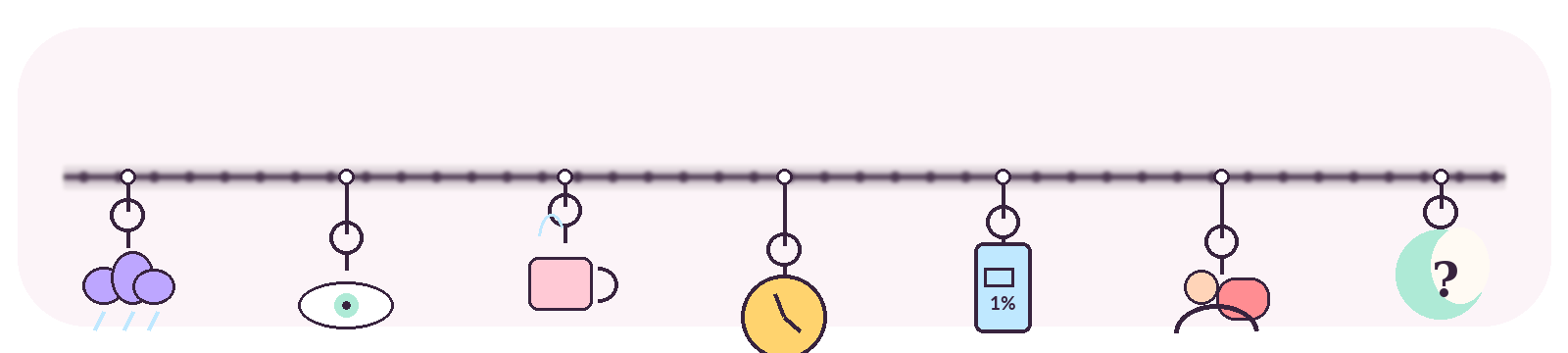
Why your baby wakes when put down—and why the mattress feels like a plot twist
A transfer changes almost everything at once. In your arms, your baby has warmth, steady pressure, your breathing, tiny movements, familiar sounds, and hands that keep adjusting every wiggle. During a put-down, the angle changes, movement stops, pressure spreads across a new surface, the limbs have more room, and your hands eventually disappear. The companion guide on why a baby wakes while being lowered into the crib goes deeper on those body mechanics.
That does not prove your baby is manipulating you. It does not prove the mattress is “too cold,” that your scent must be added to the crib, or that one perfect wrist angle exists somewhere in a secret parent manual. Several cues can change together, and the baby may simply notice the pileup.
At noon, this same child may sleep through a dropped spoon. At 2:14 a.m., the fitted sheet clears its throat and both eyes open.
The fitted sheet clears its throat. Asleep in arms. The handoff. Both eyes open: ahem. The wake-up is information, not a verdict on your future.
Notice when the wake happens
Sometimes the transfer itself is the obvious trigger. Sometimes the baby was already moving toward lighter sleep and the transfer happened to arrive at the same moment. The distinction matters because it keeps you from endlessly refining the move as though technique can cancel every normal stir.
WHERE DID THE WAKE HAPPEN?
During lowering
The change in angle or movement may be the hardest cue.
When hands leave
The loss of contact may be the clearest cue.
Several minutes later
The transfer may have worked; the later stir can be a separate transition.
SleepBaby.org · One wake point, one next experiment
Your notes do not need to become a laboratory. One honest line—“woke while lowering,” “woke when hands left,” or “slept eight minutes”—is enough to choose the next small experiment. The baby is not grading your technique; you are simply locating the part of the handoff that deserves attention.
What contact sleep can look like by age—without making a birthday a deadline
Safe-sleep rules do not change with age during infancy. Expectations about settling can. I use age as context, not as a timer counting down to when a baby is supposed to stop needing arms.
Birth to about 3 months: protect the basics
The AAP’s parent guidance notes that newborns may sleep only one or two hours at a time and do not have more regular sleep cycles until around 4 months. In this stage, frequent waking, feeding, and hands-on soothing can make independent naps feel less like a skill and more like a rumor. [4]
I would not make a newborn prove independence at every sleep. I would protect feeding, safe sleep, and caregiver stamina; keep the baby’s own sleep space ready; accept help; and practice a put-down when the adult has enough steadiness for it. A newborn who wakes on transfer has not failed “drowsy but awake.” That phrase is not a newborn entrance exam.
Around 4 to 6 months: add one repeatable practice
Sleep organization often begins to change around this period, but it does not flip on at midnight on a four-month birthday. The AAP’s “drowsy but awake” suggestion appears in guidance for babies 4 months and older. I read that as an optional skill to try—not a moral rule and not evidence that rocking, feeding, or holding has damaged anything. [4]
This can be a reasonable time to make one beginning-of-sleep pattern recognizable: the same brief wind-down, the same sleep clothing, the same safe space, and one chosen nap or first night stretch for practice. If a fully awake put-down brings only escalating distress, help more and practice the handoff first. Independence does not have to arrive in one dramatic scene.
About 6 to 12 months: target the pattern costing the most
An older infant can have a very strong opinion about where sleep begins. That still does not require a total ban on contact naps. Ask which part of the day is least sustainable: the first nap, the first night stretch, every post-feed put-down, or the fact that only one adult can complete sleep. If timing is part of the puzzle, the flexible 7-month sleep schedule shows how to test a two- or three-nap day without turning the clock into a verdict.
I would rather help a family repeat one calm, safe handoff than launch a whole-house campaign against cuddling at breakfast and abandon it in tears by lunch. Consistency can help. Perfection mostly sends invoices.

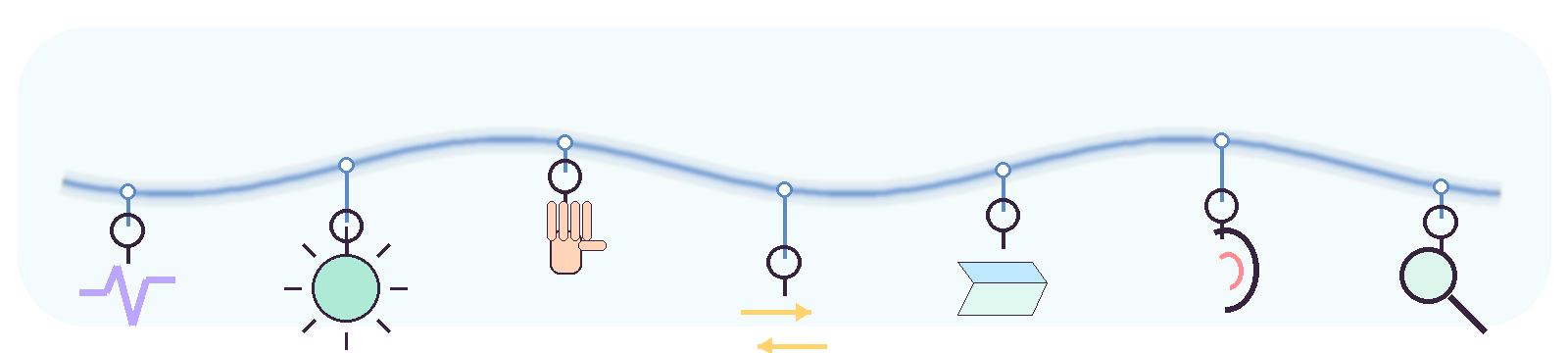
Build the safety plan before you are too tired to negotiate
“Just stay awake” is not a system. A system changes the room before tiredness becomes the loudest person in it.
BEFORE YOU SIT DOWN WITH THE BABY
- Clear the destination. The crib, bassinet, play yard, or bedside sleeper is ready now—not buried under folded laundry at 3 a.m.
- Name the handoff. If another adult is available, decide who takes over and what “I am fading” means.
- Pick your first warning sign. Head dip, rereading, grip change, or a missing minute is enough.
- Choose the exit in advance. When that sign appears, baby goes down even if the nap ends.
SleepBaby.org · The safer exit starts before the cuddle
Stage the baby’s sleep space first
Put on the fitted sheet, remove loose items, place the sleep product close enough to use, and keep the path to it clear. The bassinet has one job tonight. It cannot also be the household’s overnight laundry annex and expect your 3 a.m. self to excavate it with grace.
If another adult is available, agree on the handoff before the feed or cuddle starts: who takes the next stretch, what care the baby has already needed tonight, and the sentence that means the shift is over. “I am fading” is enough. Nobody needs to win a closing argument.
Name your personal “I’m done” signs
The AAP’s updated safe-sleep tips for sleep-deprived parents emphasize planning for tiredness, avoiding couches and armchairs, accepting help, and returning the baby to a crib or bassinet after an unplanned sleep. Add your own early-warning signs: [5]
- Your head dips or your eyes close without permission.
- You keep losing your place in a show, podcast, book, or phone screen.
- Your arms feel less precise or your grip changes.
- You cannot remember the last minute clearly.
- You start bargaining: “I will just close my eyes until the next song.”
The first sign is the cue. Do not wait for all five.
One sentence worth saying out loud: “I am afraid I will fall asleep holding the baby.” Tell a partner, relative, friend, pediatrician, postpartum clinician, or another trusted support person. That wording gives the problem its real size and gives the other person a job to solve.
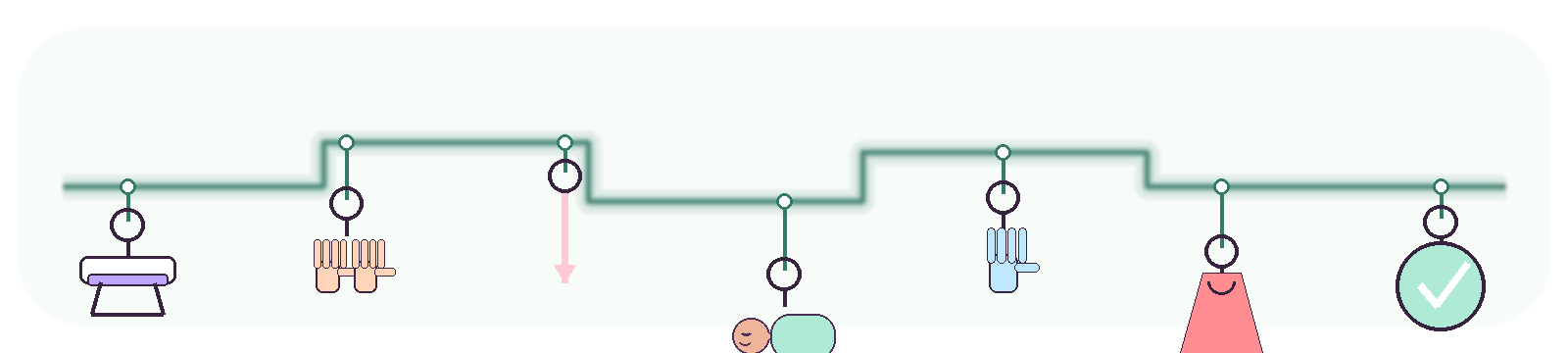
The transfer: Close, Lower, Linger
This is a comfort sequence, not a safety standard, medical protocol, or guaranteed trick. The safety destination stays the same no matter how the transfer goes: baby on their back in their own firm, flat, empty sleep space.
Prepare the destination
Use the baby’s normal sleep clothing. Clear the sleep space. Make sure the mattress and fitted sheet are dry and undamaged. Skip loose scent items, pillows, wedges, nests, positioners, rolled towels, and any product that is not meant for infant sleep. Do not pre-warm the mattress with a heating pad, hot-water bottle, or other warming device; an exhausted transfer does not need an extra heat source or another thing that must be remembered and removed. The guide to using a crib safely from birth covers the full room-and-surface setup.
1. Close
Bring the baby close to the sleep space before changing the baby’s angle. Keep the head and neck supported. Move your own body toward the mattress so the final distance is short; do not stretch over the rail with locked elbows and a prayer.
2. Lower
Lower slowly and in control. Place the baby flat on their back. Do not leave the baby curled on their side, propped at an angle, or positioned with an object. If the baby wakes, the safe position still matters more than preserving sleep.
3. Linger
Once the baby is flat on their back with the face clear, keep still hands in place briefly without pressing down or restricting movement. Then lighten contact and remove one hand, pause, and remove the other. A soft voice or quiet shush is fine. The point is to reduce the number of cues that disappear in the same second—not to pin the baby asleep.
SleepBaby.org · Close, Lower, Linger
There is no universal minute when a baby becomes “deep enough” to transfer. Waiting may help one baby and fail another, and waiting longer also requires a tired adult to remain awake longer. If you are drowsy, transfer now. Safety outranks timing.
Practice One Safe Win, not the entire future
A family can lose a whole day trying to fix every contact nap at once. I prefer a smaller experiment:
- Choose one sleep. The first nap or first night stretch may feel easier than the most depleted part of the day, but choose what fits your household.
- Use the same brief wind-down. Keep it recognizable, not elaborate.
- Try Close, Lower, Linger. One or two calm attempts are enough for a practice session.
- Record the waking point. During lowering, when hands leave, or several minutes later.
- Change one variable next time. Not seven. Tired families deserve to know what actually helped.
A win can be a ten-minute bassinet nap. It can also be noticing the exact moment the handoff falls apart. It can be learning that another alert caregiver completes the transfer more calmly. It can be stopping after one attempt because the adult’s patience or alertness is gone.
Progress is allowed to be ordinary.
Keep the sleep space gloriously boring on purpose
When a baby only sleeps on a body, the natural impulse is to make the crib more body-like. This is where unsafe ideas arrive wearing the costume of comfort.
Do not put a worn T-shirt, blanket, pillow, stuffed animal, rolled towel, positioner, wedge, nest, pod, bumper, or lounger in the sleep space. Do not incline the mattress. The AAP safe-sleep policy advises against weighted swaddles, weighted sleep sacks, and weighted blankets. The CPSC safe-sleep guidance says “Bare is Best”: a product intended for infant sleep, a fitted sheet only, and baby on their back. [1] [3]
In the sleep space
The product’s firm, flat, level mattress and its snug fitted sheet. Baby begins every sleep on their back.
Out of the sleep space
Pillows, blankets, wedges, loungers, positioners, toys, bumpers, nests, and weighted products.
SleepBaby.org · Boring is a safety feature
Swaddling does not change the destination
Some young babies settle more easily when swaddled, but swaddling does not make held sleep safe for a sleeping adult and does not replace a firm, flat, empty sleep surface. The AAP safe-sleep policy says that if you swaddle, use a non-weighted product, place the baby on their back, and stop when the baby shows signs of trying to roll. Follow your baby’s clinician for individualized instructions, especially after prematurity, a medical condition, or equipment use. [1]
Are contact naps a bad habit—or just the current fit?
One contact nap does not ruin independent sleep. A repeated pattern can become the baby’s strongest way of falling asleep, especially as the baby gets older, but a strong preference is not permanent damage.

I would ask two less judgmental questions:
Is it safe?
Can the caregiver truly remain awake, or is the family drifting toward accidental sleep on an adult, sofa, recliner, or armchair?
Is it sustainable?
Can caregivers eat, use the bathroom, recover physically, care for another child, and obtain protected sleep?
SleepBaby.org · Safe and sustainable are separate questions
If safety or sustainability is failing, begin one-sleep practice now rather than waiting for an arbitrary perfect age. If awake cuddles are working for your family, you do not have to eliminate every one of them to prove your baby can be independent.
When waking on transfer needs medical advice—not another sleep trick
This section is a no-joke zone. A baby who wakes on put-down is often dealing with an ordinary sleep transition. A baby who is hard to wake, not feeding normally, struggling to breathe, or changing color needs a different response.
If your baby was born early, has breathing or feeding concerns, needs special positioning, or uses medical equipment, follow the plan from the baby’s clinical team rather than a general transfer article.
If the caregiver is the person reaching the edge, that also deserves a real plan. Severe sleep deprivation can make alertness hard to judge. Ask for a protected sleep shift, tell the pediatrician or postpartum clinician what is happening, and put the baby in their safe sleep space even when it means the baby cries briefly while you regroup or call for help. A few minutes of protest in a safe space is not a moral failure.
A few questions that matter at 2 a.m.
Is it normal for a newborn to sleep only when held?
It is not unusual for newborns to settle more easily with hands-on soothing and wake during put-downs. Their sleep is brief and irregular, and feeding needs are frequent. Normalize the difficulty without normalizing adult dozing: whenever the caregiver may sleep, the baby needs their own safe sleep space.
Can my baby sleep on my chest or in my arms if I am awake?
The same boundary applies to chest sleep and arm sleep. The caregiver must be fully awake, actively holding the baby, supporting the head and neck, and keeping the nose and mouth unobstructed. This is awake caregiving—not an infant sleep surface and not a place for the adult to sleep. If alertness is uncertain, put the baby down.
Should I wait for “deep sleep” before transferring?
You can observe whether a later transfer works better for your baby, but there is no universal 10-, 15-, or 20-minute rule. Do not perform a “floppy arm” test or keep extending a contact nap when you are becoming sleepy. If your eyes are heavy, the correct transfer time is now.
What if my baby cries as soon as I put them down?
A cry at mattress contact does not mean the crib is harmful or that the transfer was pointless. If you are fully awake, pause briefly with still hands, then pick up and soothe if your baby needs you. Keep the practice small: one or two calm attempts, one sleep, one variable. If the baby seems painful, feeds poorly, vomits repeatedly, chokes, or has a sudden change from their usual pattern, move out of transfer troubleshooting and contact the baby’s clinician.
Do I have to do “drowsy but awake”?
No. It is one optional practice in AAP guidance for babies 4 months and older, not a requirement for newborns and not the only path to a usable sleep space. A family can first practice asleep-to-mattress transfers, then try increasingly awake put-downs later if that matches the baby’s age and the family’s goals.
When should contact naps stop?
There is no universal cutoff. Change the pattern sooner when the caregiver cannot reliably stay awake, the arrangement blocks essential functioning, or the family wants another way for sleep to begin. Keep some awake cuddles if they work. The goal is not to make your body unavailable; it is to make the baby’s own sleep space usable.
What if held sleep is only one part of a bigger sleep problem?
If the night also includes hourly waking, feeding questions, bedtime battles, very short naps, early mornings, or several different problems—not only contact sleep—use SleepBaby’s main baby-won’t-sleep guide to sort the broader pattern. Here, we stay with the held-sleep and transfer decision so you can leave with a plan for that exact problem.
Watch the one-minute safe-sleep reset
The official one-minute Safe to Sleep® video below comes from the Eunice Kennedy Shriver National Institute of Child Health and Human Development, part of the National Institutes of Health. It is a quick visual reset—not a substitute for the written plan above—and shows the safe destination described here: a separate infant sleep area, a firm mattress, nothing else in the sleep space, and baby placed on their back. [9]
Written takeaway: Contact is something an awake caregiver can give. The baby’s own firm, flat, empty sleep space is where the baby goes when the caregiver sleeps. Those two kinds of care do not have to compete.
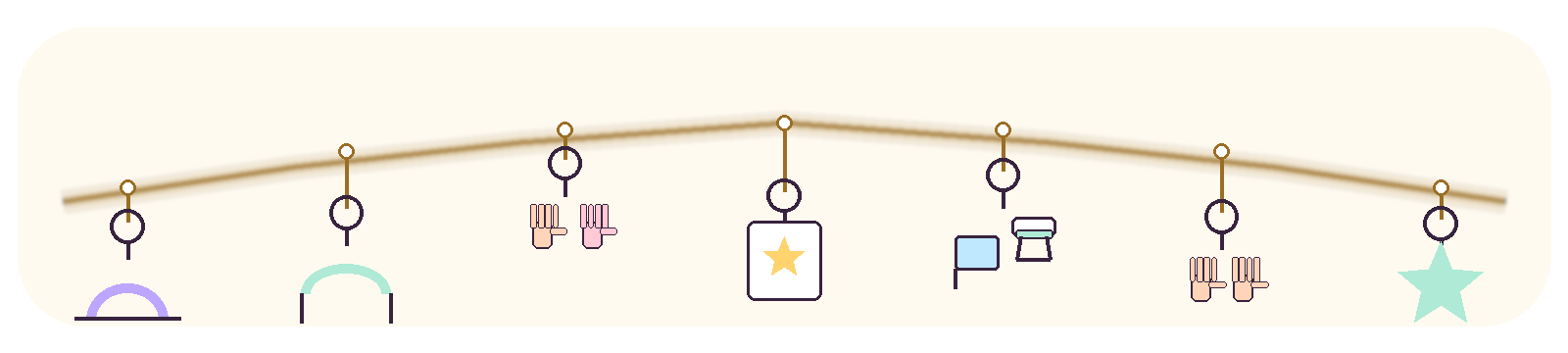
Your body can be the bridge
You are not the bad habit.
Your arms may be the place where your baby can currently release the day, unclench a fist, and stop arguing with gravity. I do not want to shame that tenderness out of your house. I want to put a safe edge around it—and give you a way to stand up, use the bathroom, drink the tea while it is still technically tea, and sleep without holding the whole night in your arms.
Remember the mother at 2:14. The baby cried the moment the bassinet took over. Nothing about the scene looked like progress. But she noticed the exact moment her own alertness changed, stood up, and made the harder decision before exhaustion made it for her.
That is the first handoff.
Then comes the one safe sleep you practice. The slow descent. The brief still hands. The note that says where the baby woke. The partner, friend, or relative who learns the routine. The next attempt made before anyone reaches the cliff.
Your body can be the bridge—not the only destination.
WHEN THE BASSINET ISN’T THE WHOLE NIGHT
Zoom out without starting over.
Maybe the handoff is only one piece. If feeds, hourly wakes, 24-minute naps, bedtime resistance, and early mornings are all landing on the same exhausted parent, SleepBaby’s main guide can help you sort the pattern and choose one useful next move.
Opens SleepBaby’s broader baby-won’t-sleep guide. No instant-sleep promise—just a clearer place to begin.
Sources
- American Academy of Pediatrics: 2022 safe-sleep policy statement.
- American Academy of Pediatrics: evidence base for the 2022 recommendations.
- U.S. Consumer Product Safety Commission: Safe Sleep—Cribs and Infant Products.
- HealthyChildren.org: Getting Your Baby to Sleep.
- HealthyChildren.org: Safe Sleep Tips for Sleep-Deprived Parents.
- HealthyChildren.org: Common Conditions in Newborns.
- HealthyChildren.org: Safe Sleep—Ways to Reduce SIDS and Suffocation Risk.
- HealthyChildren.org: Urgent Care, ER or Pediatrician?.
- NICHD Safe to Sleep: one-minute video transcript.
SleepBaby.org · The original video
A next step for
the next bedtime.
Still thinking about sleep? Watch the presentation here, then explore the SleepBaby program whenever you’re ready.
Ready to get started?Take the next step with SleepBaby.
Help my baby sleep