Skip to content

Baby Sleep

Transitioning Your Baby from Co-Sleeping to Sleeping in a Crib

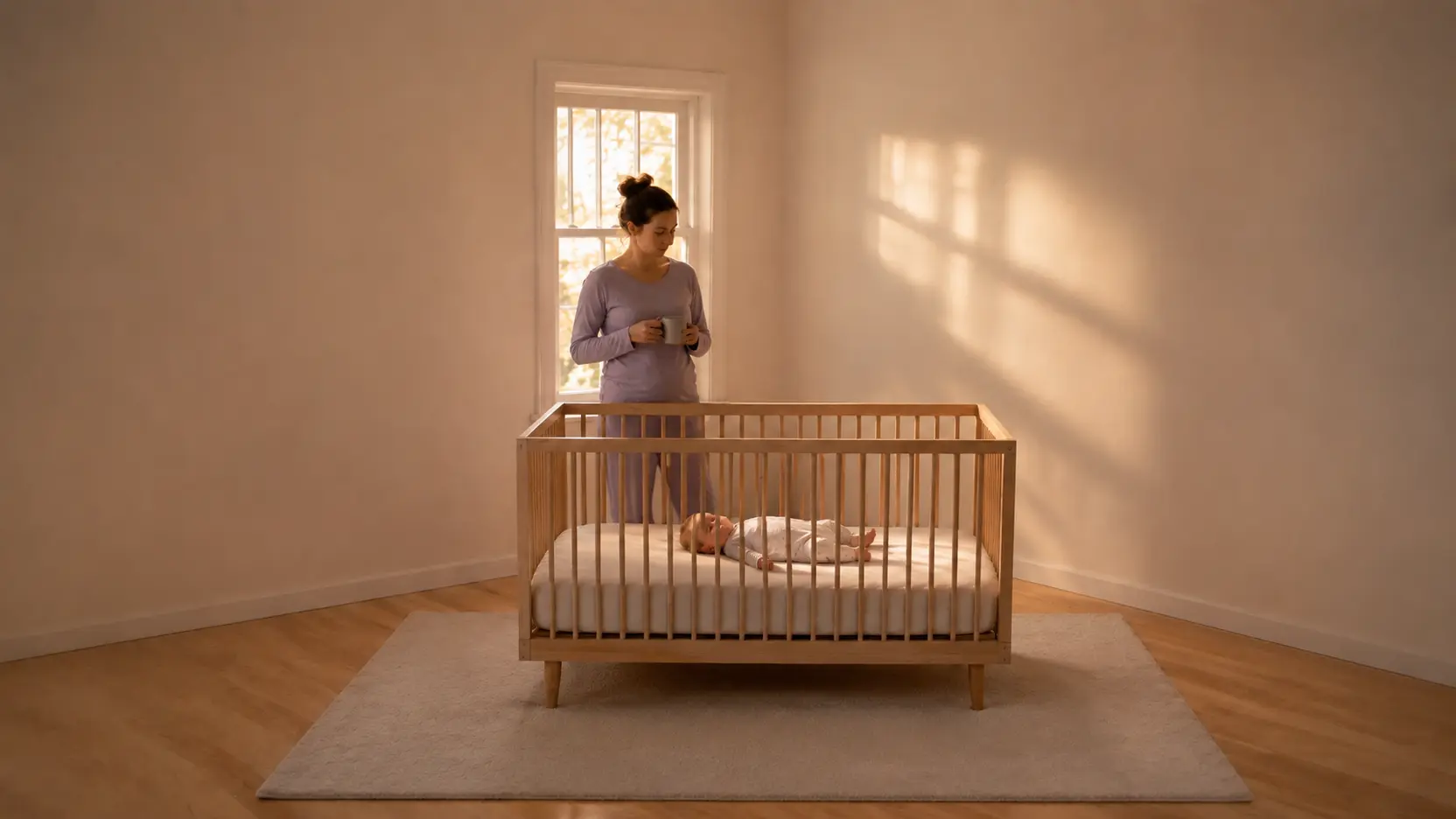
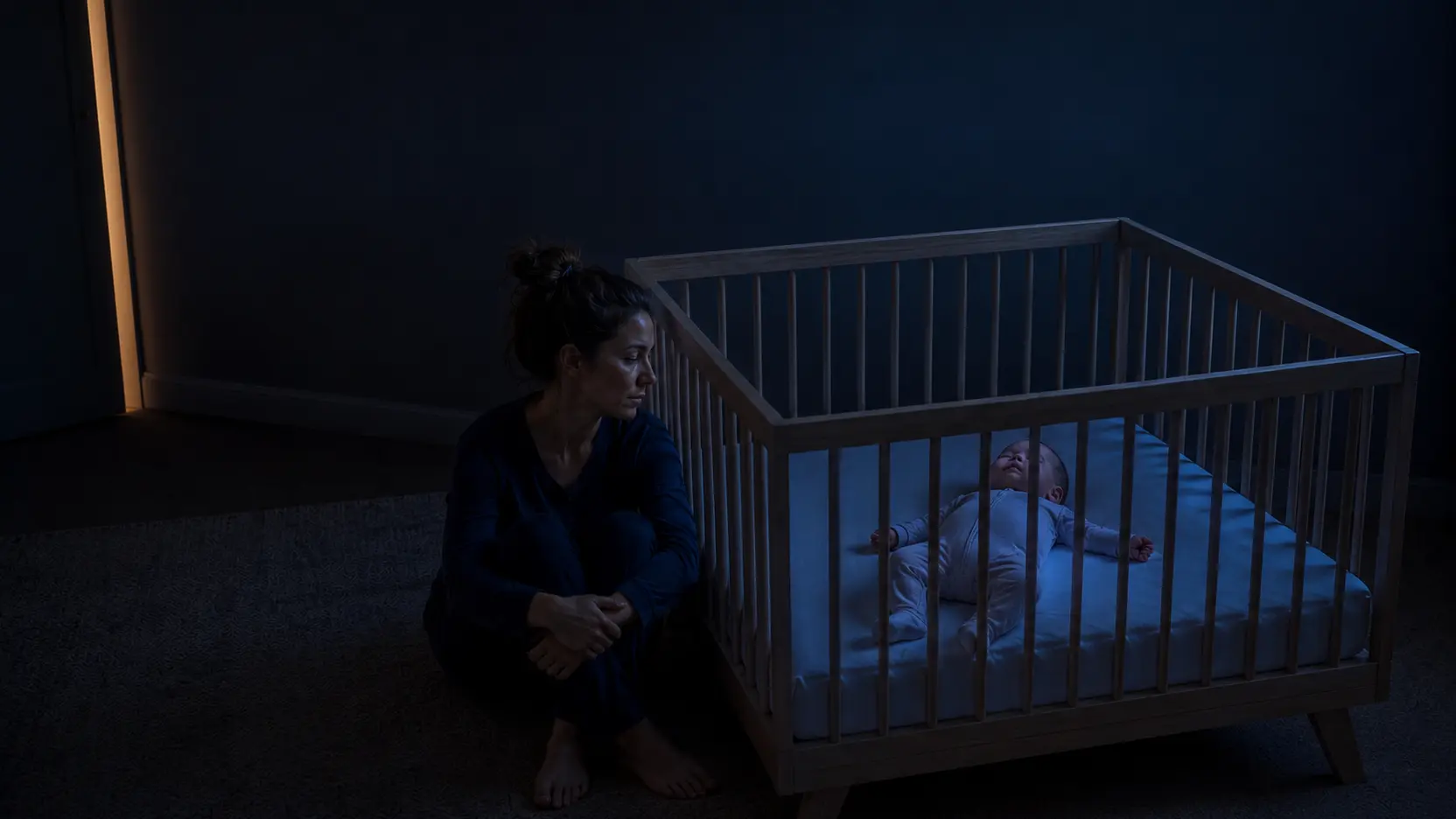
Mother watches from a doorway as her baby lies on their back in a bare crib

Moving your baby from co-sleeping to sleeping independently in a crib can feel like a daunting task. It’s a major milestone for both you and your baby, and it’s perfectly normal to have questions and concerns. In this guide, we’ll walk you through the steps of making this transition smoothly and share some effective strategies to help your baby sleep independently.

Understanding the Transition from Co-Sleeping to Crib Sleeping

Before diving into the how-to’s, it’s important to understand why this transition can be challenging. Co-sleeping creates a bond and a sense of security for your baby. Hence, the switch to a crib involves helping your baby develop a new comfort zone.

Benefits of Crib Sleeping

  • Independence: Crib sleeping can help foster independence and self-soothing skills.
  • Safety: Cribs are designed with safety measures that can protect your baby from risks like suffocation or falling.
  • Sleep Quality: With their own sleeping space, babies may experience fewer disruptions and thus, better sleep quality.

How to Transition Your Baby from Co-Sleeping to a Crib

Step 1: Start with Naptime

Begin the transition during the day. It’s usually less stressful for both you and your baby. Once your baby becomes comfortable sleeping in the crib for naps, you can start introducing it at nighttime.

Step 2: Make the Crib a Comfortable Space

Ensure the crib is a comforting and inviting space. Using a familiar blanket or a piece of clothing with your scent can help your baby feel more secure.

Step 3: Gradual Retreat

Start by staying with your baby until they fall asleep in the crib, then gradually reduce your presence over time. This method eases the transition and can help your baby develop self-soothing skills.

Step 4: Consistent Bedtime Routine

Maintaining a consistent bedtime routine can cue your baby that it’s time to sleep. This routine can include activities like bathing, reading, or lullabies before bedtime.

When and How to Start the Transition to a Crib

When Should You Start Transitioning Your Baby to a Crib?

You can start transitioning your baby to a crib as early as you feel comfortable. However, most parents start this transition when their baby is around 4-6 months old, as this is when babies generally develop the ability to self-soothe.

What Is the Best Way to Transition My Baby to a Crib?

One effective way to transition your baby to a crib is to start with naps. Once your baby is comfortable sleeping in the crib during the day, you can gradually start introducing it during the night.

How Can I Get My Baby Accustomed to the Crib?

Make the crib a comfortable and inviting space. Having familiar items, such as a favorite blanket or a piece of your clothing, can provide a sense of security.

Addressing Common Challenges in the Transition

Why Does My Baby Sleep Better in My Bed?

Your baby may sleep better in your bed because of the comfort and security they feel with you. When transitioning to a crib, aim to recreate this sense of comfort and security as much as possible.

Why Does My Baby Wake Up As Soon As I Put Them in the Crib?

Your baby might wake up because the crib feels unfamiliar compared to your arms or bed. This is normal and can improve with time and familiarity.

Transitioning at Different Ages

How Do I Transition My 7-Month-Old from Co-Sleeping to Crib?

By 7 months, babies can usually self-soothe, so it’s a good time to encourage independent sleep. Introduce the crib during naps and gradually work towards using it at night.

Transitioning a 1-Year-Old from Co-Sleeping to Crib

At this age, establishing a consistent sleep routine is crucial. Ensure the crib is a comfortable and secure space, and be patient. Transitioning a 1-year-old may take longer than for a younger baby.

Tips to Help Your Baby Self-Soothe

How Do I Teach My Baby to Self-Soothe?

Self-soothing is a skill you can help your baby develop over time. Some methods include letting them find their own comfort object, like a blanket or a soft toy, and establishing a consistent bedtime routine.

Can I Sleep Train My 1-Year-Old?

Yes, you can sleep train a 1-year-old. Consistency is key at this age. Maintaining a regular sleep routine, even during the transition from co-sleeping to crib, can support your baby in developing good sleep habits.

Is It Normal for My Baby to Wake Up Shortly After Being Put in the Crib?

Yes, it’s normal for babies to wake up soon after being put in the crib, especially during the initial stages of the transition. Patience and consistency will help your baby adjust to the new environment over time.

How SleepBaby.org Can Assist with the Transition

Transitioning your baby to crib sleeping is a unique journey and it can take time. SleepBaby.org can be an excellent resource during this time. This platform offers expert advice, sleep training methods, and supportive community discussion to assist parents in successfully navigating various sleep transitions, including moving from co-sleeping to crib sleeping. It provides research-backed techniques and strategies tailored to your baby’s age and developmental stage, helping you ensure your baby’s sleep health and well-being.

Conclusion

Moving your baby from co-sleeping to their crib can seem like a significant challenge, but with patience, consistency, and a few helpful strategies, it can be a successful transition. Remember that every baby is unique, so what works for one may not work for another. Always feel free to seek guidance and reassurance from platforms like SleepBaby.org during this journey.

A gentle bedtime path from Kacey Bailey

Your baby won’t sleep. Yet again.

You’re tired. You feel helpless—desperate to help your baby sleep. The SleepBaby Method gives you a gentle, science-informed approach you can follow without “cry it out.”

  • No cry-it-out
  • Newborns through toddlers
  • Instant digital access
  • 60-day guarantee
2:59 a.m.

You know this moment

You just woke up. For the third time tonight.

You feel like a zombie—more dead than alive. And yet, you need to get up because it hurts your heart to hear your baby cry.

Hi, I’m Kacey.

I’m about to show you a scientific approach to help your baby fall asleep. The SleepBaby Method is designed for newborns through toddlers and does not involve the controversial “cry it out” method.

Most notably, I am a parent just like you. My baby, Benjamin, refused to fall asleep and stay asleep. I understand how it pulls on your heartstrings when your baby won’t sleep.

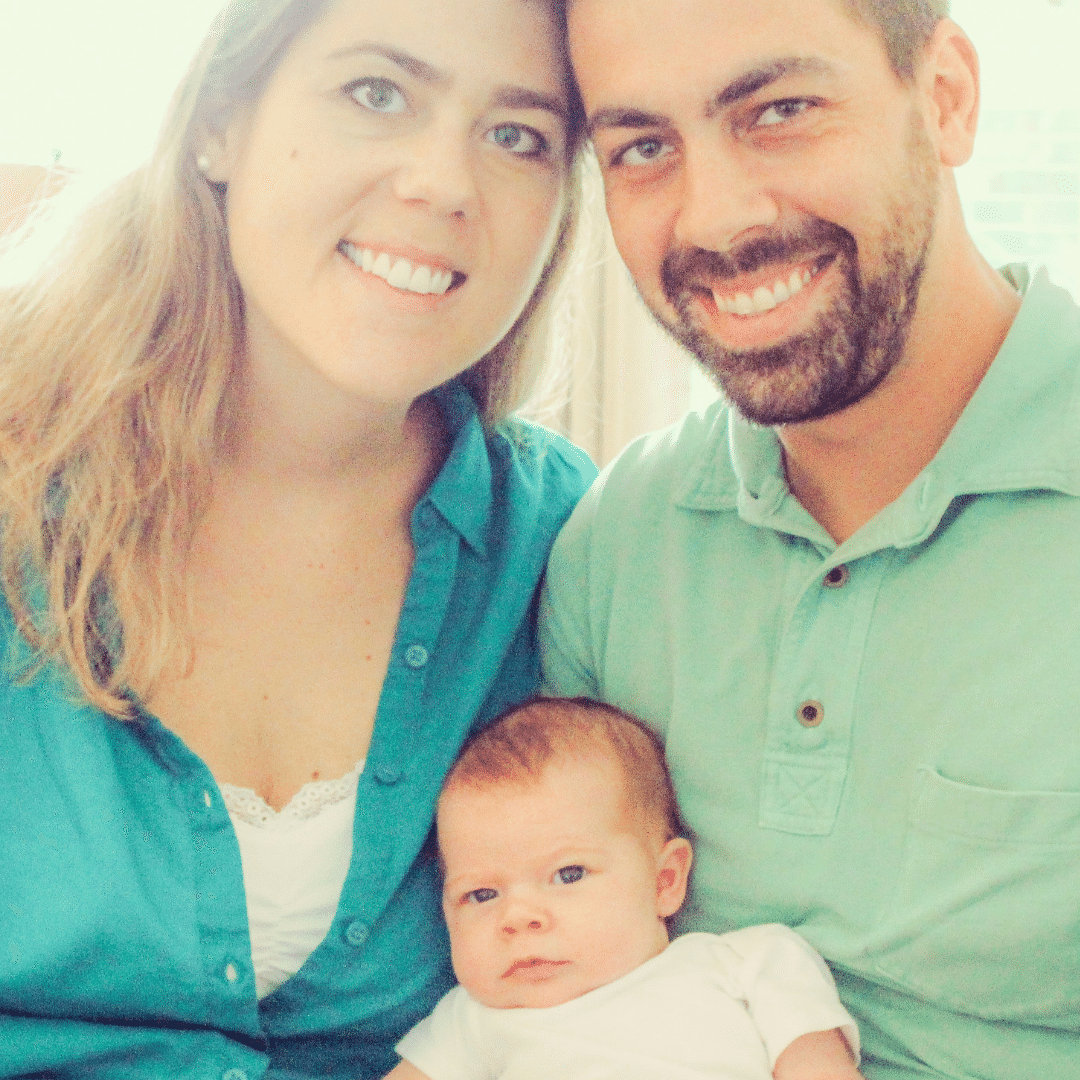
Kacey sharing a tender, peaceful moment with sleeping baby Benjamin
Kacey + BenjaminThe reason SleepBaby began

The story behind the method

My baby wouldn’t even nap anymore.

When Benjamin was born, my husband and I were elated. We thought he was the cutest baby on planet Earth—and we felt even more fortunate because he was an incredible sleeper.

Then, when Benjamin turned five months old, things changed seemingly overnight.

Benjamin started waking hourly—or every three hours if we were lucky. The sleepless nights began showing up in our work, our patience, and even our marriage.

I went online desperately searching for a solution. I bought the books, the tapes, and even hired a sleep consultant who simply told us to let our baby cry it out. I knew I needed another way.

01

An incredible sleeper

At first, bedtime came easily and we felt like the luckiest parents in the world.

02

Everything changed

At five months, Benjamin began waking again and again throughout the night.

03

A gentler answer

Kacey worked to create a practical method that did not rely on leaving a baby to cry alone.

Try these tonight

3 gentle ideas when your baby won’t sleep

These are three of the safer sleep ideas Kacey shares before introducing the complete method.

A parent and toddler laughing together during a warm, playful bedtime moment
01

Unleash the Giggle Monster

Stress can play a big part in why a baby won’t settle. A little laughter can help release built-up tension—and it gives you a warm moment of connection before sleep.

A parent, child, clock, and flowing path from evening light into a calm bedtime
02

Adjust the Bedtime

A later bedtime does not always make sleep easier. When a child has been awake too long, an overtired “second wind” can make settling harder. A consistent, age-aware schedule can help.

A baby sleeping safely on their back in a clear crib while gentle sound waves float through the room
03

Noise Can Help

The right steady sleep sounds can help a baby feel calm and protected. The complete method includes a collection of sounds designed for baby sleep.

A faster way to help your baby sleep

What you’ll discover inside The SleepBaby Method

  • The most effective alternatives to nursing or rocking your baby to sleep.
  • Ways to help your baby feel loved instead of crying for extra attention at bedtime.
  • Simple ways to ease bedtime anxiety and help your baby arrive at sleep calmly.
  • Baby sleep schedules designed around your child’s age.
  • Holistic ways to support your baby’s natural sleep rhythms without drugs.
  • A complete collection of soothing baby sleep sounds.
Get Instant Access
A connected storybook path through six calm bedtime discoveries
One connected bedtime path—not another pile of conflicting advice.
The SleepBaby Method digital guide with Baby Sleep Music, Deep Into Dreams, and Sleepy Siblings
The complete four-part SleepBaby package

The complete method + all three bonuses

Everything you need to start a calmer bedtime tonight.

Get unlimited access to The SleepBaby Method, the practical guidance Kacey created after Benjamin’s sleep changed, and all three digital bonuses.

Instant digital accessOpen the complete method and all three bonuses on the next page.
  • Complete digital workshop and guide
  • Baby Sleep Music
  • Deep Into Dreams
  • Sleepy Siblings
  • 60 days to explore the complete method
Continue to Instant Access

Instant digital delivery · Start in minutes

Everything included with your access

Three bonuses for the nights that need a little more help

01
Baby Sleep Music bonus cover

Baby Sleep Music

A collection of sounds designed just for babies, created to support a calmer, more peaceful sleep setting.

02
Deep Into Dreams bonus cover

Deep Into Dreams

Simple steps to encourage happy dreams so your baby can sleep peacefully and undisturbed.

03
Sleepy Siblings bonus cover

Sleepy Siblings

Practical help for putting siblings or twins to sleep at the same time—whether they share a room or sleep separately.

In their own words

What parents shared with Kacey

Anna Olson

“I was insanely sleep deprived when I heard about you from my son’s daycare. No matter what I tried, my baby wouldn’t sleep and it was driving me crazy!”

“Your information is very intelligent, easy to follow, and unique.”

Anna OlsonTampa, Florida
Paul Deleon

“As a single dad, I am already tired and my baby’s sleep problems made it even worse.”

“Since starting your method, he now sleeps through the entire night. Thank you, thank you, thank you!”

Paul DeleonSydney, Australia
Diana Erickson

“Thank you for helping my baby finally sleep! We felt like we were having the worst time and felt so stuck.”

“My baby is now on a sleep schedule that makes her and I both much happier during the day.”

Diana EricksonBristol, England

These are individual parent experiences. Every child and family is different.

A parent and sleepy child sharing a warm hug inside a quilted moon-and-sun ribbon
60daysconfidence promise

A full 60 days to decide

Try The SleepBaby Method for a full 60 days.

Explore the complete method and all three bonuses for 60 days. If it is not right for your family, contact us and we will make it right.

No questions asked. You can begin tonight and decide with confidence.

See Your Instant-Access Options

A few last questions

Simple answers before you begin

The complete method is made to be clear, practical, and easy to start.

Does this use “cry it out”?

No. The SleepBaby Method was specifically designed without the controversial “cry it out” approach.

What ages is it made for?

The method is designed to help families from the newborn stage through the toddler years.

How will I receive it?

It is a digital program delivered instantly, with unlimited access to the workshop and all three bonuses.

What if it is not right for us?

You have 60 days to explore the complete method. If it is not right for your family, contact us and we will make it right.

A calmer night can start with one clear plan

Ready to try The SleepBaby Method for yourself?

Get the complete digital method, all three bonuses, and instant access so you can begin tonight.

Ready when you areStart tonight
Click Here for Instant Access

The SleepBaby Method + Baby Sleep Music + Deep Into Dreams + Sleepy Siblings · 60-day guarantee

Ready when you are

Complete your order here

The complete method + all 3 bonuses. Instant access after confirmed payment.

The SleepBaby Method

Complete digital package. No subscription.

Total todayUSD · one payment$20
Need a different price?

Every accepted amount includes the same complete package and the same 60-day guarantee.

USD. The package and refund rights do not change with your price.

Secure payment options load here when you reach this section.

Payment details are handled securely by PayPal. PayPal Privacy Statement.

  • One payment
  • 60-day guarantee
  • Access after confirmed payment

Prefer a separate page? Open the dedicated checkout

What is included?
The complete SleepBaby digital package
  • The SleepBaby Method — the complete digital guide
  • Baby Sleep Music — the audio collection
  • Deep Into Dreams — the companion guide
  • Sleepy Siblings — practical help for two children

Every accepted price includes the same complete package.

How do I receive access?

Access opens after SleepBaby securely confirms your completed payment. Nothing is shipped. An approval window alone does not unlock access.

Your 60-day guarantee

If the package is not right for your family, email refund@sleepbaby.org within 60 days. Your chosen price does not change your refund rights. Read the refund policy.