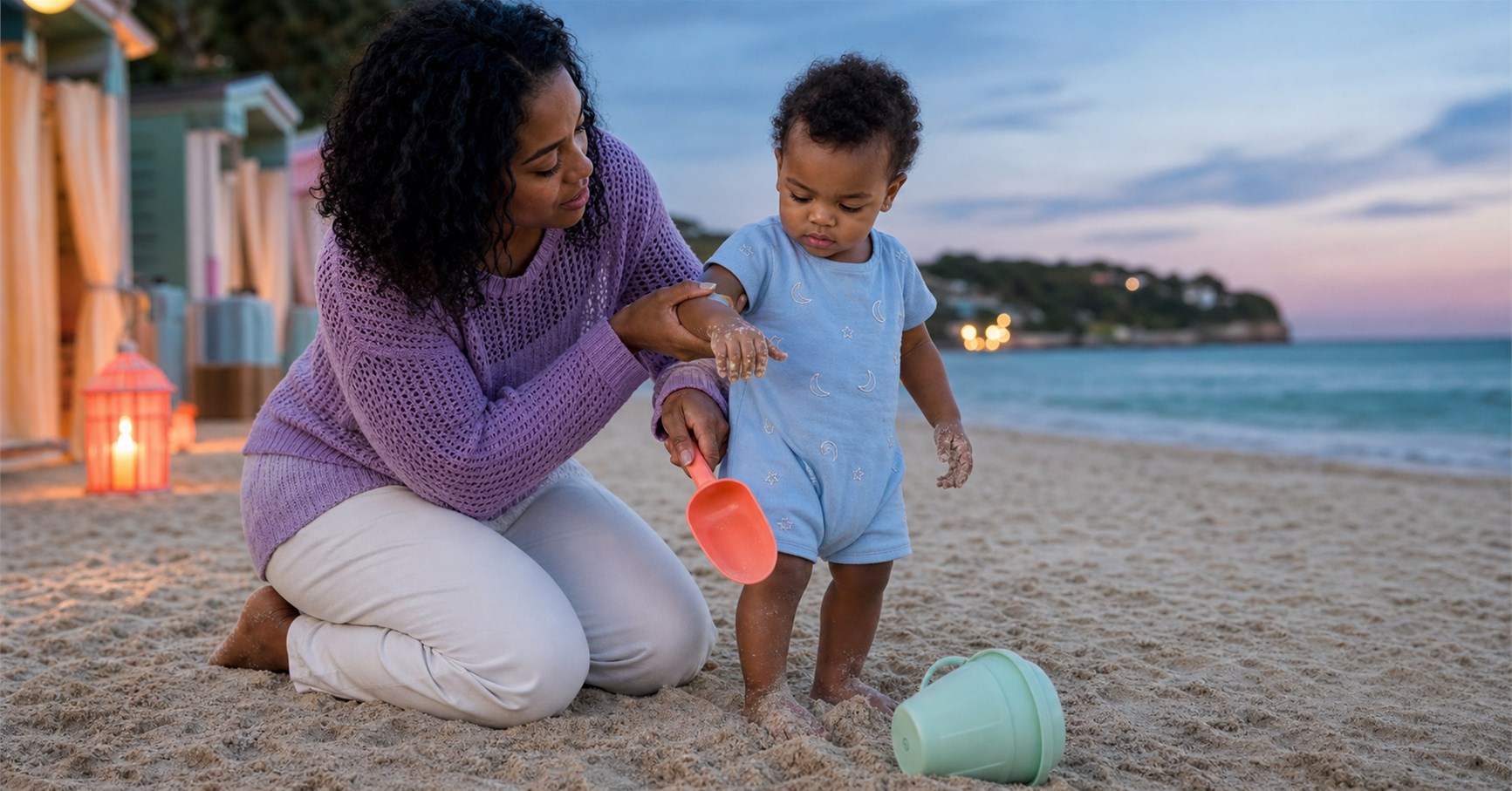
Many parents have faced the unexpected scenario of finding their child eating non-food items, most commonly dirt or sand. If you’re thinking, “my kid eats sand”, don’t worry—you’re not alone. In this post, we’ll explore why this happens, potential risks, and how you can manage this behavior effectively.
Why Does My Kid Eat Sand?
Eating non-food items like sand or dirt is often indicative of a condition known as pica, common in toddlers and preschoolers. Pica can be part of normal child development but can also signify nutritional deficiencies, boredom, or be a sensory-seeking behavior. Let’s understand it in more detail.
1. Sensory Seeking
Some children might eat sand out of curiosity or for sensory exploration. This is particularly common in toddlers who are still learning about their environment.
2. Nutritional Deficiencies
Sometimes, the ingestion of non-food items might point to a deficiency in minerals such as iron or zinc. If you suspect this might be the case, it’s essential to consult with a pediatrician.
3. Psychological Factors
For some children, eating sand might be a way to seek attention or manage stress. If you notice your child frequently resorting to this behavior, it might be helpful to consult a child psychologist.
The Risks of Eating Sand
Eating sand can pose several health risks, including digestive issues, exposure to harmful bacteria, and potential choking hazards. It’s important to manage this behavior promptly and effectively to ensure your child’s safety.
Managing the ‘My Kid Eats Sand’ Problem
1. Monitor Your Child Closely
When you’re at the playground or the beach, keep a close eye on your child. Prompt intervention can prevent your child from eating sand.
2. Provide Alternatives
If your child is eating sand out of curiosity or sensory-seeking, provide other sensory experiences such as playdough or sensory bins with safe materials.
3. Seek Professional Help
If the behavior persists or you’re worried about your child’s health, it’s important to consult a pediatrician or child psychologist.
The Phenomenon of Eating Sand: Why Does it Happen?
Reasons Behind Children Eating Sand
Children may eat sand due to curiosity, sensory exploration, attention-seeking, or as a sign of pica, a condition where individuals consume non-food items. In some cases, the consumption of sand might even indicate a mineral deficiency.
Understanding Pica: From Dirt and Rocks to Cardboard
Not just limited to sand, pica might lead kids to consume dirt, rocks, and even cardboard. If your child is frequently consuming such items, a consultation with a pediatrician or psychologist is advisable.
Potential Risks and Symptoms: What Happens When a Child Eats Sand?
Health Risks of Sand Ingestion
Eating sand can pose several health risks for children, including potential blockages in the digestive system, exposure to harmful bacteria, and a risk of choking. In severe cases, sand impaction might occur, leading to symptoms like stomach pain and constipation.
Identifying Symptoms of Sand Ingestion
If your child has eaten sand, look out for symptoms like stomach discomfort, changes in bowel movements, or a gritty texture in the mouth or teeth. If you notice any concerning symptoms, it’s essential to seek medical attention promptly.
Preventing Sand Eating: Practical Strategies
How to Discourage Sand Eating in Toddlers
Close supervision during play, providing sensory alternatives, and maintaining a calm response can help manage this behavior. In situations where pica might be a factor, seeking professional help is advised.
Specific Tips for Dealing with Sand-Eating Babies
If you have a younger child, such as a one-year-old, who is consuming sand, consider using baby-friendly barriers or play mats during outdoor time. You might also introduce other safe textures for exploration to divert their attention from the sand.
Managing Dirt and Soil Ingestion
The strategies for managing sand-eating also apply to soil or dirt. Prompt intervention, providing alternatives, and professional consultation are key steps.
Additional Considerations: Kinetic Sand and White Sand
Kinetic Sand and Toddlers: Is it Safe?
Kinetic sand is a popular play material for children. While it’s generally safe and non-toxic, ingestion should still be avoided. Supervision is especially important for younger toddlers, starting from age 2, who are still exploring their world orally.
White Sand: Is it Safer?
All sand, whether white or not, can pose potential risks when ingested. It’s important to prevent sand ingestion, regardless of the type.
How SleepBaby.org Can Help
Interestingly, there’s a connection between your child’s sleep patterns and behaviors such as pica. Good sleep can contribute to improved cognitive functioning, better emotional regulation, and overall healthier behavior patterns. This is where SleepBaby.org can help.
At SleepBaby.org, we provide expert advice and strategies to help your child develop healthier sleep habits. Good sleep hygiene can have a positive influence on daytime behavior, potentially reducing behaviors such as pica. SleepBaby.org’s resources can guide you in establishing consistent, restful sleep routines for your child, contributing to their overall wellbeing and development.
In Conclusion: Responding to the ‘My Kid Eats Sand’ Situation
Discovering that your child eats sand can be worrying, but remember, you’re not alone. By understanding the possible reasons and knowing how to manage this behavior, you can navigate this situation effectively. And don’t underestimate the power of a good night’s sleep – visit SleepBaby.org today to explore how better sleep can influence your child’s behavior and development positively.






What viewers said10 comments · 4 replies+
Archived comments from the original Baby Sleep Miracle presentation. Not independently verified by SleepBaby.org; individual experiences vary.
Thank you so much for this video! I had no idea about the dangers of baby swings :O
Hi Mary-Ann. I have a question: Is method in any way similar to the ones recommended by Dr Bucknam, Dr. Weissbluth or Dr. Karp? We tried those but none of them help.
Hi Regina, thank you for your question. The short answer is no. The techniques I share in my guide are based on newest scientific research and this is why I have never seen any approach similar to the one I recommend.
This method really works! I tried it on my son Jesus and after just one week he went from waking up more than 5 times a night to waking up just once or twice. You are a lifesaver, Mary-Ann!
I'm truly impressed with how much information you share in your video. And all for free! I can feel that you truly care about mothers like myself, and that's hard to find these days. I have recommended your site to several of my friends already.
Mary-Ann, our child suffers from autism. Is your approach still suited?
Chloe, I made sure my method can be used with any child, even babies who are special like yours. Please note that I'm not a doctor and that I always advice to consult with your physician because nothing is more important than the safety and well-being of your love.
Hallo Mary-Ann, I'm from Germany. Do you have your guide in German?
Hello Heide, we do! Normally you should already see our video in German. If not, please contact our support so they can guide you
Thenk you for your answer, Mary-Ann!
I just completed your approach and I have to say, it worked almost too well. Yes, it took a bit of getting used to with your bedtime routine but the difference is huge. My son George used to take 1 hours to go down and now he's firmly asleep in no more than 10 minutes! You're the best!
It seems I'm the only man watching this video, lol! What you shared about the 'emotional backpack' made immediate sense to me and I can't wait to help my little girl Mila to unpack it!
Hey there, just discovered your site and this really sounds different. Just wanted to say thanks for sharing :)
For everyone who's still thinking about getting Mary-Ann's guide I want to advise you to go ahead. I wasn't sure myself but now I'm so thankful I invested in this program. It made a huge difference in our life as a family and yes, my baby girl does sleep through the night now.