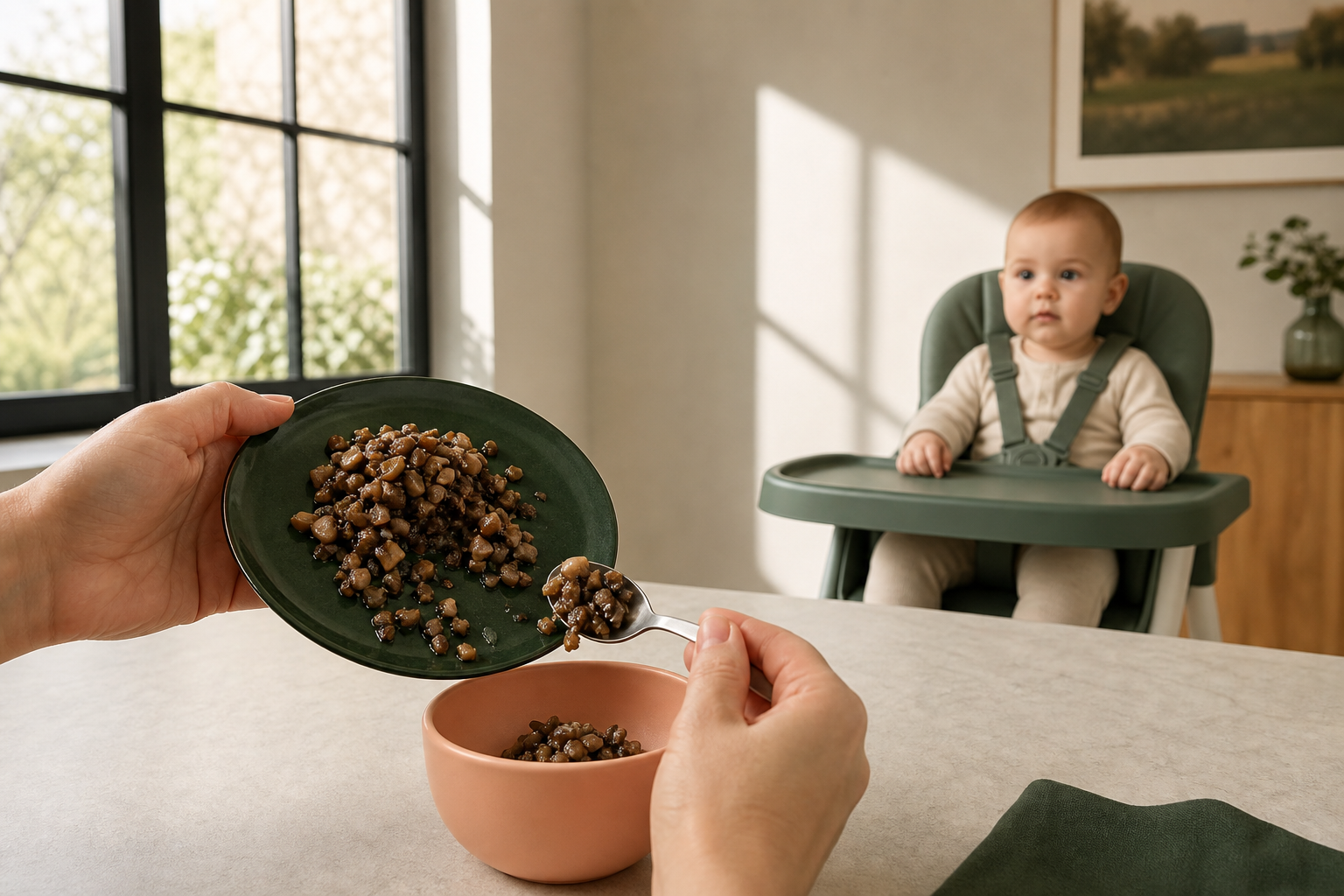
Introducing new foods to your baby is an exciting phase. One such food group that parents often have queries about is mushrooms. This comprehensive guide is designed to provide insights into when and how you can start feeding your baby mushrooms.
When Can I Start Feeding My Baby Mushrooms?
Typically, you can introduce mushrooms into your baby’s diet after they have started consuming solid foods, usually around six to nine months of age. As with any new food, it’s crucial to start small, monitor for any adverse reactions, and then gradually increase the amount.
Meals, milk and the night
Feeding and sleep,
in the same day.
Feeding takes plenty of thought, and the next nap or bedtime brings its own questions. Watch our video below for practical help with settling your baby at the end of it all.
Prefer to read?Press play for a little help with your baby’s next bedtime.
Kind words about the original video
“Thank you so much for this video!”
“I'm truly impressed with how much information you share in your video.”
The SleepBaby Workshop
Get the Workshop.
Get the Workshop, including Nap Rescue & Transition, for the sleep part of your day. 15 guides and five audio tracks in a simple browser hub. Read, listen, and return to the part you need.
Current price shown in the cart.
Digital Workshop. Nothing ships.
A conversation, if you want one.Night Owls is the SleepBaby chat room. Read what is there or join in.
How to Introduce Mushrooms to a Baby’s Diet
When first introducing mushrooms, ensure they are cooked thoroughly to make them easier to digest and to kill any potential bacteria. Chopping them into small, manageable pieces or pureeing them can also help prevent choking risks.
Nutritional Benefits of Mushrooms for Babies
Mushrooms are packed with nutritional benefits that make them a great addition to your baby’s diet. They are an excellent source of vitamins, particularly B vitamins, and they also contain essential minerals like selenium, potassium, and copper.
Possible Concerns About Feeding Mushrooms to Babies
Allergic Reactions
While mushroom allergies are rare, they can occur. Signs of a food allergy may include rashes, digestive issues, and difficulty breathing. If you notice any such symptoms after feeding your baby mushrooms, contact your pediatrician immediately.
Choking Hazards
Mushrooms should be cooked well and cut into small pieces or pureed to prevent choking. Never offer your baby a whole mushroom.
When Can Babies Start Eating Mushrooms?
Babies can start eating mushrooms after they have begun consuming other solid foods, typically between six to nine months of age. It is always advised to introduce any new foods gradually and keep an eye out for any potential allergic reactions.
Preparing and Serving Mushrooms for Babies
How to Serve Mushrooms to a Baby
Mushrooms should be cooked thoroughly and cut into small, manageable pieces or pureed before serving to a baby. Raw mushrooms are hard to digest and are a potential choking hazard, so they should be avoided.
Preparing Mushrooms for a 6-Month-Old Baby
For a 6-month-old baby, a great way to serve mushrooms is in the form of a puree. After washing and cooking them thoroughly, blend the mushrooms into a smooth consistency.
Cooking Mushrooms for Baby-led Weaning
When it comes to baby-led weaning, offering bite-sized, cooked pieces of mushrooms allows the baby to explore the texture and taste while safely managing the food.
What Kind of Mushrooms Are Safe for Babies?
All commonly consumed mushrooms, including portobello and baby Bella (a younger, smaller version of portobello), are safe for babies as long as they are properly cooked. However, raw mushrooms should be avoided as they are tough to digest.
Additional Considerations and Tips
Do You Need to Peel or Wash Baby Mushrooms?
There is no need to peel baby mushrooms. However, washing them before cooking is important to remove any dirt or bacteria.
Is Mushroom Seasoning Safe for Babies?
While mushrooms themselves are safe, mushroom seasoning can contain high levels of sodium or other additives, which aren’t recommended for babies. It’s best to serve mushrooms plain or with a small amount of unsalted butter or olive oil.
Can Babies Have Mushrooms and Onions?
Yes, both mushrooms and onions can be safely included in a baby’s diet when prepared correctly. However, as with any new food, they should be introduced one at a time to watch for any potential allergies or reactions.
How SleepBaby.org Can Help
Introducing new foods, like mushrooms, to your baby’s diet can affect their sleep patterns. Your baby may sleep more due to feeling satisfied or less if they experience discomfort or digestive issues. SleepBaby.org is a valuable resource offering guidance to help you navigate these changes and ensure your baby continues to get the rest they need.
SleepBaby.org offers a wealth of expert advice on all aspects of your baby’s sleep, including how changes in diet can impact sleep patterns. By understanding the link between your baby’s diet and sleep, you can ensure a smoother transition as you introduce new foods like mushrooms.
Discover More with SleepBaby.org
If you have more questions about how feeding your baby mushrooms or other new foods can impact their sleep, visit SleepBaby.org. You’ll find a wealth of practical tips, expert advice, and helpful resources to navigate this exciting phase of your baby’s growth.
Remember, the introduction of new foods is a milestone in your baby’s development. Make it enjoyable and safe with the help of expert guidance from SleepBaby.org.
The SleepBaby.org Workshop
Make a plan for
the next bedtime.
Practical help for wake-ups, short naps, and sharing the night shift. Watch the original video, then get 15 guides and five audio tracks for $9.
$9 USD, paid once. No subscription. Digital access.
Watch the original Baby Sleep Miracle presentation
Press play for a little help with your baby’s next bedtime.
Original presentation. Watch before you decide.
15practical guides
5audio tracks
1one-time payment
Kind words about the original video
“Thank you so much for this video!”
“I'm truly impressed with how much information you share in your video.”
Inside the Workshop
Start with the night
you're having.
You don't need to read all 15 guides before bedtime. Choose the one that answers the question in front of you, then come back for the next part.
Before you buy
A few things
made clear.
A straightforward purchase, with space to decide what fits your family.
What am I buying?
The SleepBaby.org Workshop includes 15 digital guides, five audio tracks, and the original Baby Sleep Workshop PDF as an additional download. It costs $9 USD, paid once, with no subscription. Nothing is shipped.
Where should I start?
Try Tonight Rescue when you need a starting point. If your question is more specific, go straight to the guide on naps, a caregiver handoff, the sleep space, or another topic. You can read at your own pace.
Is this personal sleep coaching?
No. This is an educational collection for parents of babies and young children. Use the age-specific guidance, and bring feeding, breathing, growth, illness, or other health concerns to your child's clinician. It does not diagnose a problem or promise a sleep result.
Is the video the paid Workshop?
You can watch the original Baby Sleep Miracle presentation on this page. Your purchase is the SleepBaby.org Workshop collection of guides, audio tracks, and the original PDF described here.
How do I find it after checkout?
On your thank-you or order-status page, look for Open Workshop access, then Open your SleepBaby Workshop. Keep your order confirmation so you can return. If you need help finding your access, use our Workshop download help.
The SleepBaby.org Workshop
Have somewhere to start
at the next bedtime.
15 practical guides. Five audio tracks. One $9 purchase.

Leave a comment