
Usually, yes: you can keep breastfeeding with an illness such as flu or COVID-19, while taking precautions to reduce spread. Fever alone does not tell you whether to stop. The cause, your medicines and whether you can safely hold your baby matter. If you bottle-feed, those contact precautions still matter.
If you are pregnant or gave birth within the past year, a temperature of 100.4°F (38°C) or higher needs medical care immediately. Tell the clinician about the pregnancy or birth. A baby younger than 3 months with that temperature also needs urgent medical assessment. Do not wait for feeding advice to sort itself out first.
SleepBaby.org · The original video
A little help
for the night ahead.
Take a moment to watch the original Baby Sleep Miracle presentation. Your article will be right here when you’re ready to keep reading.
What viewers said10 comments · 4 replies
Archived comments from the original Baby Sleep Miracle presentation. Not independently verified by SleepBaby.org; individual experiences vary.
Hi Mary-Ann. I have a question: Is method in any way similar to the ones recommended by Dr Bucknam, Dr. Weissbluth or Dr. Karp? We tried those but none of them help.
Hi Regina, thank you for your question. The short answer is no. The techniques I share in my guide are based on newest scientific research and this is why I have never seen any approach similar to the one I recommend.
This method really works! I tried it on my son Jesus and after just one week he went from waking up more than 5 times a night to waking up just once or twice. You are a lifesaver, Mary-Ann!
I'm truly impressed with how much information you share in your video. And all for free! I can feel that you truly care about mothers like myself, and that's hard to find these days. I have recommended your site to several of my friends already.
Mary-Ann, our child suffers from autism. Is your approach still suited?
Chloe, I made sure my method can be used with any child, even babies who are special like yours. Please note that I'm not a doctor and that I always advice to consult with your physician because nothing is more important than the safety and well-being of your love.
Hallo Mary-Ann, I'm from Germany. Do you have your guide in German?
Hello Heide, we do! Normally you should already see our video in German. If not, please contact our support so they can guide you
Thenk you for your answer, Mary-Ann!
I just completed your approach and I have to say, it worked almost too well. Yes, it took a bit of getting used to with your bedtime routine but the difference is huge. My son George used to take 1 hours to go down and now he's firmly asleep in no more than 10 minutes! You're the best!
It seems I'm the only man watching this video, lol! What you shared about the 'emotional backpack' made immediate sense to me and I can't wait to help my little girl Mila to unpack it!
Hey there, just discovered your site and this really sounds different. Just wanted to say thanks for sharing :)
For everyone who's still thinking about getting Mary-Ann's guide I want to advise you to go ahead. I wasn't sure myself but now I'm so thankful I invested in this program. It made a huge difference in our life as a family and yes, my baby girl does sleep through the night now.
Ready to get started?Take the next step with SleepBaby.
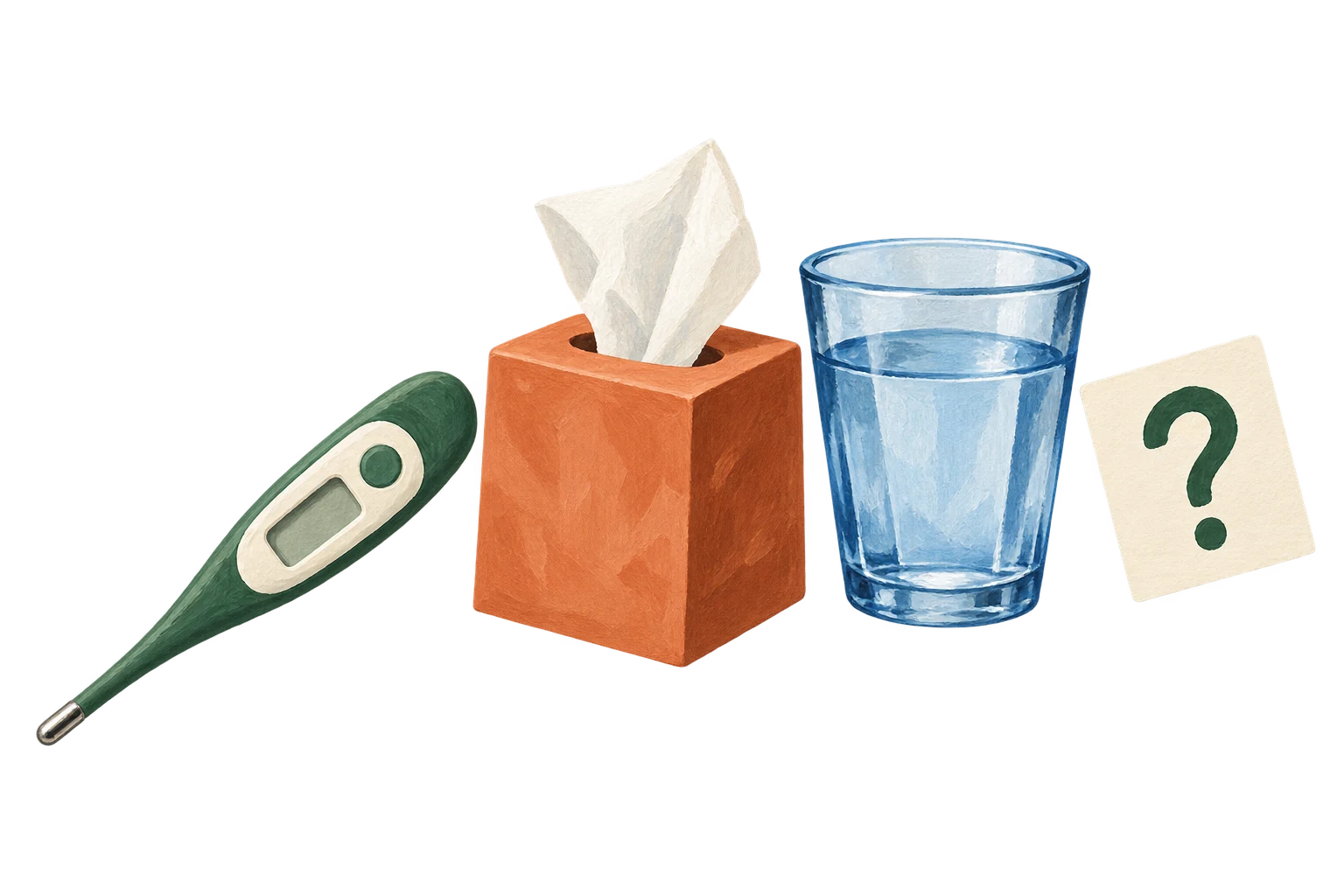
Pick your priceCheck the fever before changing the feeding plan
I would write down the temperature, how you measured it, when it started and any medicine already taken. That gives the person advising you something more useful than “I feel hot.” Feeding can often continue while you get care; being able to breastfeed does not mean the illness can be ignored.
Your health comes first, too
The CDC’s urgent maternal warning signs include fever at or above 100.4°F (38°C) during pregnancy and for a year after delivery. Seek care immediately, even if you think you know the cause.
Chest pain, trouble breathing, fainting, a severe or worsening headache, severe belly pain or heavy bleeding also need immediate attention. Call emergency services for severe symptoms or if you cannot safely get help.
Tell the clinician when you gave birth and whether you are breastfeeding. Ask for both an illness plan and a feeding plan.
If you are outside that pregnancy/postpartum period, or you are a non-birthing caregiver, seek medical advice for a fever that persists, worsens or comes with concerning symptoms. Severe breathing trouble or collapse is an emergency. A general article cannot identify the infection from a temperature reading.
Cause, contact, capacity: three separate checks
“Can I feed the baby?” can mean several things at once. I would separate them before deciding that all milk needs to be thrown away or that you have to manage every feed alone.
Cause. Contact. Capacity.
Cause: Which illness or medicine are we dealing with? Specific conditions can change whether direct breastfeeding or expressed milk is suitable.
Contact: How could germs reach the baby while someone holds, feeds or changes them? Milk and close contact are different routes.
Capacity: Are you alert and steady enough to hold and feed your baby? If you are too unwell, arrange another caregiver and get help.
The CDC lists specific exceptions to breastfeeding that require individual medical advice. Some concern the milk; others concern direct contact. A known diagnosis or an instruction from your care team takes priority over a general “usually yes.” Do not assume pumping removes every possible risk.
Can flu or COVID-19 pass through breast milk?
CDC guidance says flu is not transmitted through breast milk. For COVID-19, current evidence does not identify breast milk as a source of transmission. These illnesses can still spread through close contact.
You can usually continue nursing with either illness while using precautions. Breast milk contains immune components that can help protect a baby, but breastfeeding does not guarantee that your baby will avoid illness. I would keep watching how the baby feeds, breathes and behaves instead of treating the milk as complete protection.
You do not need to discard milk solely because you have flu, COVID-19 or an elevated temperature. Check any specific diagnosis or medication that could change that advice. If you have suspected flu soon after giving birth, contact your clinician promptly about treatment; breastfeeding does not rule out antiviral treatment.
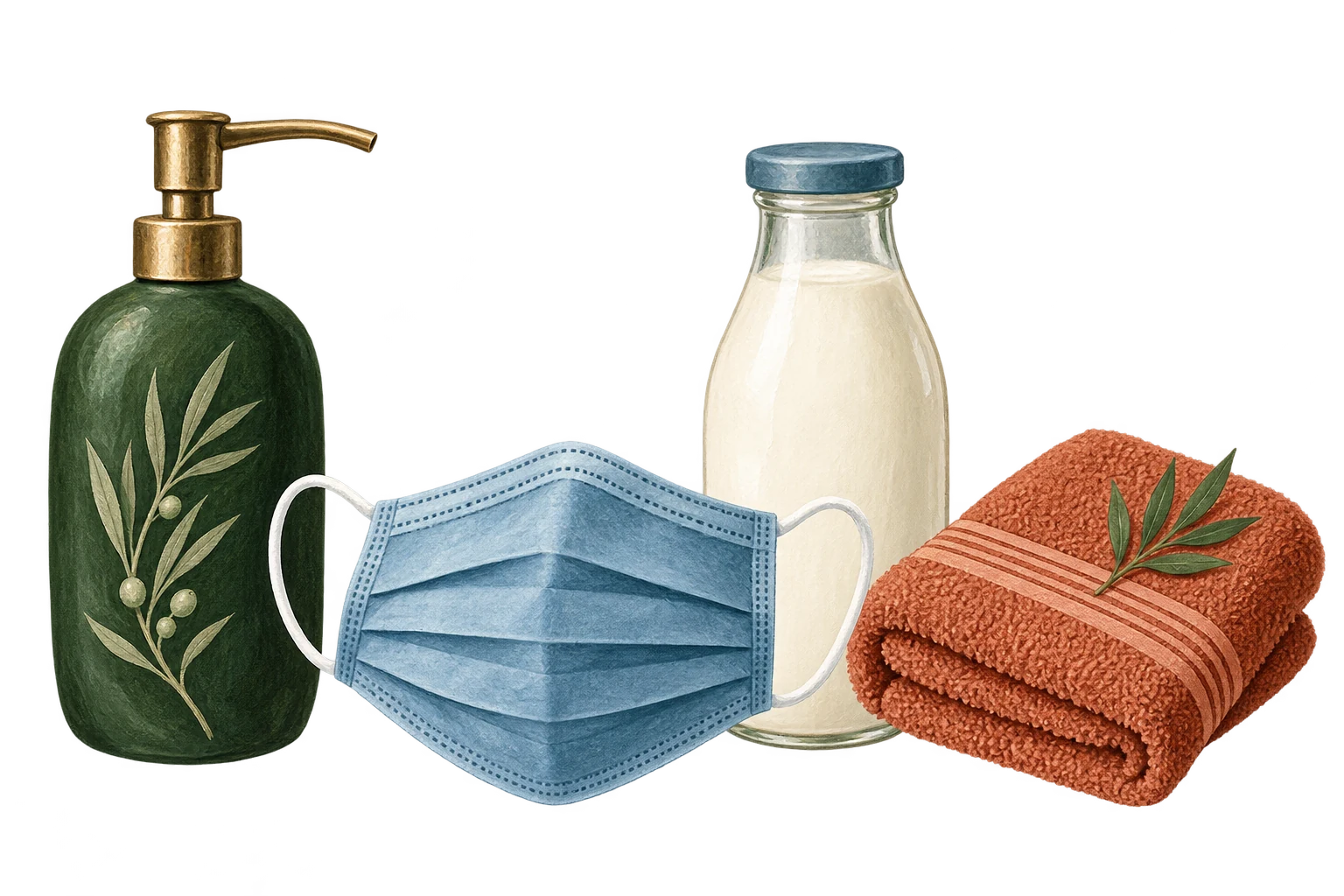
Reduce spread during breast and bottle feeds
For a respiratory illness, make the feeding area easy to use with clean hands. You do not need a complicated setup. Put the tissues, bin and soap where you can reach them before the baby needs feeding.
- Wash before contact. Clean your hands before touching your baby, expressing milk or handling feeding equipment, and again after coughing, sneezing or blowing your nose.
- Consider a mask on the sick adult. CDC guidance supports masks to help reduce respiratory spread during close care. Never put a mask on a child under 2.
- Keep equipment clean. Follow cleaning and sanitizing instructions for bottles and pump parts. A healthy helper can take over that job.
- Bring in help and cleaner air. When practical, a healthy caregiver can handle feeds and other close care. Improve ventilation safely where you are caring for the baby.
These steps apply whether the bottle contains formula or expressed milk. Changing the milk does not remove exposure from coughing or unwashed hands.

Check the medicine, including every active ingredient
A fever medicine and a “nighttime cold and flu” product can be very different. Before taking something new, tell the pharmacist or prescriber that you are breastfeeding. Give your baby’s age and mention prematurity, jaundice or other health concerns.
The NHS breastfeeding and medicines guidance lists paracetamol, called acetaminophen in the US, among medicines that can be taken while breastfeeding. It also identifies ibuprofen as the preferred anti-inflammatory option when a health professional considers one appropriate. That does not mean either medicine suits every adult or every medical history.
Have the package beside you when you ask
Read out: the product name, all active ingredients, strength, dose already taken and time taken.
Ask: Is this suitable while breastfeeding my baby? Could it affect alertness, milk supply or the baby? What should I use instead if it is unsuitable?
If a pause is needed: Ask exactly which feeds or milk are affected, how to maintain supply and when feeding can resume.
Some oral decongestants, codeine and aspirin used for pain relief are not recommended while breastfeeding. Combination products and herbal remedies need checking, too. Follow your own product’s directions and do not stop a prescribed medicine without professional advice.
I would not decide to “pump and dump” from the brand name on the front of a box. Get advice about the actual ingredients and your baby. The clinician or pharmacist can help you avoid an unnecessary interruption or identify one that really is needed.
CARE FIRST. ROUTINE QUESTIONS LATER.
Let the next feed have a plan. Let the rest wait.

Once medical advice and feeding needs are covered, the SleepBaby.org homepage offers a free browser-based planning preview. Make three choices and receive one suggested starting step, with no sign-up or card.
When you are well enough to think beyond the next feed, choose one ordinary routine question, such as how another caregiver can take over part of the evening. I would keep that separate from the illness instructions and any feeding schedule your clinician has given you.
The optional paid SleepBaby.org Workshop is an online sleep guide with short lessons you can revisit and a seven-night tracker. You can explore the free preview first and decide whether that separate guide fits what you need.
Neither the preview nor the Workshop treats fever, assesses milk safety or tells you to delay feeds. During illness, medical care, safe feeding and practical help stay first.
If you are too ill to breastfeed directly
With flu or COVID-19, CDC guidance supports expressing milk regularly when you cannot nurse directly, with a healthy caregiver offering it when possible. Ask for lactation support if you need help maintaining supply, using a pump or getting comfortable.
There is a practical middle step between doing everything yourself and stopping breastfeeding. A helper can bring the baby to you, handle a diaper change, clean equipment and settle the baby afterward. If direct nursing is manageable, that support may let you concentrate on the feed and then rest.
If you cannot nurse or express enough, contact your baby’s clinician or feeding team about the next feeds. Keep any existing supplementation or medical feeding plan. Do not leave the baby without needed milk while trying to preserve a particular feeding method.
Illness can affect supply for some parents. Ask for help if feeds are being missed or your baby seems to be taking less. A pump measurement on one difficult afternoon does not give you the whole picture; the baby’s intake, diapers and growth need attention as well.
Fever with a hot, painful breast may be mastitis
Mastitis can cause a painful, swollen or hot area, often in one breast, with aches, chills or fever. Redness may be harder to notice on brown or black skin. Let a clinician assess what is happening rather than assuming every fever is a cold.
You can usually continue breastfeeding when your baby wants to feed. If it is too painful, seek feeding support; hand expression may help provide the milk the baby needs. A cool compress can ease discomfort. Avoid firm massage and expressing extra milk beyond your baby’s needs.
The postpartum fever warning still applies. Contact your maternity team or clinician immediately for a temperature of 100.4°F (38°C) or higher within a year of birth. Do not use general home-care advice for mastitis as a reason to delay that call.
For mastitis symptoms without that urgent fever trigger, NHS guidance advises medical review if they are not improving after 12–24 hours of home care, or after 48 hours of antibiotics. Seek help sooner if you feel worse. Do not suddenly stop feeding without a plan.
What if your baby starts feeling unwell?
Your fever does not tell you your baby’s temperature. Check the baby separately if they feel hot or seem unwell. When you call, give their exact age, temperature and measurement method, plus what has changed about feeding and wet diapers.
According to NHS fever guidance for children, a baby under 3 months with a temperature of 100.4°F (38°C) or higher needs urgent medical advice. So does a baby aged 3–6 months with a temperature of 102.2°F (39°C) or higher. If you think a young baby has a fever but do not have a reliable reading, call for advice anyway.
Get emergency help if your baby is difficult to wake, has trouble breathing, looks blue or gray, has a first seizure or is not responding normally. Those signs matter even without a high thermometer reading.
Get prompt medical advice for poor feeding, fewer wet diapers, unusual sleepiness or other changes that worry you. Continue offering usual breast milk or formula while arranging advice, unless the treating team tells you otherwise. Do not force a feed into a baby who cannot feed safely.
Adult fever medicines and adult doses are not a baby’s treatment plan. Ask the baby’s clinician before treating a young infant’s fever. A lower reading after medicine is not a reason to skip an assessment that was already needed.

Plan for tiredness before the next feed
Being allowed to breastfeed and being alert enough to hold a baby are separate questions. If you feel faint, unsteady or unable to stay awake, ask another capable adult to take over. If you are alone, place the baby safely in their own crib or bassinet while you call for help.
For sleep, put your baby on their back on a firm, flat, level surface in their own empty sleep space with a fitted sheet. Avoid feeding on a sofa or armchair when you might fall asleep. The NIH Safe to Sleep guidance identifies increased bed-sharing risk when an adult is very tired or taking medicine that makes them drowsy.
If you bring the baby into your bed to feed, clear away pillows, blankets and other soft items before starting, in case you accidentally fall asleep. Return the baby to their separate sleep space when the feed is finished, or as soon as you wake. This preparation does not make bed-sharing safe.
I would make the handoff specific: who is doing the next feed, where the suitable milk is and who is available if you need medical care. “Let me know if you need anything” leaves a lot to organize when you are shivering.
A note for the next caregiver
- How the baby is feeding today and any clinician’s instructions.
- Where expressed milk or usual formula is, with its preparation and storage information.
- The last feed and recent wet diapers, without turning the note into a rigid schedule.
- Who is taking over, and how to reach the parent or clinical team.
- Any symptoms that need a call or emergency help.
Ask the next person to read the plan back if anything is unclear. The useful outcome is that both of you know what happens next.
A useful handwashing demonstration
The CDC’s Fight Germs. Wash Your Hands! demonstrates a skill you can use before feeding or pumping. It covers general hygiene, not diagnosis or permission to breastfeed with a particular illness.
Written takeaway: Wet your hands, apply soap, scrub all surfaces for at least 20 seconds, rinse and dry. Include the backs of the hands, between fingers and under nails. The CDC’s written handwashing steps are available if the video does not play.

A thermometer can help you describe your fever
A basic digital thermometer is useful for measuring your own temperature. One specific option is the Vicks SpeedRead V912, which the manufacturer describes as a digital thermometer with a readable display and oral-use capability. Follow the instructions for the exact model you own.
I would write down the actual number and measurement method instead of relying on a color-coded display to decide whether to call. Your postpartum warning threshold and your clinician’s advice take priority.
Already-owned alternative: Use a working digital thermometer you already have, according to its instructions. A paper note is enough for the reading and time. Do not delay getting care to buy a different device.
Keep the thermometer and batteries out of children’s reach. This suggestion is for checking the adult’s temperature; ask the baby’s clinician about the appropriate method for your baby.
Common questions about feeding with a fever
Do I have to wait until my temperature is normal?
Not automatically. For illnesses such as flu or COVID-19, breastfeeding can usually continue with precautions. A particular diagnosis, medication or instruction from your clinician may change the plan. Feeling better after fever medicine does not settle those questions.
Can I prepare or give formula while I am sick?
With a respiratory illness, use the same hand hygiene and close-contact precautions described above. If a healthy caregiver can do the preparation and feeding, accept the help. Keep the baby’s usual preparation instructions and medical feeding plan; your fever is not a reason to dilute formula or change its recipe.
Does pumping make it safer?
For flu or COVID-19, expressed milk can let a healthy caregiver feed the baby while you rest. Pumping still requires clean hands and equipment. It does not remove a medicine from milk or make every illness compatible with breastfeeding; ask about the specific concern.
Should I work on longer sleep stretches while I recover?
I would put that decision aside while anyone is ill. Cover needed feeds, get the right medical advice and arrange help with the next stretch of care. Ordinary routine questions can wait until the health and feeding plan is clear.
Sources
- CDC: Urgent maternal warning signs
- CDC: Influenza and breastfeeding
- CDC: COVID-19 and breastfeeding
- CDC: Contraindications to breastfeeding
- NHS: Breastfeeding and medicines
- NHS: Mastitis
- NHS: Fever in children
- NHS: Fever in adults
- NIH Safe to Sleep: Ways to reduce risk
- CDC: Handwashing
- FDA: Infant formula safety
- Vicks: SpeedRead V912 product information
- Vicks: SpeedRead series instructions
ONE ORDINARY QUESTION, WHEN YOU ARE READY
Keep the care plan clear. Share the evening.
After the health and feeding questions are addressed, visit the SleepBaby.org homepage for the free planning preview and information about the optional Workshop. Choose a manageable routine step while keeping your clinician’s instructions in place.
SleepBaby.org · The original video
A next step for
the next bedtime.
Still thinking about sleep? Watch the presentation here, then explore the SleepBaby program whenever you’re ready.
What viewers said10 comments · 4 replies
Archived comments from the original Baby Sleep Miracle presentation. Not independently verified by SleepBaby.org; individual experiences vary.
Thank you so much for this video! I had no idea about the dangers of baby swings :O
Hi Mary-Ann. I have a question: Is method in any way similar to the ones recommended by Dr Bucknam, Dr. Weissbluth or Dr. Karp? We tried those but none of them help.
Hi Regina, thank you for your question. The short answer is no. The techniques I share in my guide are based on newest scientific research and this is why I have never seen any approach similar to the one I recommend.
This method really works! I tried it on my son Jesus and after just one week he went from waking up more than 5 times a night to waking up just once or twice. You are a lifesaver, Mary-Ann!
I'm truly impressed with how much information you share in your video. And all for free! I can feel that you truly care about mothers like myself, and that's hard to find these days. I have recommended your site to several of my friends already.
Mary-Ann, our child suffers from autism. Is your approach still suited?
Chloe, I made sure my method can be used with any child, even babies who are special like yours. Please note that I'm not a doctor and that I always advice to consult with your physician because nothing is more important than the safety and well-being of your love.
Hallo Mary-Ann, I'm from Germany. Do you have your guide in German?
Hello Heide, we do! Normally you should already see our video in German. If not, please contact our support so they can guide you
Thenk you for your answer, Mary-Ann!
I just completed your approach and I have to say, it worked almost too well. Yes, it took a bit of getting used to with your bedtime routine but the difference is huge. My son George used to take 1 hours to go down and now he's firmly asleep in no more than 10 minutes! You're the best!
It seems I'm the only man watching this video, lol! What you shared about the 'emotional backpack' made immediate sense to me and I can't wait to help my little girl Mila to unpack it!
Hey there, just discovered your site and this really sounds different. Just wanted to say thanks for sharing :)
For everyone who's still thinking about getting Mary-Ann's guide I want to advise you to go ahead. I wasn't sure myself but now I'm so thankful I invested in this program. It made a huge difference in our life as a family and yes, my baby girl does sleep through the night now.
Ready to get started?Take the next step with SleepBaby.
Pick your price



Thank you so much for this video! I had no idea about the dangers of baby swings :O