

Yes, babies can eat canned beans once they are ready for solid food, usually around 6 months. Choose plain no-added-salt or low-sodium beans, drain and rinse them, and mash or puree them to a texture your baby can manage. Do not serve whole beans to a baby: the CDC lists them as a choking hazard. Keep your baby upright and stay with them while they eat.
I would focus on what reaches the spoon rather than whether you started with a can. Canned beans can save preparation time. The part you still need to do is check the ingredients, softness and finished texture.
Before the first mouthful
- Ready baby: around 6 months, with the head control, sitting and swallowing skills needed for solids.
- Plain beans: choose no added salt or low sodium, then drain and rinse.
- Prepared texture: thoroughly mash or puree; check for intact beans or firm pieces.
- Attentive meal: offer small mouthfuls with your baby sitting upright and you beside them.
If your baby cannot breathe, cry or cough effectively, call emergency services and begin age-appropriate choking first aid. Do not wait to work out whether a bean is responsible.
Which canned beans can you choose?
Plain black beans, pinto beans, kidney beans, cannellini beans and other white beans can all be considered as ingredients for a suitably prepared baby meal. Chickpeas are also pulses, but their round shape and sometimes firmer texture need attention. No variety gets a pass to be served whole just because it is small or already cooked.
The NHS includes beans and pulses among foods suitable from around 6 months. They contribute protein and useful nutrients, including iron and zinc, as part of a varied diet. Your baby still needs their usual breast milk or infant formula; a bowl of beans does not replace milk feeds.
For a first attempt, I would pick one plain variety instead of a mixed-bean salad or a can in a complicated sauce. One ingredient is easier to prepare consistently and easier to identify if your baby develops symptoms after the meal. You can vary the beans and other foods over time.
The three label checks
Salt: look for no added salt or low sodium. If you compare two cans, compare the sodium for the same serving amount.
Extras: read the ingredients in baked beans, refried beans and seasoned blends. Sauces may add salt, sugar or ingredients your baby has not tried.
Condition: choose an intact can and follow its storage directions. Avoid leaking, bulging, badly rusted or deeply dented cans.
A low-sodium label is useful, but it does not say anything about choking risk. Likewise, a puree can be smooth while containing ingredients you intended to avoid. I would keep those two checks separate: what is in the can, and how you prepare the portion.
Do not add salt, stock cubes or salty seasoning blends to the baby’s share. Keep honey out of foods for babies under 12 months. The NHS foods-to-avoid guidance explains these limits. Set aside the baby portion before finishing the family’s meal with adult seasonings.

Drain and rinse, then check the beans
The University of Illinois Extension’s baby-food guidance recommends no-added-salt or low-sodium canned beans, draining and rinsing them, and then mashing or pureeing. Rinsing helps reduce sodium. It does not turn a salted can into a guaranteed salt-free food.
Use a clean strainer and rinse under clean running water. Do this in the food-preparation area before your baby is seated for the meal, with the can and its lid out of reach. Wash your hands and use clean utensils and surfaces.
Next, press a bean with a fork. It should crush readily rather than stay firm in the middle. Check more than one if the texture seems uneven. If necessary, cook the drained beans longer until they are soft enough to mash, then cool the portion before feeding. A label saying cooked is not a substitute for checking the texture you have in front of you.
Do not use rinsing or cooking to rescue a suspect can. USDA guidance warns against damaged cans and food that spurts when opened. Use another product rather than taste-testing questionable contents.
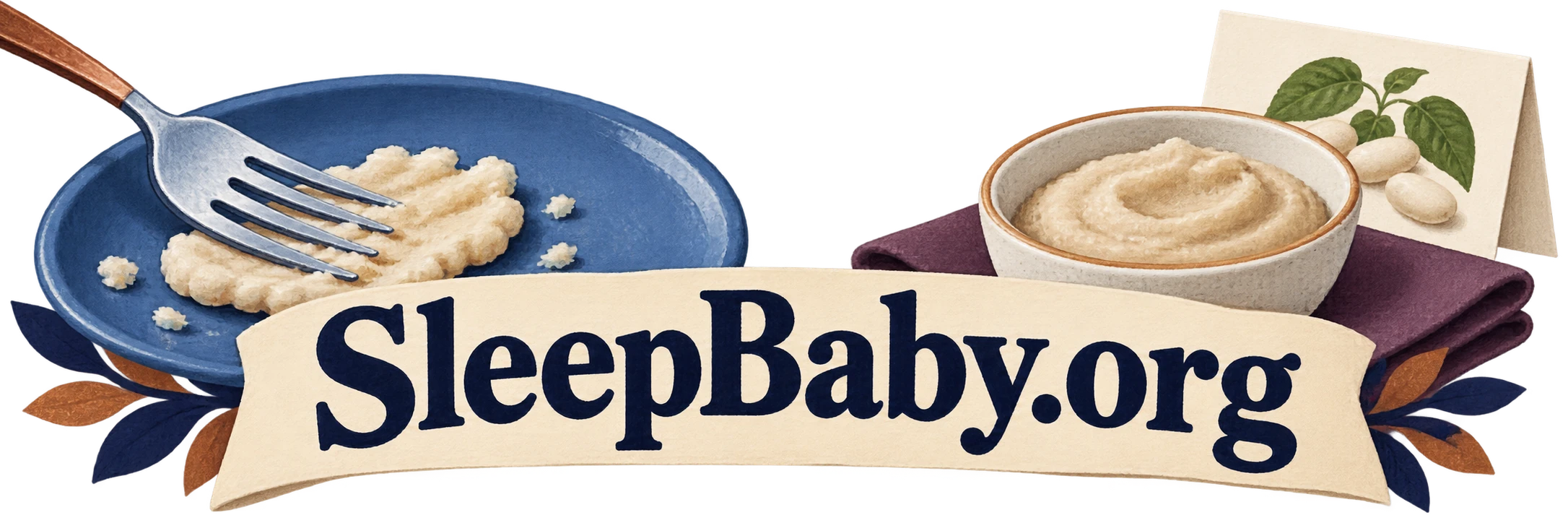
The texture check: soft, broken down, moist
A whole kidney bean can be soft and still be the wrong shape for a baby. The CDC names whole beans as a choking hazard. My starting point would be a thorough mash or puree, with the texture matched to your baby’s current eating skills.
Three checks in the preparation bowl
- Soft
- The bean crushes easily with a fork. A hard center means it needs more preparation.
- Broken down
- No intact round or oval beans remain in the serving. Mash thoroughly or blend for a smoother texture.
- Moist
- The mash is manageable for your baby, rather than a dry, dense spoonful. Add a little suitable liquid if needed and stir well.
This is a kitchen reminder, not a test that guarantees a food cannot cause choking. Position, supervision and your baby’s feeding skills still matter.
You can loosen the individual portion with a little water, breast milk or correctly prepared formula. If using formula, prepare it normally before adding it to food. Do not sprinkle dry formula powder into the mash or change the water-to-powder ratio. A clean fork and sturdy bowl may be enough; a blender can help when you need a smoother result.
Some skins may remain visible after mashing. Look at the whole texture rather than assuming that removing skins makes intact beans suitable. If the result is still coarse or difficult for your baby to manage, blend it more smoothly. Repeated coughing, struggling or difficulty moving food around the mouth is a reason to stop and ask for feeding advice.
After the meal, another kind of routine
Put the beans away. Keep bedtime familiar.

If you want to explore ordinary bedtime routines and baby sleep schedules, visit SleepBaby.org to read the current SleepBaby.org Method offer.
A can of beans can simplify one kitchen task, but it cannot answer every evening question. I would choose the food for your baby's readiness and nutrition, offer it while you can supervise, and keep the question of sleep separate. A bigger serving is not a bedtime strategy.
The small routines around a meal can be straightforward: label the untouched portions, clear the feeding bowl and carry on with familiar care. When your questions turn to the usual rhythm of evenings or sleep schedules, the homepage describes the current SleepBaby.org Method. You can read that offer at your own pace.
This is an invitation to consider a sleep resource, not advice for treating gas, an allergic reaction or a feeding problem. Seek medical advice for concerning symptoms, and do not delay it to read an offer. The bean-preparation guidance here is useful without buying anything.

How to offer the first taste
Choose an ordinary daytime opportunity when your baby is alert and you can pay attention. Put a small amount in a separate bowl, leaving the untouched batch for storage. Sit your baby upright in an appropriate high chair with its harness fitted, and stay with them throughout the meal.
Offer a small spoonful and wait for your baby’s response. They may open their mouth for more, turn away, or spend more time exploring than swallowing. I would let that response set the pace. There is no useful reason to work through a predetermined number of beans when your baby is telling you they are done.
As eating skills develop, introduce a wider range of suitable textures instead of keeping every food permanently smooth. That does not mean moving directly from puree to whole beans. The NHS first-foods guidance describes gradual texture progression and responsive feeding. Ask your clinician for an individual plan if your baby has swallowing difficulties, was born prematurely or has a medical feeding concern.
Do canned kidney beans need boiling again?
Commercially canned kidney beans are different from dried kidney beans. Health Canada explains that the canning heat treatment is sufficient to destroy the lectins of concern; canned red kidney beans do not need further cooking for that purpose. Illinois Extension likewise says canned beans can be mashed or pureed without additional cooking.
You may still need to soften them further for your baby’s texture needs, or follow a particular product’s preparation directions. If you warm a serving, stir it and check its temperature before offering it. Do not confuse a lukewarm bowl with a uniformly cool mouthful.
Dried kidney beans need proper soaking and boiling. The FDA describes the risk of severe vomiting and diarrhea from raw or undercooked beans. Do not apply the canned-bean shortcut to dried beans or offer a partly cooked bean as a taste test. For a quick baby meal, a plain canned product avoids having to complete that dried-bean preparation step.
An optional tool for the mashing step
The OXO Tot Food Masher, Opal is one small bowl-and-masher set to consider if you often prepare portions of soft foods. OXO describes ridges in the bowl and on the masher, with the tool coming apart to fit inside the lidded bowl.
I would consider it for convenience, then still check the finished beans myself. It does not cook a firm bean, guarantee a suitable texture or prevent choking. Use it with appropriately softened food and follow the care instructions.
Already-owned alternative: a clean fork and sturdy bowl or plate can do the mashing step. A separate gadget is optional.
As an Amazon Associate, I earn from qualifying purchases.
Easy ways to make beans part of a meal
Once your baby has tried the individual ingredients, combine the beans with familiar foods in a suitable texture. These are meal-building ideas, not a required recipe or a promise that your baby will prefer one variety.
- White-bean and vegetable mash: thoroughly mash soft white beans with a familiar cooked vegetable. Check that no firm vegetable pieces remain.
- Black-bean puree: blend rinsed, soft black beans with enough suitable liquid for a manageable consistency. Serve a small portion beside another familiar food.
- Beans with iron-fortified cereal: prepare the cereal as directed, then mix in a little smooth bean puree if the combination suits your baby. Check thickness after mixing.
- A share of a family bean dish: set aside the baby’s ingredients before salt or strong sauces are added, then prepare that portion separately for their skills.
Beans contain plant-based iron. Pairing plant iron with vitamin-C-containing foods can help absorption; the CDC gives examples of this pairing. You can use an age-appropriate prepared fruit or vegetable rather than giving juice. You do not need to calculate a special ratio for every bowl.
Keep variety across the day. Beans can take a place alongside other suitable foods, but they are not a substitute for every other protein or iron source. If you are planning a vegetarian or vegan diet for your baby, ask a qualified clinician or pediatric dietitian about the overall feeding plan rather than relying on one ingredient.

What about baked beans, refried beans and hummus?
Baked beans: check the sauce for salt and added sugar, and prepare the beans rather than offering them whole. Plain beans give you more control over the ingredients. A sweet sauce is not needed to introduce the flavor of beans.
Refried beans: do not assume the name means the texture is already right. Check for whole beans, dense lumps and added ingredients. Thin a suitable smooth portion if needed. A can intended for a seasoned family meal may contain more salt than the plain alternative.
Hummus: this is a mixture, not just chickpeas. It commonly contains tahini, which is made from sesame, and may contain added salt. Read the label and consider each ingredient and your baby’s allergen-introduction plan. Do not make a complicated dip the first exposure to several new foods at once.
Gas, allergy symptoms and when to seek help
If you notice changes after a bean meal, write down what your baby ate, what else was in the dish and what happened afterward. A different diaper or a fussy evening does not, by itself, prove a bean allergy. I would look for a repeatable pattern and discuss persistent concerns rather than label a whole food group off-limits.
Stop the food and seek medical advice if your baby develops a possible reaction such as an itchy rash, vomiting or swelling. The NHS includes beans, lentils and peas among foods that can trigger reactions. Keep the package or ingredient list, especially when the food was a mixed dish.
Call emergency services immediately for difficulty breathing, sudden swelling of the mouth or tongue, blue or very pale coloring, or a baby who becomes limp or does not respond normally. Follow any prescribed allergy emergency plan. These can be signs of anaphylaxis, and you should not wait for a rash to appear.
Repeated vomiting, inability to keep fluids down, blood in diarrhea or refusal of fluids also needs prompt medical assessment. Do not write these off as ordinary gas or keep offering beans to see whether your baby adjusts. If there is a choking emergency, use the immediate action above; the American Red Cross infant-choking resource is a place to learn the response before an emergency occurs.

Store the untouched portion, discard the feeding leftovers
Use a clean utensil to transfer a small portion into your baby’s bowl. Once that spoon or bowl has been used for feeding, its remaining food should not go back into the stored batch. FDA baby-food guidance explains how saliva can contaminate saved food.
A small-batch storage plan
- Refrigerate untouched mash promptly in a clean covered container at 40°F/4°C or colder. Use within 1 to 2 days, or sooner if the label or another ingredient requires it.
- Freeze small untouched portions if you will not use them in that window. Cover, label and date them; use within 3 months.
- Thaw in the refrigerator. Use within 24 hours of defrosting. Never offer frozen bean-mash cubes as finger food.
- Reheat only once. Heat previously cooked food until steaming throughout, stir and let it cool before feeding.
- Discard food left in the feeding bowl. Keep that decision separate from storing food your baby has not touched.
The short refrigerator window is for baby food prepared at home, not a claim that every opened can has the same label instructions. NHS storage guidance supports using refrigerated baby food within 2 days and thawed food within 24 hours.
Do not leave the prepared food on the counter through a long meal and cleanup. The FDA’s limit for perishable food is 2 hours at room temperature, or 1 hour above 90°F/32°C. Refrigerate promptly rather than aiming for that deadline. If you do not know when a portion was prepared or how it was stored, use a fresh one.
Watch: readiness comes before choosing a food
1,000 Days explains signs of readiness for first foods in this short video. It is a general feeding resource, not a demonstration of bean preparation or a choking-first-aid lesson.
Written takeaway: readiness around 6 months includes the ability to sit with a steady head and interest in bringing food to the mouth. Ask your clinician about individual feeding needs. The official 1,000 Days resource also provides written guidance.
What I would leave on the caregiver note
Make the next serving easy to recognize
Food: the bean variety and anything mixed in. Prepared: date and time. Use by: the shortest applicable storage limit. Texture: the mash or puree your baby currently manages. Feeding: a separate bowl, upright position and an adult staying beside the baby.
Include any allergy or feeding instructions from your clinician. Do not leave a container of whole beans with the expectation that everyone will know how your baby needs them prepared.

A can can make the cooking easier, but the final preparation still belongs to you. Choose a plain product, rinse it, make a soft and manageable mash, and put the untouched food away. Then let your baby’s cues decide how much of that small serving becomes a meal.
Sources
- NHS includes beans and pulses among foods suitable from around 6 months
- NHS foods-to-avoid guidance
- University of Illinois Extension's baby-food guidance
- USDA guidance warns against damaged cans and food that spurts when opened
- CDC names whole beans as a choking hazard
- NHS first-foods guidance
- Health Canada explains that the canning heat treatment is sufficient to destroy the lectins of concern
- FDA describes the risk of severe vomiting and diarrhea from raw or undercooked beans
- CDC gives examples of this pairing
- NHS includes beans, lentils and peas among foods that can trigger reactions
- signs of anaphylaxis
- American Red Cross infant-choking resource
- FDA baby-food guidance
- NHS storage guidance
- FDA's limit for perishable food
- NHS: Readiness for first foods
- Newfoundland and Labrador: Responsive feeding and food variety
- 1,000 Days: Readiness for first foods
- OXO: Food Masher, Opal
One meal, one step at a time
A place for your everyday bedtime questions
Keep food preparation guided by safety and your baby's skills. For a separate look at routines and sleep schedules, the SleepBaby.org homepage has the current Method offer.





What viewers said10 comments · 4 replies+
Archived comments from the original Baby Sleep Miracle presentation. Not independently verified by SleepBaby.org; individual experiences vary.
Thank you so much for this video! I had no idea about the dangers of baby swings :O
Hi Mary-Ann. I have a question: Is method in any way similar to the ones recommended by Dr Bucknam, Dr. Weissbluth or Dr. Karp? We tried those but none of them help.
Hi Regina, thank you for your question. The short answer is no. The techniques I share in my guide are based on newest scientific research and this is why I have never seen any approach similar to the one I recommend.
This method really works! I tried it on my son Jesus and after just one week he went from waking up more than 5 times a night to waking up just once or twice. You are a lifesaver, Mary-Ann!
I'm truly impressed with how much information you share in your video. And all for free! I can feel that you truly care about mothers like myself, and that's hard to find these days. I have recommended your site to several of my friends already.
Mary-Ann, our child suffers from autism. Is your approach still suited?
Chloe, I made sure my method can be used with any child, even babies who are special like yours. Please note that I'm not a doctor and that I always advice to consult with your physician because nothing is more important than the safety and well-being of your love.
Hallo Mary-Ann, I'm from Germany. Do you have your guide in German?
Hello Heide, we do! Normally you should already see our video in German. If not, please contact our support so they can guide you
Thenk you for your answer, Mary-Ann!
I just completed your approach and I have to say, it worked almost too well. Yes, it took a bit of getting used to with your bedtime routine but the difference is huge. My son George used to take 1 hours to go down and now he's firmly asleep in no more than 10 minutes! You're the best!
It seems I'm the only man watching this video, lol! What you shared about the 'emotional backpack' made immediate sense to me and I can't wait to help my little girl Mila to unpack it!
Hey there, just discovered your site and this really sounds different. Just wanted to say thanks for sharing :)
For everyone who's still thinking about getting Mary-Ann's guide I want to advise you to go ahead. I wasn't sure myself but now I'm so thankful I invested in this program. It made a huge difference in our life as a family and yes, my baby girl does sleep through the night now.