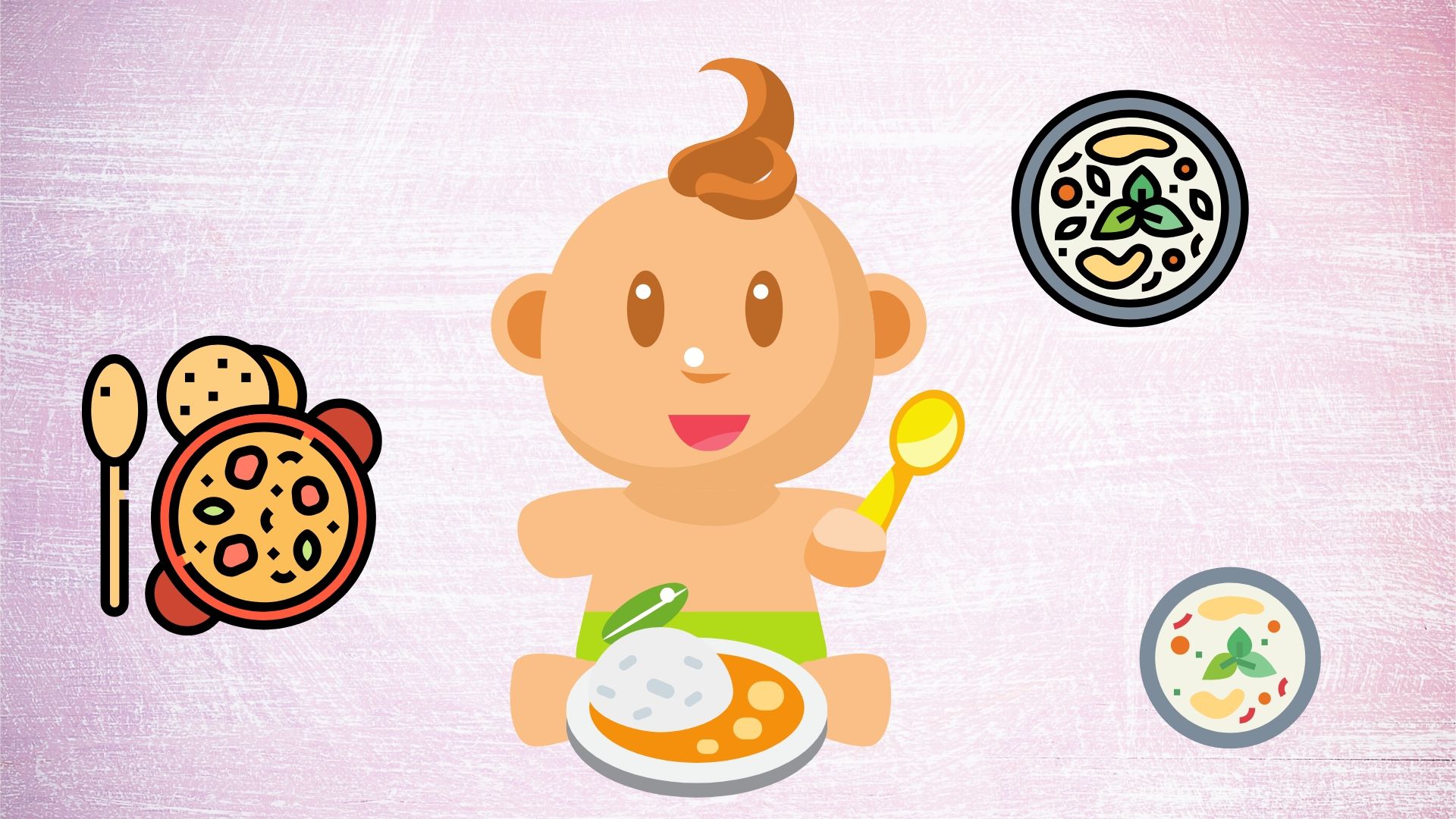
One of the most common questions among new parents is whether it’s safe for their babies to eat diverse, flavorful foods like curry. We’ll delve into this topic and provide useful insights on when and how to introduce curry to your baby’s diet.
Can Babies Eat Curry?
Yes, your baby can indeed enjoy curry, typically beginning at six months old. This flavorful dish can be an exciting addition to your baby’s developing palate. Children are open to exploring new flavors, and they learn to communicate their preferences over time.
Creating a Safe and Enjoyable Curry Experience for Your Baby
It’s crucial to introduce your baby to curry and other spices gradually, offering mild versions that don’t include hot chili peppers. Aim to give your baby a small amount of curry to start with, slowly increasing the quantity as your baby becomes accustomed to the flavor.
Allergy Awareness
Most babies handle spices well, but it’s essential to monitor your baby for any potential allergic reactions to new foods or spices.
The Importance of Diversity in Food Choices
Exposing your baby to a range of flavors early in life can help them enjoy food, form healthy eating habits, and learn about different cultures.
What is Curry?
Curry is a blend of various herbs and spices, dried and mixed to create a flavorful addition to meals. It’s a staple in Southeast Asian cuisine, and it comes in different forms like pastes, powder, roux cubes, and curry leaves.
When Can My Baby Have Curry?
Typically, your baby can start having curry at six months old. The versatile nature of curry allows it to be added to various foods like fish and lentil purees, chicken purees, or meat when your baby begins teething. Over time, this helps build your baby’s palate, introducing them to more vibrant flavors and fostering a curiosity about food.
Benefits of Feeding Your Baby Curry
Feeding your baby curry has several health benefits, as it contains a blend of herbs and spices that help strengthen their immune system and improve digestion. Moreover, specific components of curry, like Fenugreek, can stimulate breast milk production.
When Can My Baby Eat Spicy Food?
Most recipes for curry include hot chilies or cayenne pepper, which can be too intense for your baby. It’s advisable to wait until your baby is at least one year old before introducing spicy foods.
Can a 5-Month-Old Baby Eat Curry?
While the typical recommendation is six months, some babies may be ready to try mild curry as early as five months old. Always consult your pediatrician before introducing new foods to your baby’s diet.
Curry Recipes Suitable for Babies
While many curry dishes contain hot spices that are not suitable for babies, there are plenty of mild curry recipes, such as chicken curry or tikka masala, that can be safely offered. Always avoid adding excessive salt, chili powder, or other strong spices that may upset your baby’s digestive system.
Can Babies Have Curry from a Jar or Coconut Milk in Curry?
Yes, babies can have jarred baby food with curry, as long as it is mild and free from harmful additives. Additionally, coconut milk used in curry dishes is generally safe for babies, provided there are no allergies.
Spices in Baby Food: What’s Safe and What’s Not?
Many spices, such as cinnamon, cumin, turmeric, and dill, are safe to introduce to babies around six months of age. However, spicy seasonings like chili powder and certain all-purpose blends may be too harsh for your baby’s developing digestive system. Garlic and onion can be introduced at this age, but keep quantities small to avoid discomfort.
Spicing Up Baby’s Food: When Can Babies Taste Spicy Food?
It’s generally recommended to wait until a baby is at least one year old before introducing spicy foods. However, some cuisines, such as Mexican and Indian, may incorporate mild spices into baby food earlier.
International Cuisine: Can Babies Eat Indian Food?
Indian cuisine offers a variety of dishes that are baby-friendly. Not all Indian curries contain coconut milk, and many can be made into a mild version suitable for babies. Foods like dahl and rice, mildly flavored with curry, can be a wonderful introduction to this cuisine.
When Can Children Start Eating Spicy Foods?
Although there’s no definitive age, it’s generally accepted that by age 2 or 3, most children can begin trying mild spicy foods, including Japanese curry. Always start with small amounts and pay attention to your child’s reaction.
Customizing Curry for Babies
Adapting curry for your baby is as simple as moderating the spice level and ensuring the ingredients are finely chopped or pureed. You can find numerous baby curry recipes online, including on resources such as the NHS website, which provides trustworthy advice on baby nutrition.
How Does Feeding Curry Affect a Baby’s Sleep?
Food can significantly impact a baby’s sleep quality. If your baby has curry in their diet, it may alter their sleep schedule. It’s important to note that some parents believe that certain ingredients in curry may cause disturbances like nightmares in a baby’s sleep. At SleepBaby.org, we provide invaluable resources to help parents understand and manage the impact of food on their baby’s sleep.
Conclusion
Introducing your baby to different cuisines like curry not only expands their taste palette but also fosters a connection with diverse cultures and customs. However, it’s essential to consider the impact of these new foods on your baby’s sleep. SleepBaby.org can be your partner in this journey, helping you navigate the exciting process of broadening your baby’s culinary horizons while ensuring optimal sleep health.




What viewers said10 comments · 4 replies+
Archived comments from the original Baby Sleep Miracle presentation. Not independently verified by SleepBaby.org; individual experiences vary.
Thank you so much for this video! I had no idea about the dangers of baby swings :O
Hi Mary-Ann. I have a question: Is method in any way similar to the ones recommended by Dr Bucknam, Dr. Weissbluth or Dr. Karp? We tried those but none of them help.
Hi Regina, thank you for your question. The short answer is no. The techniques I share in my guide are based on newest scientific research and this is why I have never seen any approach similar to the one I recommend.
This method really works! I tried it on my son Jesus and after just one week he went from waking up more than 5 times a night to waking up just once or twice. You are a lifesaver, Mary-Ann!
I'm truly impressed with how much information you share in your video. And all for free! I can feel that you truly care about mothers like myself, and that's hard to find these days. I have recommended your site to several of my friends already.
Mary-Ann, our child suffers from autism. Is your approach still suited?
Chloe, I made sure my method can be used with any child, even babies who are special like yours. Please note that I'm not a doctor and that I always advice to consult with your physician because nothing is more important than the safety and well-being of your love.
Hallo Mary-Ann, I'm from Germany. Do you have your guide in German?
Hello Heide, we do! Normally you should already see our video in German. If not, please contact our support so they can guide you
Thenk you for your answer, Mary-Ann!
I just completed your approach and I have to say, it worked almost too well. Yes, it took a bit of getting used to with your bedtime routine but the difference is huge. My son George used to take 1 hours to go down and now he's firmly asleep in no more than 10 minutes! You're the best!
It seems I'm the only man watching this video, lol! What you shared about the 'emotional backpack' made immediate sense to me and I can't wait to help my little girl Mila to unpack it!
Hey there, just discovered your site and this really sounds different. Just wanted to say thanks for sharing :)
For everyone who's still thinking about getting Mary-Ann's guide I want to advise you to go ahead. I wasn't sure myself but now I'm so thankful I invested in this program. It made a huge difference in our life as a family and yes, my baby girl does sleep through the night now.