
Check your baby before you check the side-effect list
Get urgent help for a baby who cannot wake normally
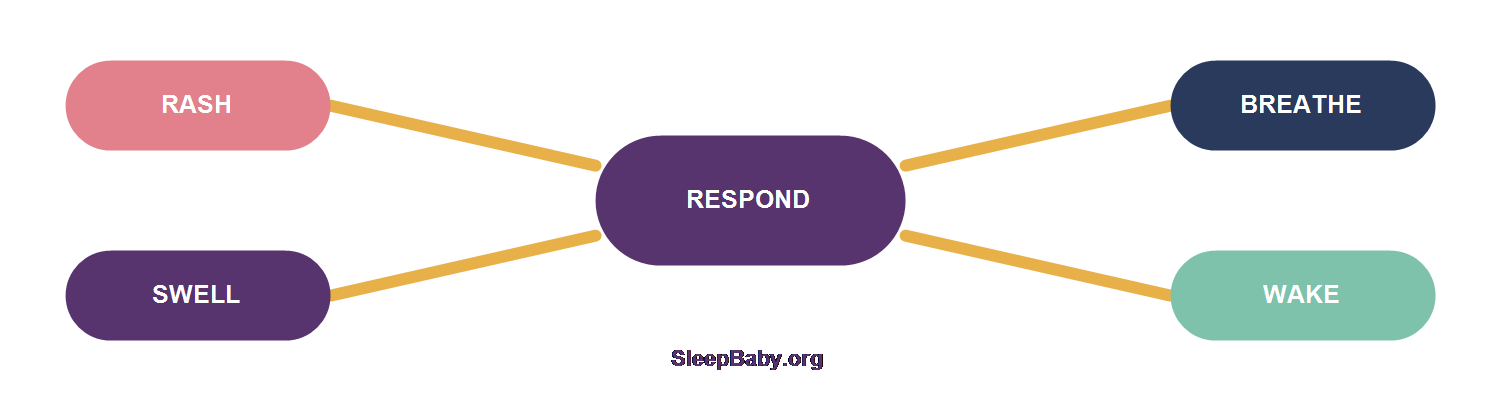
Call emergency services now if your baby is unresponsive, limp, struggling to breathe, blue or gray, has swelling of the face, tongue or throat, collapses, has a seizure, or develops a rapidly spreading, blistering or peeling rash. Do not wait to see whether the next nap looks better.
The medicine bottle is on the counter. Your baby has slept through the refrigerator door, the dog moving in the hallway, and the small domestic noises that usually earn at least one suspicious eyelid. That is often the moment a parent searches, “Can amoxicillin make my baby sleepy?”
Amoxicillin does not commonly cause sleepiness in babies. The FDA label for amoxicillin liquid lists diarrhea, rash, vomiting and nausea as the most common reactions—not drowsiness. A sick baby may sleep more because of the infection, a rough previous night or the work of recovery. But new or marked sleepiness should not be automatically blamed on the antibiotic. What matters is whether your baby wakes and responds normally, feeds close to usual, makes wet diapers, breathes comfortably, has normal color and seems like themselves while awake.
I would not try to solve this by comparing one nap with an internet side-effect list. I would look at the baby attached to the nap. “Sleepier” can mean peacefully taking an extra hour and waking ready to feed. It can also mean a baby who barely opens their eyes, cannot sustain a feed or feels startlingly unlike themselves. Those are not the same observation, and that difference decides what to do next.

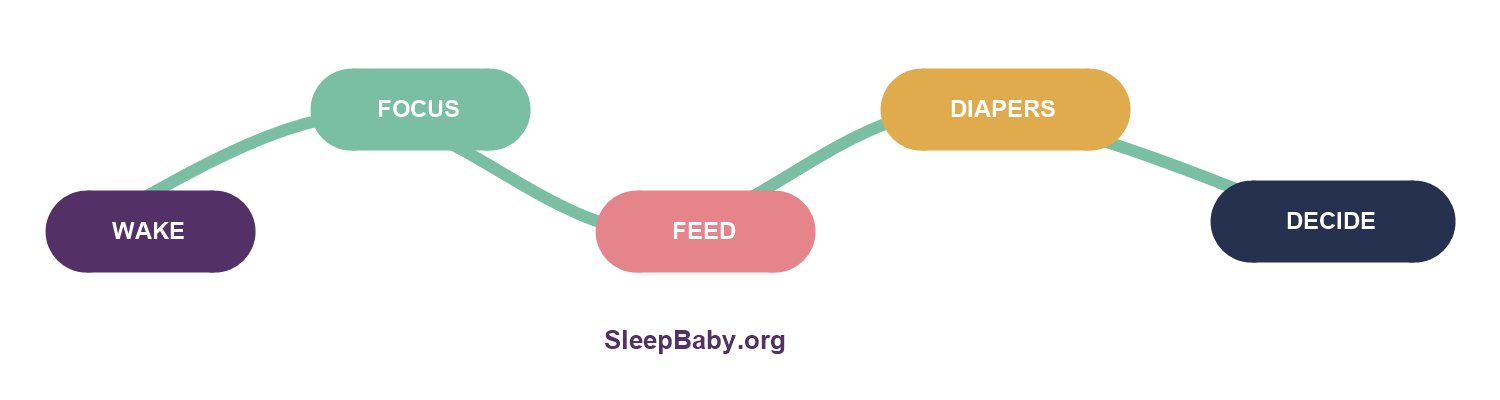
The SleepBaby response lens
Three very different meanings of “sleepy”
Extra rest, normal response
Your baby wakes with ordinary effort, looks at you, breathes and looks normal, feeds close to baseline, has usual wet diapers and behaves recognizably while awake. Record the change and keep watching the whole illness pattern.
Different enough to call
Your baby is rousable but markedly less alert, feeds less effectively, has fewer wet diapers, repeatedly vomits, has significant diarrhea, develops a new rash, or seems worse rather than better. Contact the prescriber promptly.
Hard to wake or system signs
A baby who cannot wake normally, is limp or unresponsive, struggles to breathe, changes color, swells around the face or mouth, collapses, seizes or develops a severe skin reaction needs emergency assessment now.
SleepBaby.org teaching note: This lens helps organize observations. It does not diagnose the cause of sleepiness.
Why might a baby sleep more after starting amoxicillin?
The timing can make the medicine look responsible even when the infection is the more likely explanation. A baby starts amoxicillin because something is already wrong: an ear infection, another bacterial infection, pain, fever, disrupted feeding or several difficult nights. Treatment begins at the same time the body is asking for more rest. Two events can happen together without one causing the other.
I would ask what changed before the first dose. Was your baby already napping longer, waking more often overnight, eating less or using more energy to cope with discomfort? If yes, the extra sleep may belong to the illness timeline. If the sleepiness began abruptly after a dose, is intensifying, or comes with a rash, swelling, breathing change, repeated vomiting, diarrhea, paleness or weak feeding, the medication timeline matters more and deserves a call.
Amoxicillin can upset the stomach. Vomiting or diarrhea can reduce intake and contribute to dehydration, and dehydration itself can make a baby less active or excessively sleepy. That is why “the antibiotic made her tired” can be too simple. The more useful chain might be: illness plus stomach symptoms, less milk, fewer wet diapers, then reduced alertness. The action is to assess the chain—not to guess which link deserves all the blame.
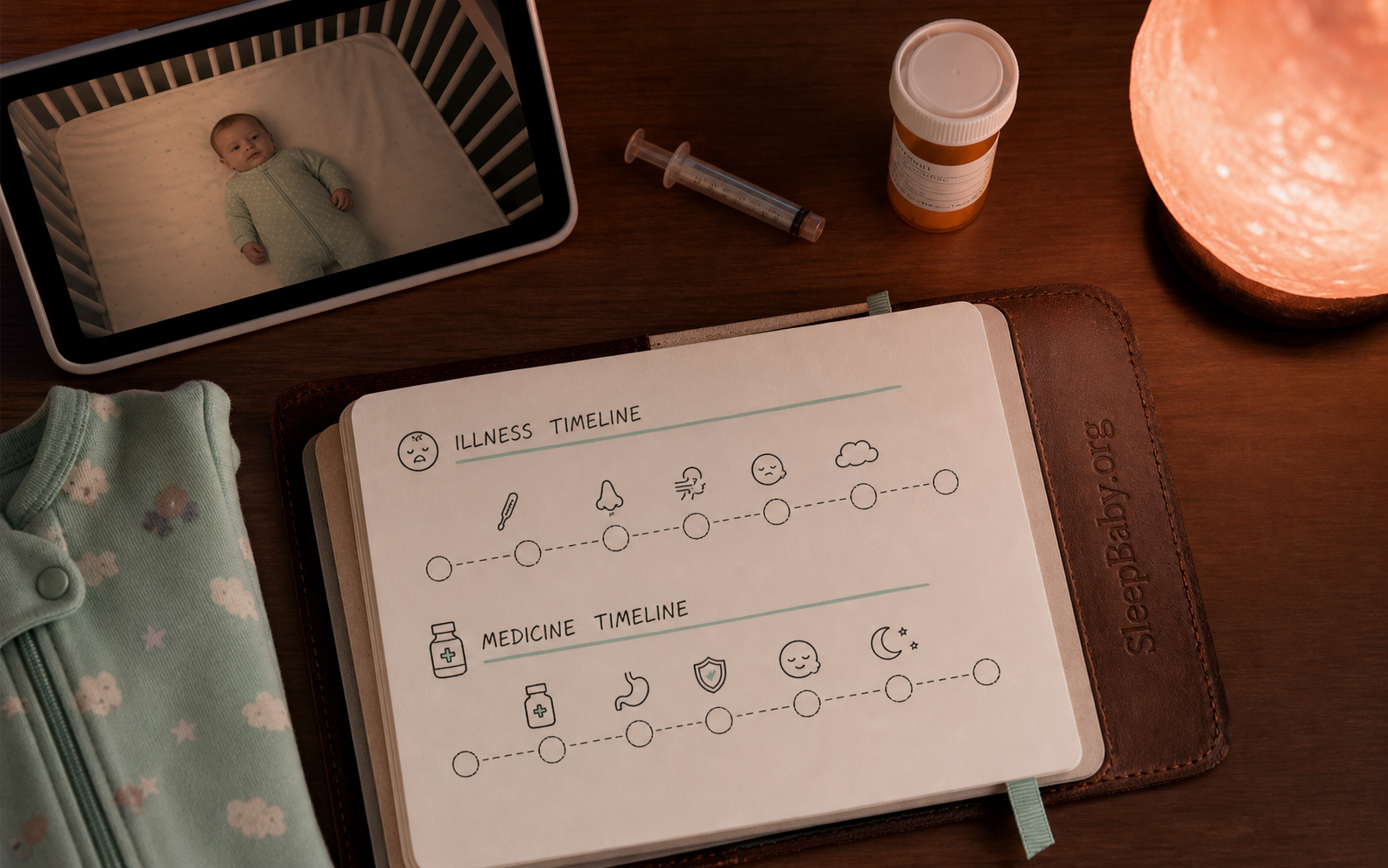
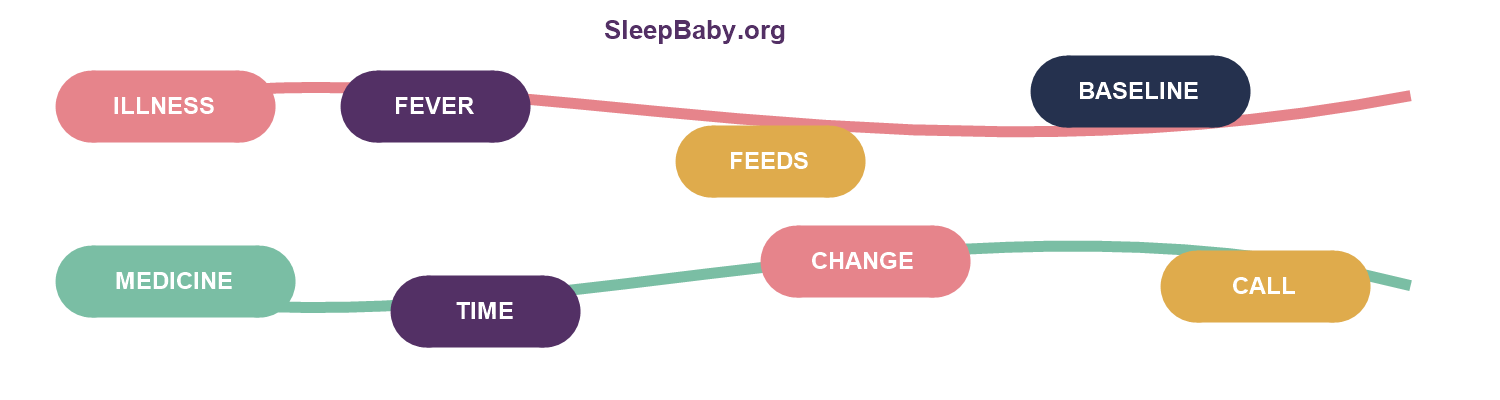
Build a two-line timeline, not a theory
Illness line: fever, pain, congestion, feeding, vomiting or diarrhea, wet diapers, alertness and sleep before treatment.
Medicine line: dose times, when sleepiness appeared, whether it repeats after each dose, and any rash, swelling, breathing or stomach symptoms.
A short factual timeline gives the prescriber far more useful information than “she seems off.” It also stops an exhausted brain from turning coincidence into certainty.
What does “hard to wake” actually mean?
A sleeping baby may need a moment to surface. That is different from repeatedly failing to open their eyes, make eye contact, cry with ordinary strength, move normally or remain awake long enough to feed. The American Academy of Pediatrics’ symptom guidance treats inability to wake as an emergency and difficulty waking as a reason for urgent assessment.
Use the baseline you know. Some babies always wake slowly. What should change your response is a sharp departure: unusually weak movement, a floppy body, a faint cry, poor focus, no normal protest, or immediately slipping back into a state where you cannot engage them. If your instincts are telling you this is not ordinary deep sleep, do not spend another half hour trying home tricks to prove yourself wrong.
Breathing and color belong in the same first look. Watch the chest, ribs and nostrils. Blue or gray lips or face, severe work of breathing, pauses, gasping or a baby who cannot wake normally require emergency help. A webpage cannot safely grade those signs from a description.
Could sleepiness be part of an allergic reaction?
Sleepiness by itself does not prove an allergy. Anaphylaxis is a whole-body emergency, and the clues can include sudden swelling of the lips, mouth, tongue or throat; wheezing or difficulty breathing or swallowing; collapse; abnormal color; confusion or drowsiness; and a child who is limp or not responding normally. A raised itchy rash or hives may also occur.
If those system-level signs are present, call emergency services. Do not drive while trying to monitor a baby whose breathing or responsiveness is changing. If your baby develops a new rash but is breathing comfortably and responding normally, contact the prescribing clinician promptly for advice. Not every rash during antibiotic treatment is an allergy, but that distinction belongs with a clinician—not a photo comparison at midnight.
Severe blistering, peeling or rapidly spreading skin changes are also urgent. Do not give an over-the-counter medicine to “test” whether a reaction settles unless a clinician has told you exactly what is appropriate for your baby.
Feeding and wet diapers tell you what the nap cannot
Longer sleep becomes more concerning when it crowds out feeds or when a baby cannot stay awake to eat. Compare the current feed with your baby’s usual pattern: Did they latch or take the bottle with normal strength? Did they finish close to their usual amount? Could they remain awake through the feed? One imperfect feed during illness is information. A repeating pattern of weak or missed feeds needs a clinician.
Wet diapers are another useful trend. Fewer urinations, a dry mouth, fewer tears, a sunken soft spot or reduced activity can point toward dehydration. AAP guidance lists excessive sleepiness among severe dehydration signs. Do not wait for every sign to appear. Babies have smaller reserves than adults, and vomiting or diarrhea can change the picture quickly.
For a young infant—especially under three months—the threshold to call is lower. Fever, abnormal behavior, poor sucking, difficult waking or a baby who simply looks unwell deserves prompt professional assessment. Follow the age-specific plan given by your baby’s clinician rather than using a general article as permission to wait.
What should you do after noticing extra sleep after a dose?
- Check responsiveness, breathing and color now. Escalate immediately if your baby cannot wake normally or has emergency signs.
- Offer the next appropriate feed if due. Notice strength and stamina rather than forcing a baby who cannot safely coordinate feeding.
- Check the diaper trend. One diaper is a snapshot; a marked drop from baseline matters.
- Look for companions. Rash, swelling, vomiting, diarrhea, fever, pain and worsening illness change the decision.
- Write down the dose and symptom times. Keep the prescription bottle beside you when you call.
- Contact the prescriber for a marked change. Do not independently stop, skip, repeat, double or change the prescribed amount.
If the wrong amount may have been given, a dose was repeated, another child’s medicine was used or the bottle was accessed accidentally, contact Poison Control in the United States at 1-800-222-1222 or use webPOISONCONTROL. Do not wait for sleepiness and do not calculate risk from an online dosing table.
Medication accidents: know the next call
Hawaii Poison Control explains what to do after a child ingests a poisonous product
This short verified-news interview with the Hawaii Poison Control Center reinforces the action that matters: get expert poison guidance promptly instead of waiting for symptoms or trying a home remedy.
Takeaway: An unexpected amount or accidental ingestion is a Poison Control question now, not a side-effect experiment overnight. Open the video on YouTube.
A clearly labeled composite Kacey-and-Benjamin moment
The quiet that changes meaning when you check the baby
Imagine I have just set the measuring syringe down and Benjamin sleeps past the cupboard closing—a sound that normally earns me a brief, offended stare. I feel the familiar pull to explain the whole thing immediately: medicine equals sleepiness. Instead, I put my hand where I can see and feel his breathing, check his color, and wake him enough to know whether he can focus on me and feed with ordinary strength.
If he opens his eyes, protests normally, eats and returns to sleep, I have a calm observation to record. If I cannot wake him in the way I know him to wake, the theory no longer matters; I need help. This composite scene is not a claim that Benjamin took amoxicillin or had a reaction. It is the distinction I want beside every parent holding a medicine bottle in a too-quiet room: response first, explanation second.

Keep the medicine routine boring and exact
Liquid amoxicillin should be given exactly as prescribed. Shake the suspension as directed and use a marked oral syringe or other measuring device approved by the pharmacist—not a kitchen spoon. If a dose is missed, follow the prescription instructions or ask the pharmacist; never double a dose to catch up.
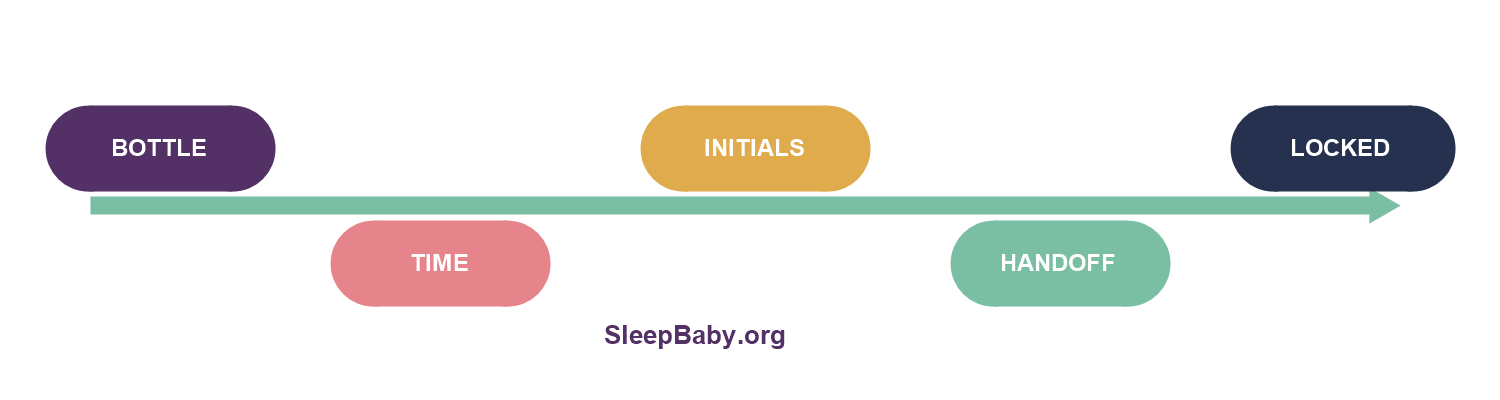
I would keep one simple written record: scheduled time, actual time and initials of the adult who gave it. That is especially useful overnight or when caregivers trade shifts. Do not add symptom scoring, home dose calculations or several new remedies. The record’s job is to prevent a duplicate and help the prescriber understand timing.
Most bacterial infections begin improving within roughly 48 to 72 hours of starting an antibiotic, according to AAP parent guidance, but the prescriber’s plan and your baby’s condition come first. Call if symptoms worsen or do not improve as expected. Improvement does not mean the prescription should be stopped early; complete it as directed unless the treating clinician changes the plan.
A comparison that is more useful than “sleepy: yes or no”
Compare four ordinary functions with your baby’s own baseline
- Waking
- Do they open their eyes, focus, move and protest with roughly their usual strength?
- Feeding
- Can they begin, coordinate and stay awake for a feed close to their usual pattern?
- Hydration
- Are wet diapers continuing near baseline, with a moist mouth and ordinary tears when crying?
- Awake behavior
- Between sleeps, do they look, move, vocalize and respond in a way you recognize?
You do not need every answer to be perfect during an illness. You are looking for direction: stable, improving, or clearly moving away from your baby’s usual pattern.
Age changes how long I would watch
A six-week-old and an eleven-month-old should not be given the same wait-and-see threshold. Young infants may not show illness dramatically, and sleepiness can interfere with the frequent feeding they need. A baby under three months with fever, difficult waking, abnormal breathing, poor feeding, weak crying, unusual color or behavior that seems wrong needs prompt medical assessment. Follow any newborn feeding, jaundice, prematurity or weight-gain plan your clinician has already given you.
An older baby may take a longer nap after fever, pain or a broken night and then wake, drink and play in a recognizable way. That fuller recovery picture can support observation. Age never cancels emergency signs, though. “He is usually a deep sleeper” is not a reason to ignore new limpness, poor responsiveness or breathing trouble.
I would also lower the call threshold for a baby with kidney disease, immune problems, complex medical needs, repeated vomiting or diarrhea, or a previous serious antibiotic reaction. The prescriber knows why the medicine was chosen and what improvement should look like for that infection. That context is more valuable than a universal internet timer.
The two-adult medication-night handoff
Prevent the duplicate before exhaustion creates it
When caregivers trade shifts, say three facts aloud and write them once: what was given, when it was given, and who gave it. The incoming adult reads the prescription label rather than relying on memory. If the written time and someone’s recollection disagree, pause and call the pharmacist or Poison Control instead of choosing the answer that seems most convenient.
Keep the bottle and marked syringe together but locked away and out of children’s reach. Do not prefill several syringes unless the dispensing pharmacist specifically instructs you to do so. Do not use color, taste or bottle position as proof that a dose happened. A tiny initial beside the actual time is less charming than a complicated tracker and much harder to misunderstand at 2 a.m.
SleepBaby.org teaching note: This handoff prevents uncertainty; it does not alter the prescribed schedule or amount.
A practical tool for the administration problem—not the medical decision
Frida Baby MediFrida Accu-Dose Pacifier Medicine Dispenser
If your baby fights a standard oral syringe, the MediFrida gives that already-measured liquid a pacifier-shaped path toward the side of the cheek. That makes it a more exact fit here than a general medicine organizer or another thermometer: it addresses the awkward moment of delivering a prescribed liquid without pretending to choose the dose or explain sleepiness.
Use only the amount measured in the pharmacist-approved syringe and follow the prescription label. This tool does not prevent reactions, guarantee a swallowed dose or make amoxicillin safer. If your baby does not accept a pacifier or your pharmacist recommends another technique, use that guidance instead.
See the MediFrida medicine dispenser on Amazon
As an Amazon Associate, SleepBaby may earn from qualifying purchases.
Keep sleep safe while your baby is sick
Extra supervision does not require an unsafe sleep position. Put your baby on their back on a firm, flat, noninclined sleep surface in a crib, bassinet or play yard that meets current safety standards. Keep the space empty of pillows, loose blankets, positioners and toys. Do not elevate the mattress for congestion and do not let a sick or sleepy baby remain asleep in a swing, lounger or other sitting device.
If you are watching more closely, move yourself closer rather than changing the sleep surface. Use the monitor, set an appropriate check with another awake adult, and protect your own alertness. A medication night can become a caregiver-exhaustion night quickly. If you might fall asleep while holding or feeding your baby, move away from a couch or armchair and get another adult involved when possible.
Once urgent concerns are excluded, our guide to judging a longer-than-usual nap by waking, feeding and diapers can help you read the broader sleep pattern. That link belongs here, in the non-emergency branch—not between a parent and the instruction to call.
Questions parents ask after the first sleepy day
Should I stop amoxicillin if my baby seems sleepy?
Do not independently stop or change a prescribed antibiotic solely because your baby slept longer. First assess responsiveness and emergency signs. Contact the prescriber promptly about marked or recurring sleepiness, feeding or hydration changes, rash, vomiting, diarrhea or worsening illness. Emergency reaction signs require emergency help rather than waiting for the prescriber’s office.
Is it normal to sleep more when taking antibiotics?
Extra sleep may accompany the infection and recovery period, but it is not a reliable sign that the antibiotic is working and drowsiness is not a common labeled amoxicillin reaction. Compare the baby’s waking response, feeds, wet diapers, breathing, color and behavior while awake.
What if my baby sleeps through a dose?
Follow the prescription label and ask the pharmacist or prescriber how to handle the schedule. Do not double the next dose. A baby who cannot be awakened normally for a due feed or medicine is not simply a scheduling question and needs urgent assessment.
Can diarrhea from amoxicillin make a baby tired?
Diarrhea can reduce fluid intake or increase fluid loss, and dehydration can cause reduced activity or excessive sleepiness. Call about significant diarrhea, fewer wet diapers, dry mouth, fewer tears, weak feeding or a baby who is becoming less alert. Bloody, severe or persistent diarrhea needs medical guidance.
How long should I wait for the infection to improve?
AAP parent guidance says many bacterial infections improve within 48 to 72 hours after antibiotics begin. That is not a waiting rule for a baby with urgent signs. Follow the prescriber’s specific expectations and call sooner if the baby worsens, feeds poorly, becomes harder to wake or develops a concerning reaction.
The medicine bottle is one clue; your baby is the evidence
Return to that too-quiet room. The refrigerator still hums. The bottle still sits on the counter. But the question is no longer “Does amoxicillin cause sleepiness?” as if one word on a list could settle the night.
The better question is: How does my baby wake, breathe, feed, look and act? A baby taking an extra restorative nap and waking like themselves gives you room to observe. A baby who is markedly less responsive, feeding weakly, making fewer wet diapers, developing rash or swelling, vomiting repeatedly, struggling to breathe or changing color gives you a reason to call—or to get emergency help now. Check the baby first. Then let the timeline and the clinician help name the cause.
Sources
- DailyMed: Amoxicillin for oral suspension prescribing information
- MedlinePlus: Amoxicillin drug information
- HealthyChildren.org: How Do Antibiotics Work?
- HealthyChildren.org: Antibiotics for Children—10 Common Questions Answered
- HealthyChildren.org: Signs of Dehydration in Infants & Children
- HealthyChildren.org: Newborn Reflexes and Behavior symptom guidance
- Poison Control: Amoxicillin precautions and side effects
- NHS: Side effects of amoxicillin
- Frida: MediFrida product instructions
After the medicine question is answered
Bring the rest of tonight back into focus
Illness can scramble feeds, naps, bedtime and your sense of what is normal. SleepBaby helps you look at the whole pattern and choose one calmer, safer next step—without turning a medical concern into a sleep-training problem.






What viewers said10 comments · 4 replies+
Archived comments from the original Baby Sleep Miracle presentation. Not independently verified by SleepBaby.org; individual experiences vary.
Thank you so much for this video! I had no idea about the dangers of baby swings :O
Hi Mary-Ann. I have a question: Is method in any way similar to the ones recommended by Dr Bucknam, Dr. Weissbluth or Dr. Karp? We tried those but none of them help.
Hi Regina, thank you for your question. The short answer is no. The techniques I share in my guide are based on newest scientific research and this is why I have never seen any approach similar to the one I recommend.
This method really works! I tried it on my son Jesus and after just one week he went from waking up more than 5 times a night to waking up just once or twice. You are a lifesaver, Mary-Ann!
I'm truly impressed with how much information you share in your video. And all for free! I can feel that you truly care about mothers like myself, and that's hard to find these days. I have recommended your site to several of my friends already.
Mary-Ann, our child suffers from autism. Is your approach still suited?
Chloe, I made sure my method can be used with any child, even babies who are special like yours. Please note that I'm not a doctor and that I always advice to consult with your physician because nothing is more important than the safety and well-being of your love.
Hallo Mary-Ann, I'm from Germany. Do you have your guide in German?
Hello Heide, we do! Normally you should already see our video in German. If not, please contact our support so they can guide you
Thenk you for your answer, Mary-Ann!
I just completed your approach and I have to say, it worked almost too well. Yes, it took a bit of getting used to with your bedtime routine but the difference is huge. My son George used to take 1 hours to go down and now he's firmly asleep in no more than 10 minutes! You're the best!
It seems I'm the only man watching this video, lol! What you shared about the 'emotional backpack' made immediate sense to me and I can't wait to help my little girl Mila to unpack it!
Hey there, just discovered your site and this really sounds different. Just wanted to say thanks for sharing :)
For everyone who's still thinking about getting Mary-Ann's guide I want to advise you to go ahead. I wasn't sure myself but now I'm so thankful I invested in this program. It made a huge difference in our life as a family and yes, my baby girl does sleep through the night now.