
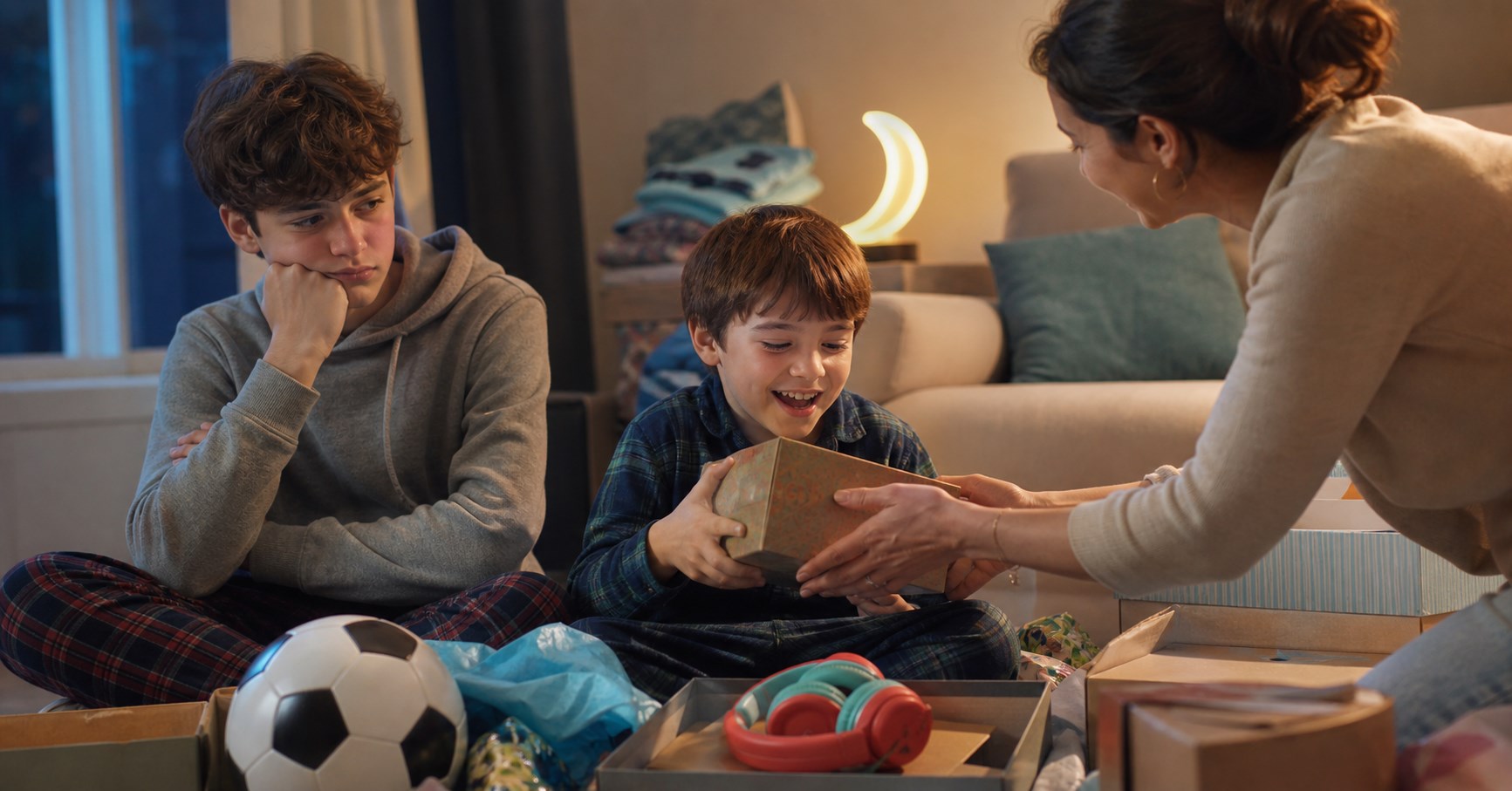
Feeling that your sibling, particularly your brother, gets preferential treatment is not uncommon in families. This article aims to shed light on this perceived favoritism and offers strategies for addressing it.
Decoding Favoritism in Families
Why Does It Seem Like My Brother Gets Everything He Wants?
The perception that a sibling, especially a brother, is favored can stem from various factors, including differing parental expectations, individual sibling needs, or simply misinterpretation of parental actions.
Is It Normal for Parents to Have Favorites?
While parents may not intentionally favor one child over another, differences in parenting each child, based on factors such as age, personality, or needs, can sometimes be misconstrued as favoritism.
Impact of Perceived Favoritism
How Does Favoritism Affect Sibling Relationships?
Perceived favoritism can lead to feelings of jealousy, resentment, and competition among siblings, potentially straining relationships.
What Are the Psychological Effects of Favoritism?
Feeling overlooked compared to a sibling can lead to self-esteem issues, feelings of inadequacy, and increased levels of stress or anxiety.
Addressing Perceived Favoritism
How to Deal with a Brother Who Gets Everything He Wants
- Communicate your feelings: Openly express your concerns to your parents in a calm and respectful manner.
- Focus on your strengths and achievements: Everyone has unique abilities and accomplishments. Celebrate yours.
- Build a positive relationship with your brother: Despite perceived favoritism, aim for a healthy sibling relationship. Shared activities or open conversations can help.
Understanding Favoritism and Its Implications
Why Might My Younger Brother Get Everything?
Parents may sometimes seem to favor younger siblings due to their inherent need for more attention or guidance. Remember, this doesn’t mean parents love one child more than the other.
Identifying Problematic Behavior in Siblings
Signs of a Controlling Brother
Indicators of a controlling brother may include excessive demands, inability to accept your decisions, or constant criticism.
How to Recognize an Ungrateful Brother
An ungrateful sibling may display signs such as a lack of appreciation for your help or efforts, constant complaining, or not reciprocating gestures of kindness.
Is My Brother Bothering Me More Than Normal?
If your brother’s actions are causing significant distress or affecting your mental health, it’s crucial to address the issue with him or involve a trusted adult if necessary.
Exploring the Impact of Sibling Dynamics on Mental Health
How to Spot Signs of Depression in a Sibling
Look out for persistent sadness, withdrawal from activities they once enjoyed, changes in appetite or sleep patterns, and frequent expressions of worthlessness or hopelessness.
Can Siblings Experience Trauma?
Yes, sibling trauma can result from a variety of circumstances, including constant conflict, severe bullying, or living in a toxic environment.
The Connection Between Sibling Dynamics and Depression
Sibling dynamics can contribute to the development of depression, especially if a child feels overlooked, bullied, or constantly compared to a sibling.
Exploring Sibling Syndrome Theories
Understanding Middle Child Syndrome
Middle Child Syndrome is an unofficial term for the belief that middle children may feel ignored or less valued due to their birth order.
The Concept of Oldest Child Syndrome
Oldest Child Syndrome refers to the theory that firstborns may bear excessive pressure to succeed or set an example for their younger siblings.
Youngest Sibling Syndrome Defined
This concept suggests that youngest children may feel they have to prove their worth within the family or struggle with being viewed as the “baby” of the family.
The Influence of Age on Sibling Relationships
The Effects of Age Gaps on Sibling Relationships
The size of the age gap between siblings can influence their relationship. A larger age gap might lead to a more parental dynamic, while a smaller gap can lead to closer companionship or increased rivalry.
The Closest Age Gap Between Siblings
Research varies, but some suggest that an age gap of two to four years can foster close sibling relationships.
Understanding Sibling Copying Behaviors
Why Do Younger Siblings Copy Their Older Siblings?
Younger siblings often look up to their older counterparts as role models, so mimicking behavior is a common way for them to learn and grow.
How SleepBaby.org Can Help
Dealing with feelings of favoritism can be challenging, but it’s essential to remember that these perceptions can also impact the family environment, including a baby’s sleep patterns. Stress or conflict in the family can disrupt a baby’s sleep routine and overall well-being. At SleepBaby.org, we provide resources and strategies to help maintain a peaceful family environment conducive to your baby’s sleep. Whether it’s managing sibling relationships or creating the ideal sleep routine for your baby, SleepBaby.org is here to support you.
Seeking Professional Guidance
When Should You Seek Professional Help?
If feelings of resentment or inadequacy persist and interfere with your daily life or relationships, it may be beneficial to seek help from a therapist or counselor.
Conclusion
Understanding and addressing the perception of favoritism, like feeling that “my brother gets everything he wants,” can contribute to healthier sibling relationships and a more harmonious family environment. Open communication, recognizing individual worth, fostering positive sibling relationships, and seeking professional guidance when necessary are all steps in the right direction. And remember, maintaining a positive family environment isn’t just beneficial for your relationships – it’s also essential for your little one’s sleep and overall well-being.





What viewers said10 comments · 4 replies+
Archived comments from the original Baby Sleep Miracle presentation. Not independently verified by SleepBaby.org; individual experiences vary.
Thank you so much for this video! I had no idea about the dangers of baby swings :O
Hi Mary-Ann. I have a question: Is method in any way similar to the ones recommended by Dr Bucknam, Dr. Weissbluth or Dr. Karp? We tried those but none of them help.
Hi Regina, thank you for your question. The short answer is no. The techniques I share in my guide are based on newest scientific research and this is why I have never seen any approach similar to the one I recommend.
This method really works! I tried it on my son Jesus and after just one week he went from waking up more than 5 times a night to waking up just once or twice. You are a lifesaver, Mary-Ann!
I'm truly impressed with how much information you share in your video. And all for free! I can feel that you truly care about mothers like myself, and that's hard to find these days. I have recommended your site to several of my friends already.
Mary-Ann, our child suffers from autism. Is your approach still suited?
Chloe, I made sure my method can be used with any child, even babies who are special like yours. Please note that I'm not a doctor and that I always advice to consult with your physician because nothing is more important than the safety and well-being of your love.
Hallo Mary-Ann, I'm from Germany. Do you have your guide in German?
Hello Heide, we do! Normally you should already see our video in German. If not, please contact our support so they can guide you
Thenk you for your answer, Mary-Ann!
I just completed your approach and I have to say, it worked almost too well. Yes, it took a bit of getting used to with your bedtime routine but the difference is huge. My son George used to take 1 hours to go down and now he's firmly asleep in no more than 10 minutes! You're the best!
It seems I'm the only man watching this video, lol! What you shared about the 'emotional backpack' made immediate sense to me and I can't wait to help my little girl Mila to unpack it!
Hey there, just discovered your site and this really sounds different. Just wanted to say thanks for sharing :)
For everyone who's still thinking about getting Mary-Ann's guide I want to advise you to go ahead. I wasn't sure myself but now I'm so thankful I invested in this program. It made a huge difference in our life as a family and yes, my baby girl does sleep through the night now.