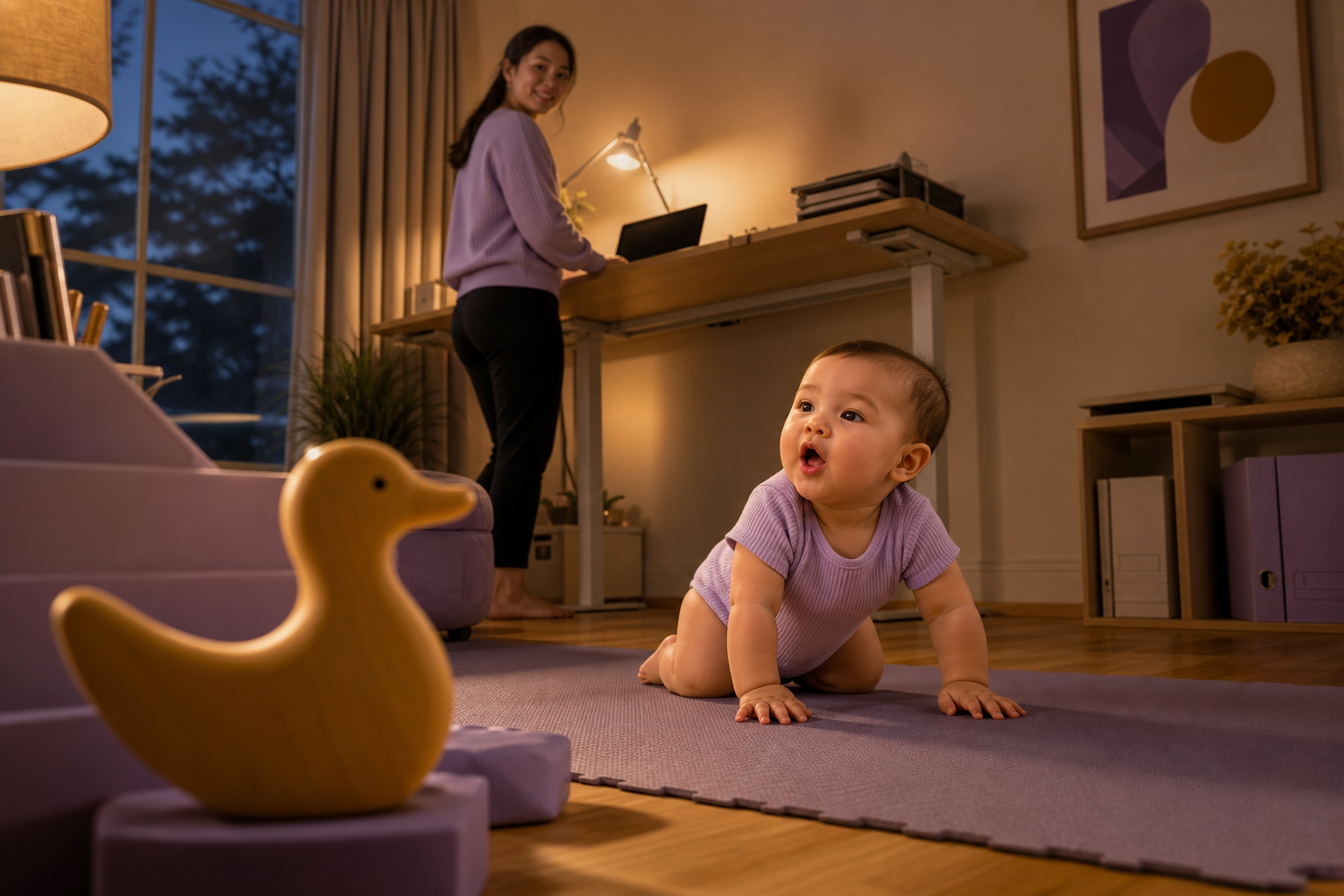
Have you noticed that your baby makes noises that oddly resemble a duck’s quack? Don’t worry, you’re not alone. Many parents marvel at the array of sounds their baby makes. In this post, we’ll delve into why your ‘baby makes duck noises’ and how it’s a part of their normal development.
Why Does Your Baby Make Duck Noises?
Here are a few common reasons why your baby might be making noises similar to a duck:
- Experimenting with Sounds: As babies begin to explore their vocal abilities, they make a variety of sounds. Duck-like noises are just part of this vocal exploration.
- Developing Vocal Cords and Respiratory System: As your baby’s vocal cords and lungs develop, they can produce an array of sounds, some of which might resemble a duck.
- Expressing Emotions and Needs: Before babies can talk, they use sounds to communicate their needs and emotions. Duck-like sounds could be an expression of anything from curiosity to discomfort.
What To Do When Your Baby Makes Duck Noises
If you notice that your ‘baby makes duck noises’, here’s how you can respond:
- Observe: Note when and how your baby makes these sounds. Understanding their patterns can help you decode what they are trying to communicate.
- Engage: Respond to your baby when they make these noises. This interaction encourages their communication efforts and reassures them.
- Consult a Pediatrician: If these noises are frequently accompanied by signs of discomfort or breathing difficulties, consult your pediatrician to rule out any potential health concerns.
Gasping Sounds Despite Normal Breathing
Occasionally, your baby may make gasping sounds, yet appear to be breathing fine. This can be due to them experimenting with their vocal abilities, including making duck-like noises. However, if you notice these sounds becoming frequent or accompanied by signs of distress, consult with a healthcare professional to rule out any potential respiratory issues.
Baby’s Squeaking Noises While Sleeping
If your baby is making squeaking noises while sleeping that may resemble a duck’s quack, it’s generally nothing to worry about. Babies often make a variety of noises during sleep, which is a part of their normal sleep behavior. However, persistent, loud squeaking might warrant a check-up to rule out sleep-related issues.
Does Your Baby Sound Like a Squeaky Toy?
Often, the sounds a baby makes can resemble a squeaky toy or a duck. These cute noises are simply a part of their vocal exploration and development.
Understanding Laryngomalacia
Laryngomalacia is a condition that occurs when the tissue above the vocal cords is floppy, causing it to fall into the airway when a baby inhales. It can sometimes cause your baby’s sounds to resemble a duck’s quack. If you suspect laryngomalacia, particularly if your baby has difficulty feeding or shows signs of labored breathing, seek medical attention immediately.
Laryngomalacia Sounds During Feeding
If your baby has laryngomalacia, they might make duck-like or high-pitched noises while feeding. This is due to the floppy tissue above their vocal cords. Prompt medical consultation is advised to manage this condition effectively.
Baby’s High-Pitched Gasping Noise
Babies might sometimes make high-pitched gasping noises, which could sound like a duck. If these noises don’t accompany distress signs, they’re typically a part of your baby’s sound exploration. However, consistent, high-pitched gasping should be evaluated by a healthcare professional.
Squeaking Noises After Feeding
It’s not uncommon for babies to make squeaking or duck-like noises after feeding. This could be due to swallowed air. If the noises are consistent or followed by discomfort, consider seeking medical advice to rule out digestive problems.
High-Pitched Noises When Excited
Excitement can cause your baby to make a variety of noises, including high-pitched or duck-like sounds. This is simply their way of expressing joy and excitement before they can use words.
How SleepBaby.org Can Help
If your ‘baby makes duck noises’ particularly during their sleep, SleepBaby.org is an invaluable resource.
SleepBaby.org provides expert advice on baby sleep-related topics, including understanding the various sounds your baby may make while sleeping. This helps you differentiate between what’s normal and when it’s time to seek professional help, ensuring your little one gets the peaceful sleep they need.
In Conclusion
While it might be intriguing when your baby makes duck-like noises, it’s usually a normal part of their development. However, any consistent or distressing noises should not be ignored. Use resources like SleepBaby.org and don’t hesitate to consult a healthcare professional when in doubt.






What viewers said10 comments · 4 replies+
Archived comments from the original Baby Sleep Miracle presentation. Not independently verified by SleepBaby.org; individual experiences vary.
Thank you so much for this video! I had no idea about the dangers of baby swings :O
Hi Mary-Ann. I have a question: Is method in any way similar to the ones recommended by Dr Bucknam, Dr. Weissbluth or Dr. Karp? We tried those but none of them help.
Hi Regina, thank you for your question. The short answer is no. The techniques I share in my guide are based on newest scientific research and this is why I have never seen any approach similar to the one I recommend.
This method really works! I tried it on my son Jesus and after just one week he went from waking up more than 5 times a night to waking up just once or twice. You are a lifesaver, Mary-Ann!
I'm truly impressed with how much information you share in your video. And all for free! I can feel that you truly care about mothers like myself, and that's hard to find these days. I have recommended your site to several of my friends already.
Mary-Ann, our child suffers from autism. Is your approach still suited?
Chloe, I made sure my method can be used with any child, even babies who are special like yours. Please note that I'm not a doctor and that I always advice to consult with your physician because nothing is more important than the safety and well-being of your love.
Hallo Mary-Ann, I'm from Germany. Do you have your guide in German?
Hello Heide, we do! Normally you should already see our video in German. If not, please contact our support so they can guide you
Thenk you for your answer, Mary-Ann!
I just completed your approach and I have to say, it worked almost too well. Yes, it took a bit of getting used to with your bedtime routine but the difference is huge. My son George used to take 1 hours to go down and now he's firmly asleep in no more than 10 minutes! You're the best!
It seems I'm the only man watching this video, lol! What you shared about the 'emotional backpack' made immediate sense to me and I can't wait to help my little girl Mila to unpack it!
Hey there, just discovered your site and this really sounds different. Just wanted to say thanks for sharing :)
For everyone who's still thinking about getting Mary-Ann's guide I want to advise you to go ahead. I wasn't sure myself but now I'm so thankful I invested in this program. It made a huge difference in our life as a family and yes, my baby girl does sleep through the night now.